BMW imported the R 1300 GS Adventure months ago. We attended the unveiling at BMW Motorrad Fourways and took the bike for a brief ride up and down the urban roads around the dealership. We tried to arrange a proper test ride a week or so later, but sadly the bikes were not available for media use at the time.
Fast-forward almost a year, and voilà! An almost-new Adventure is delivered to us. We got to keep it for a full week and rode it as often as we could. Here are our thoughts…
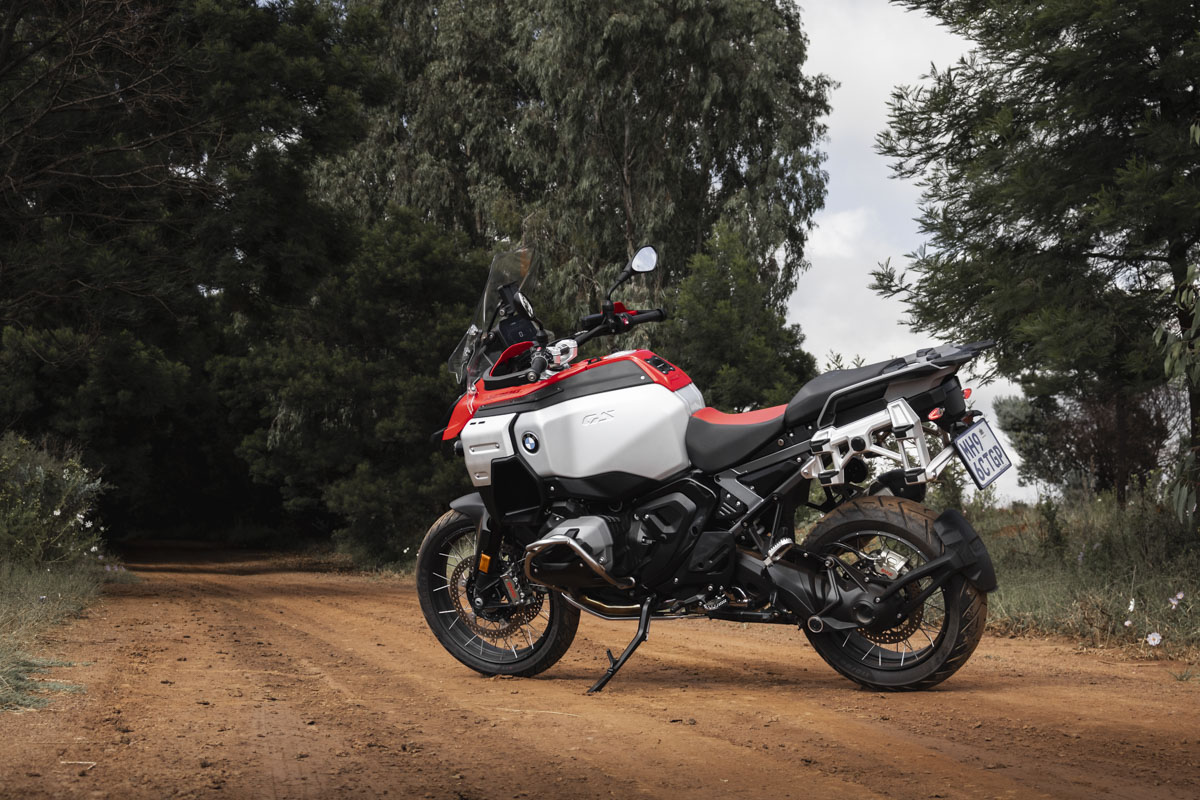
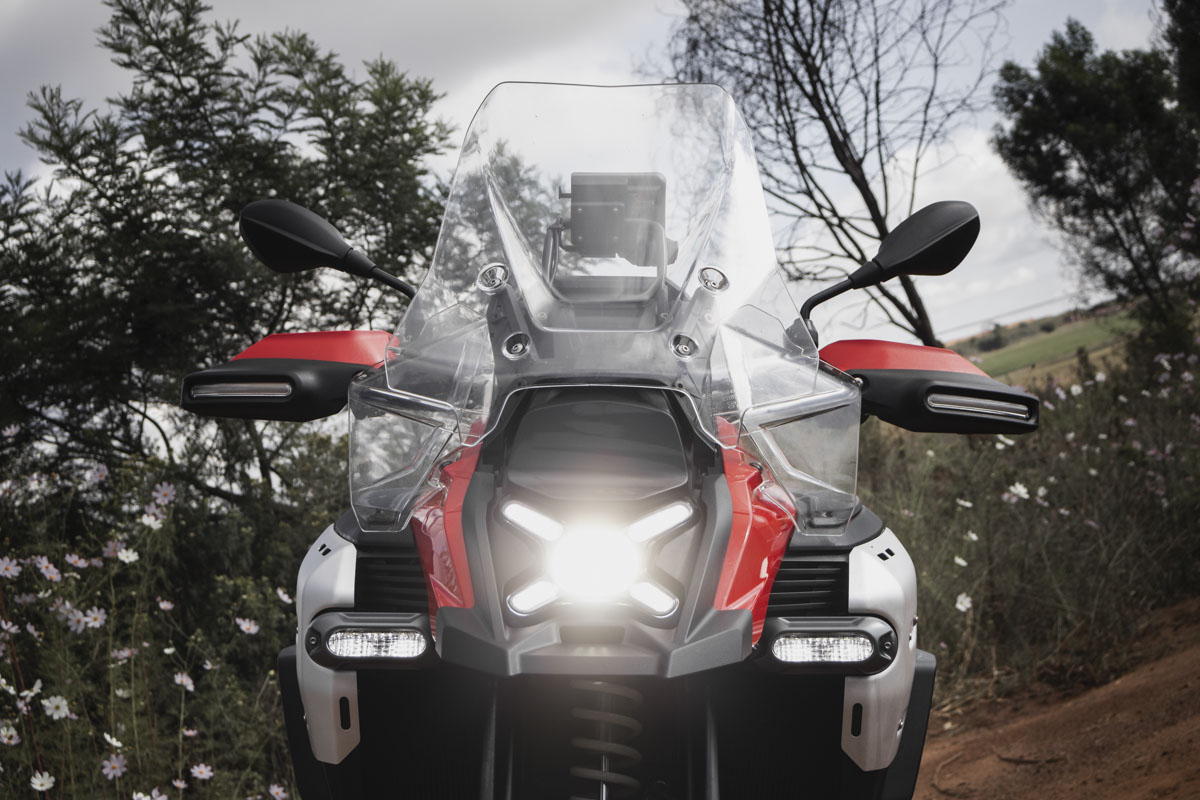
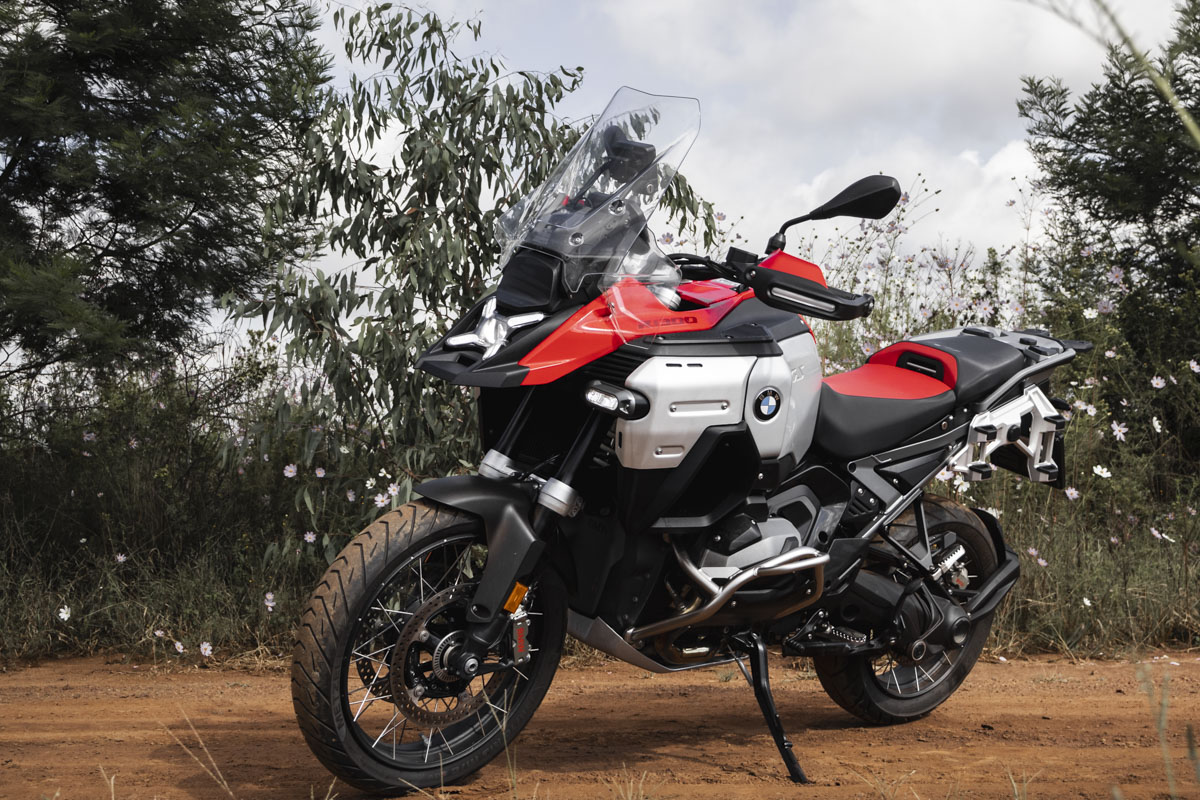
No bull – this thing is huge!
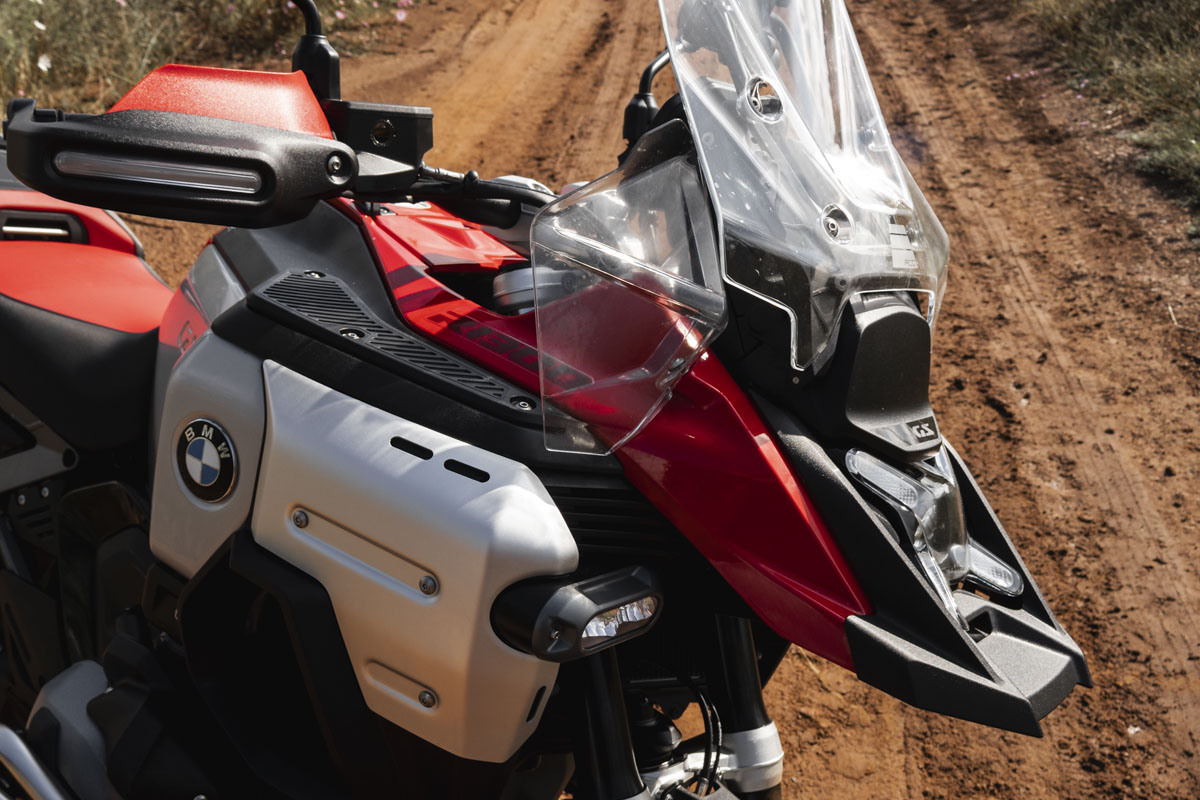
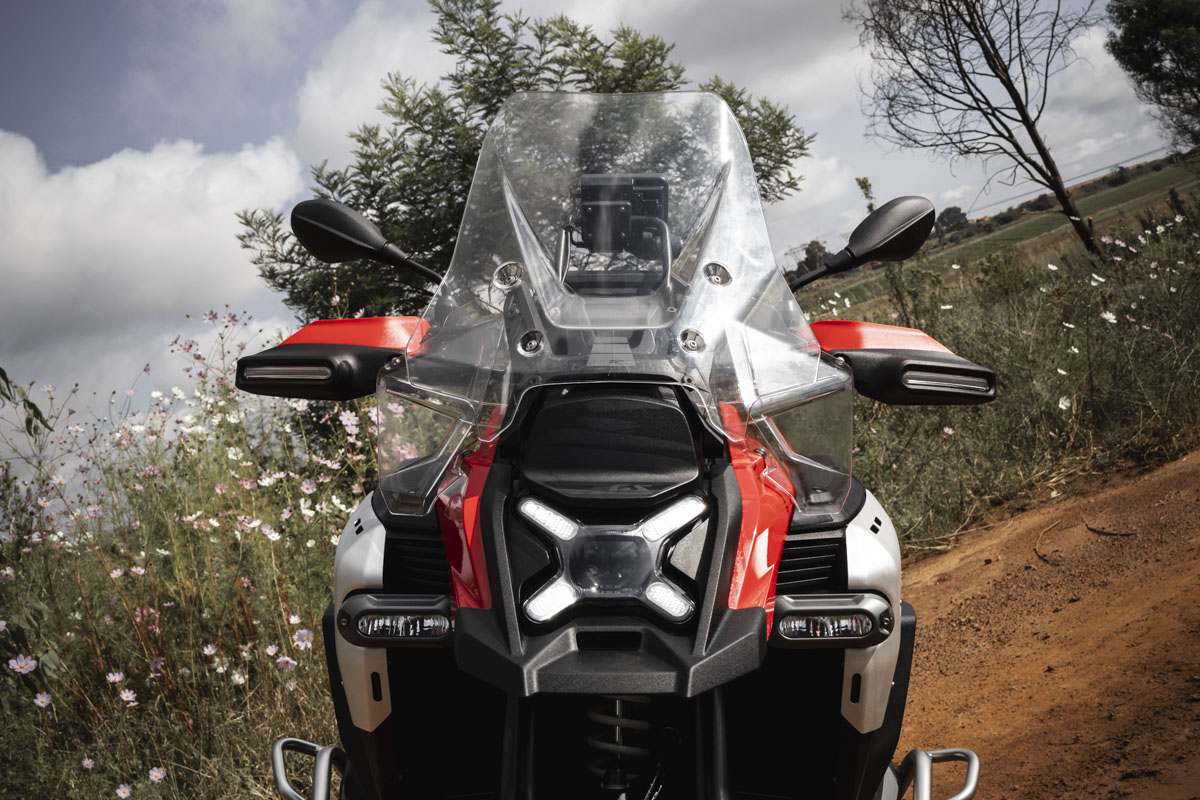
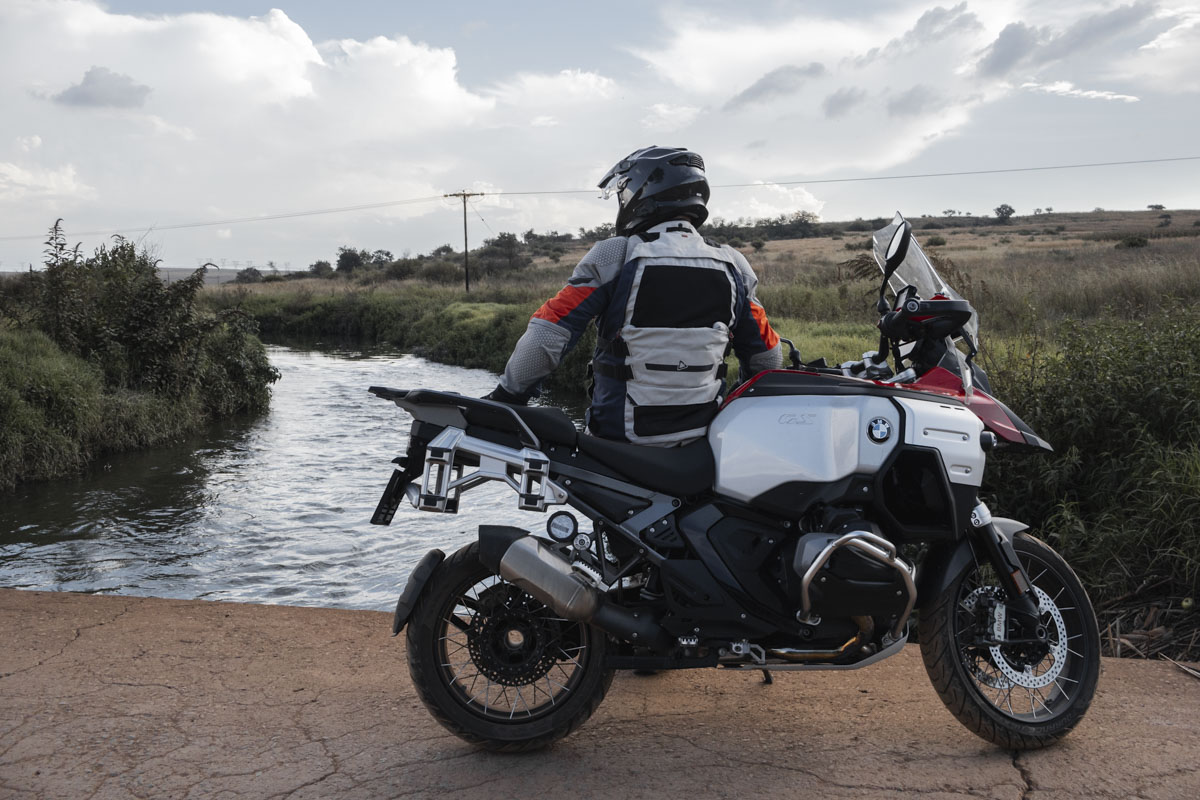
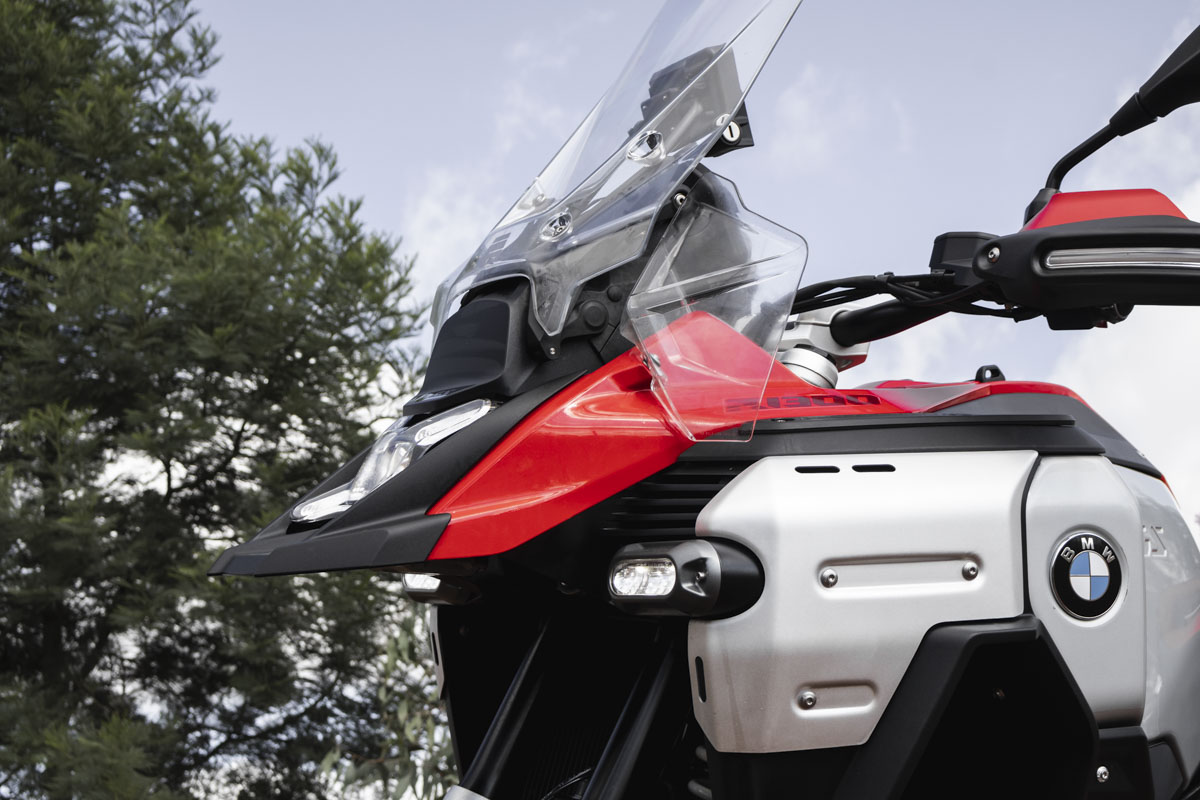
Insanely large. You have to ask the question: Where is all of this going? We understand that a big tourer needs a huge fuel tank, but this 30-litre monster is bigger than the one in our old V6 Cortina! At the unveiling, I remember chatting to a prospective buyer who actually chose the smaller standard GS over the Adventure because of its size. It’s pretty intimidating, there’s no denying it.
The standard R 1300 GS is the sportier, smaller, more road-biased version of the platform. The Adventure feels noticeably different and is much closer to the old 1250 in terms of stance, ergonomics, and overall feel.
The downside of such a big machine is muscling it around the garage. No problem! Eat your pap, go to the gym, and you’ll hopefully be fine.
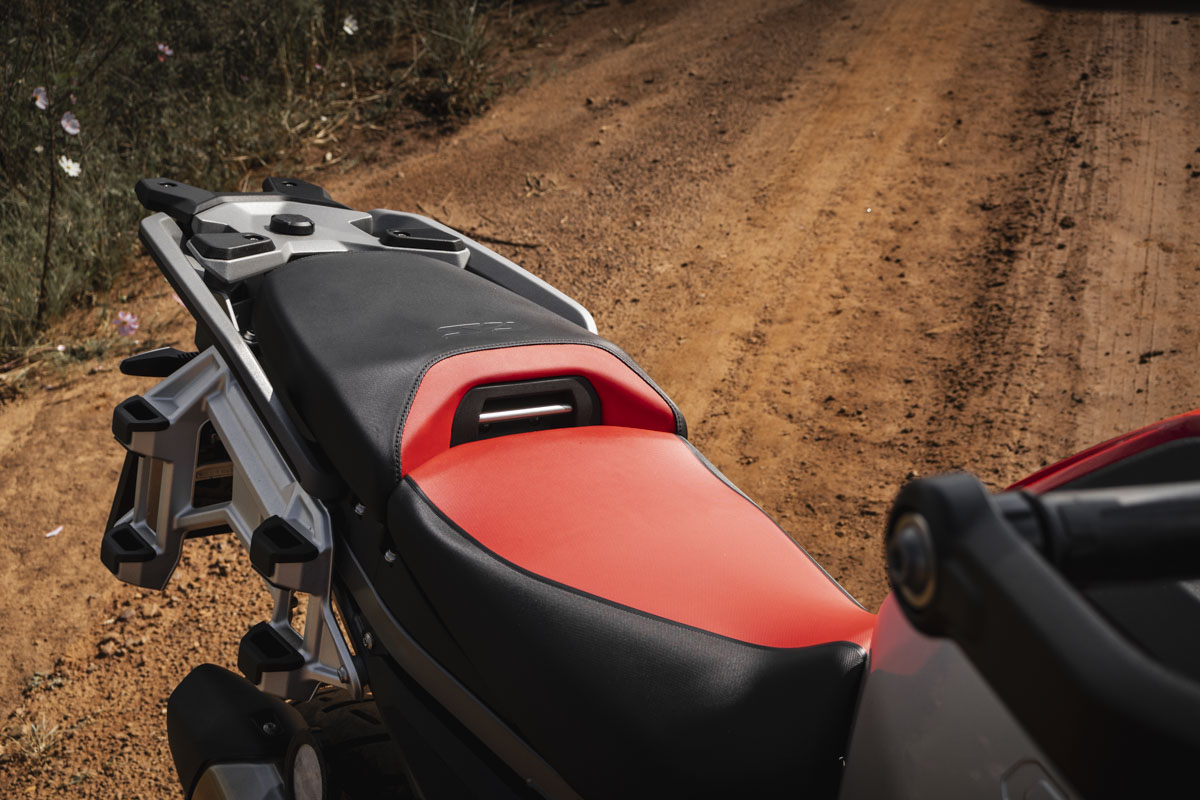
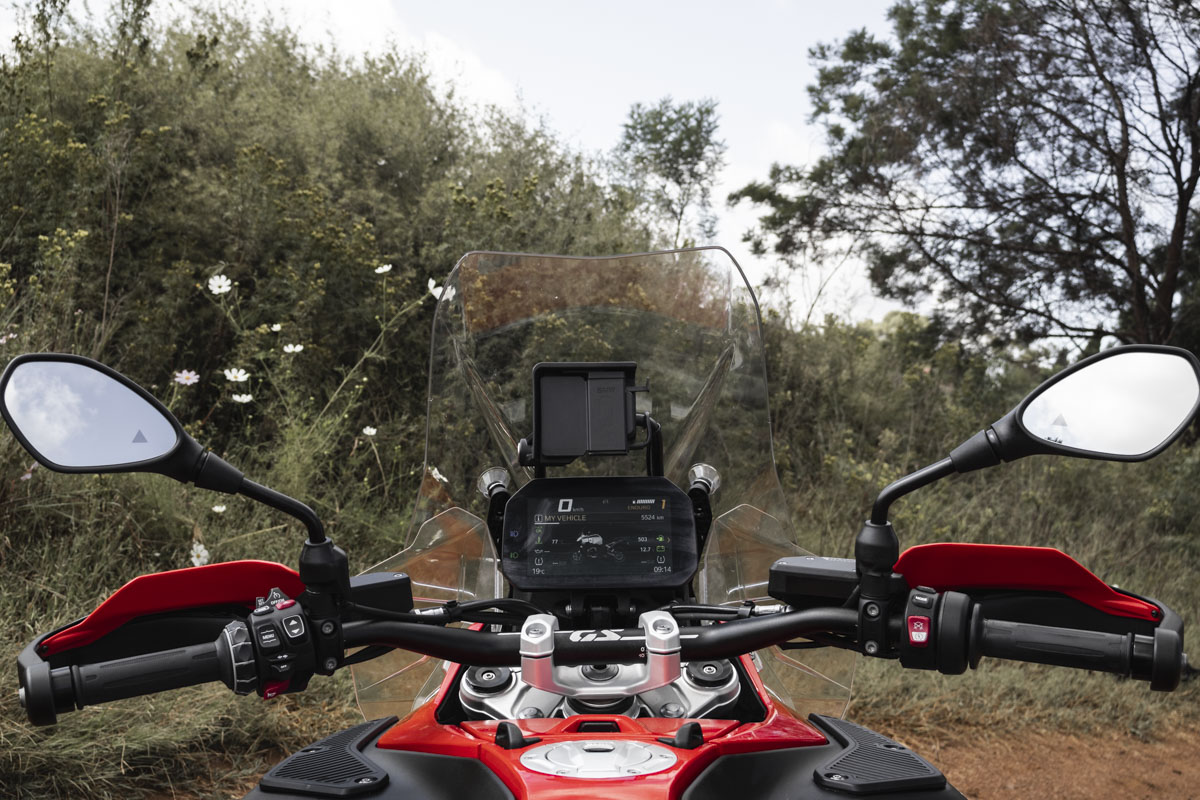
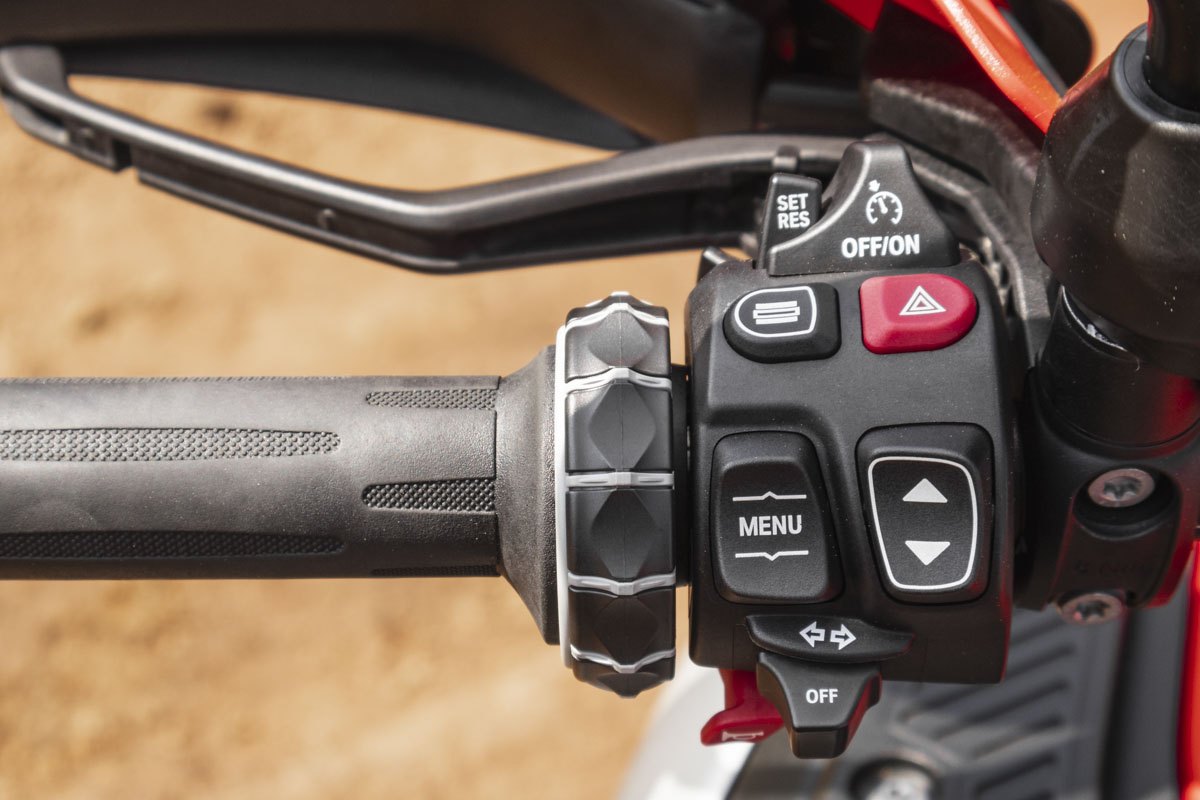
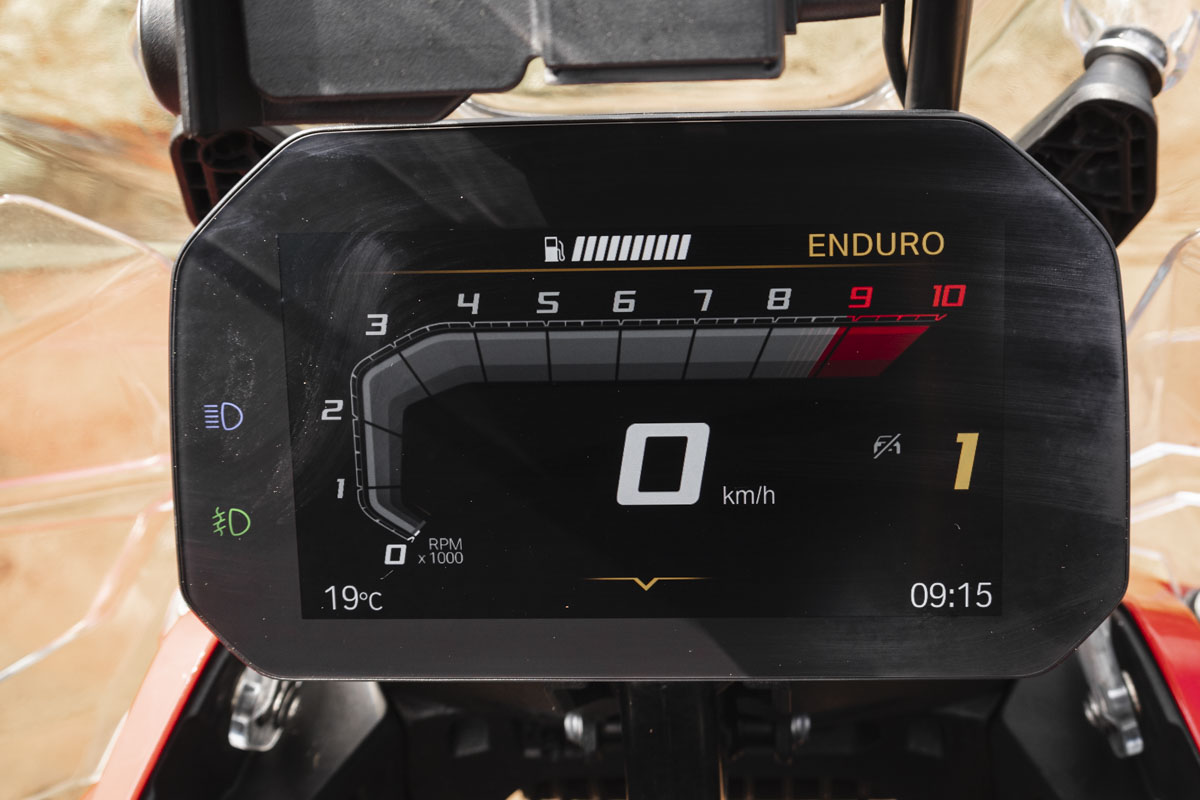
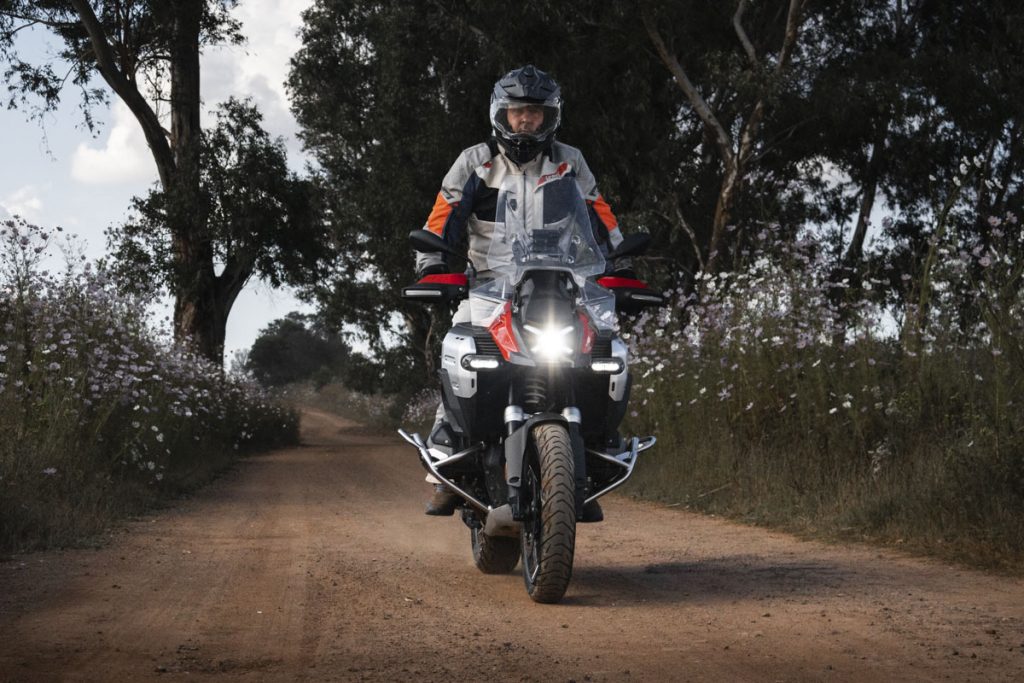
Climb aboard (and while you’re at it, throw in some push-ups and maybe a bit of yoga) and hit the starter button. The impressive, TV-sized dash immediately shows a fuel range in excess of 500 km. The riding position is roomy and comfortable, with wide, open bars, pegs, and a riding triangle that feels natural. The screen offers good wind protection and is easily adjustable via the left handlebar switches. The standard seat is comfy, tall, and wide — so tippy-toes were the order of the day. Twist the starter and that familiar Boxer rumble fills the garage. Click her into first and unleash the dogs of war…
Heading out from the garage in Bedfordview, we decided to take the long way around Johannesburg’s ring road — Roodepoort, Krugersdorp, Randburg, Sandton — stopping off here and there to greet a few dealers.
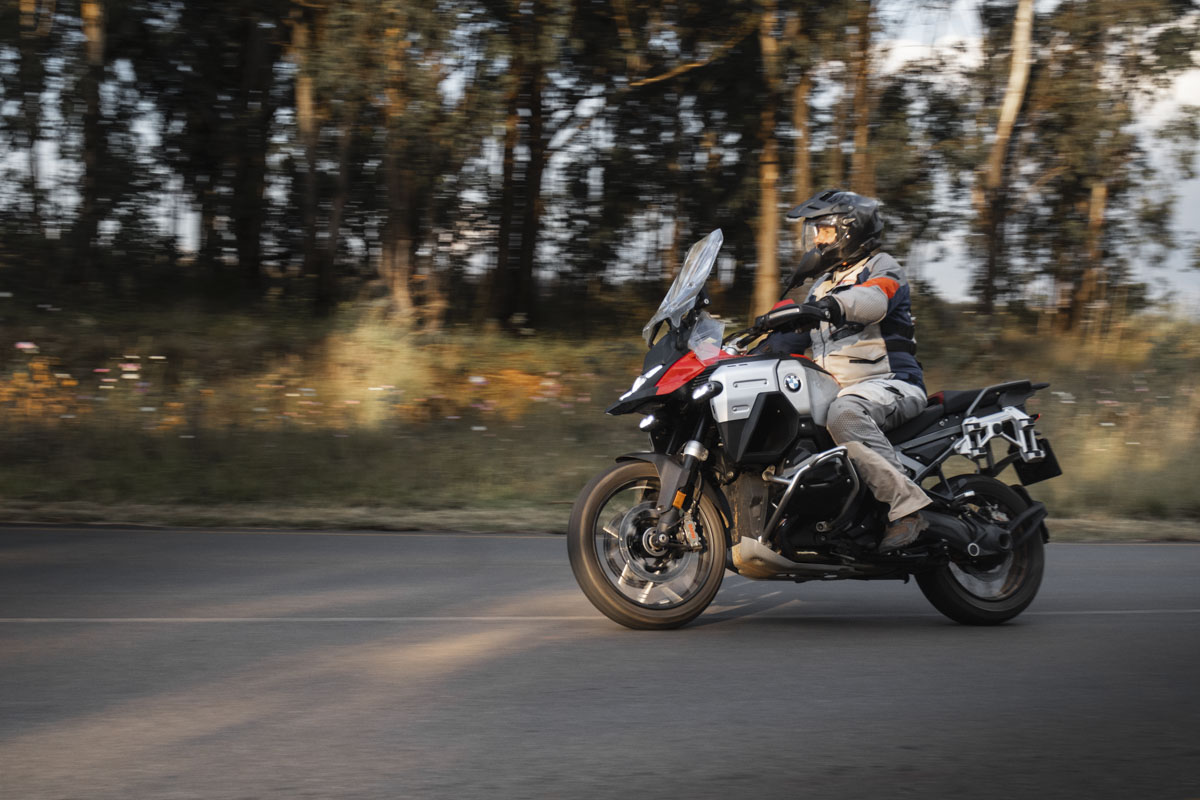
There’s something fascinating about BMW — shall we call it the “BMW effect”? As you ride along, cars seem to move aside in respect for this bike’s mighty presence. We must also confess (even if it sounds a bit cliché) that once she gets rolling, the bike’s inherent bigness seems to disappear.
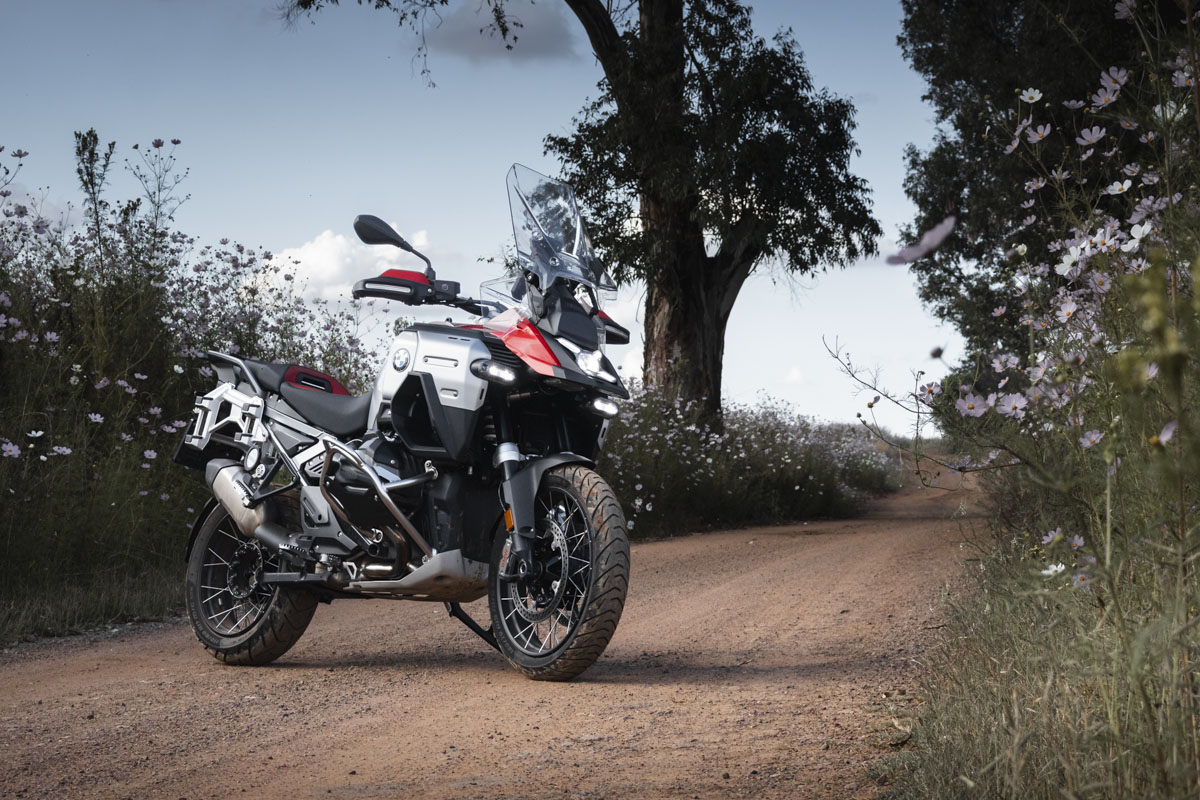
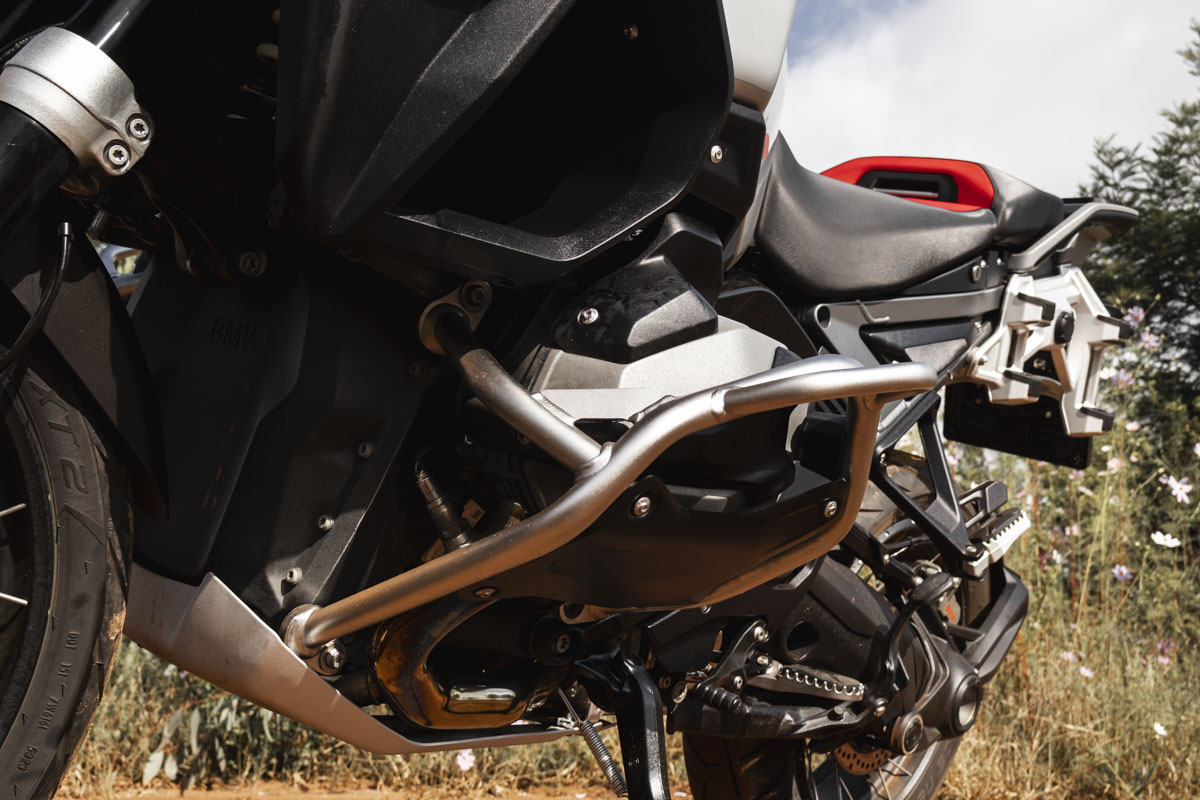
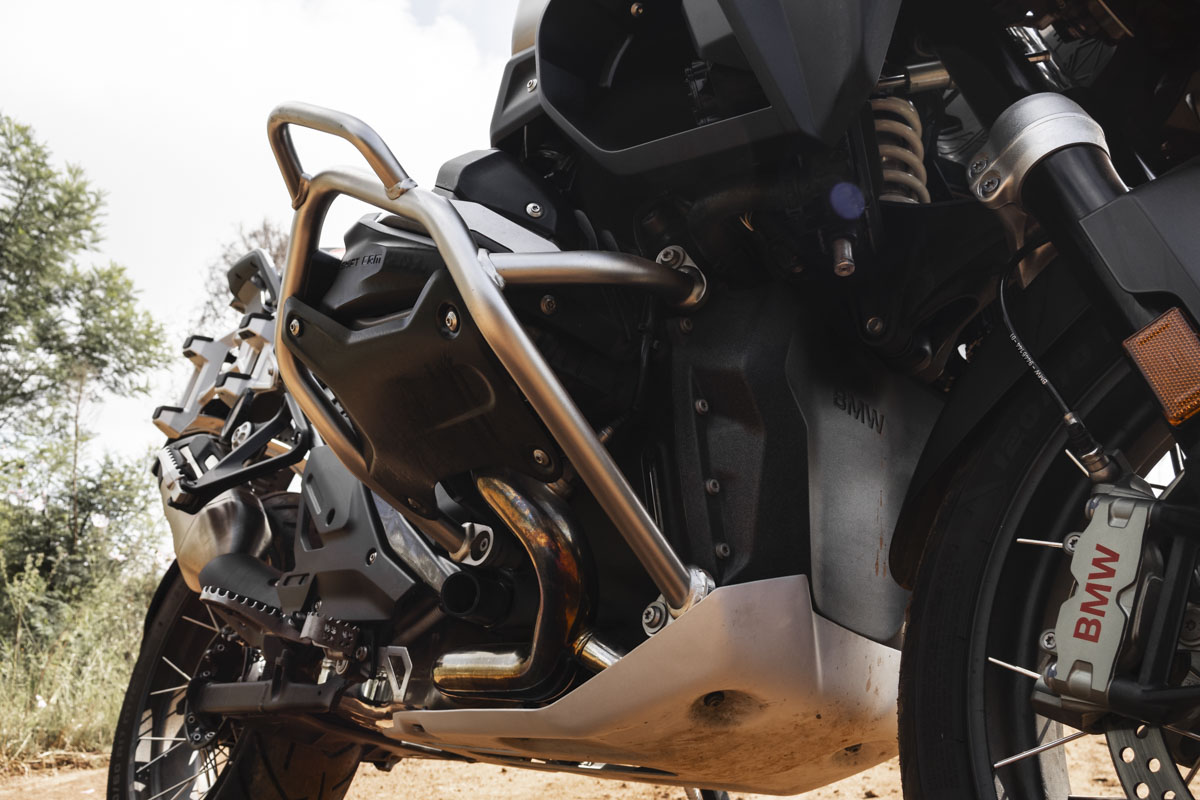
Of course, you’ll still keep a watchful eye on those wide crash bars that make the cylinders sit even further out — it wouldn’t be cool to leave a big GS scrape down the side of someone’s new M3…
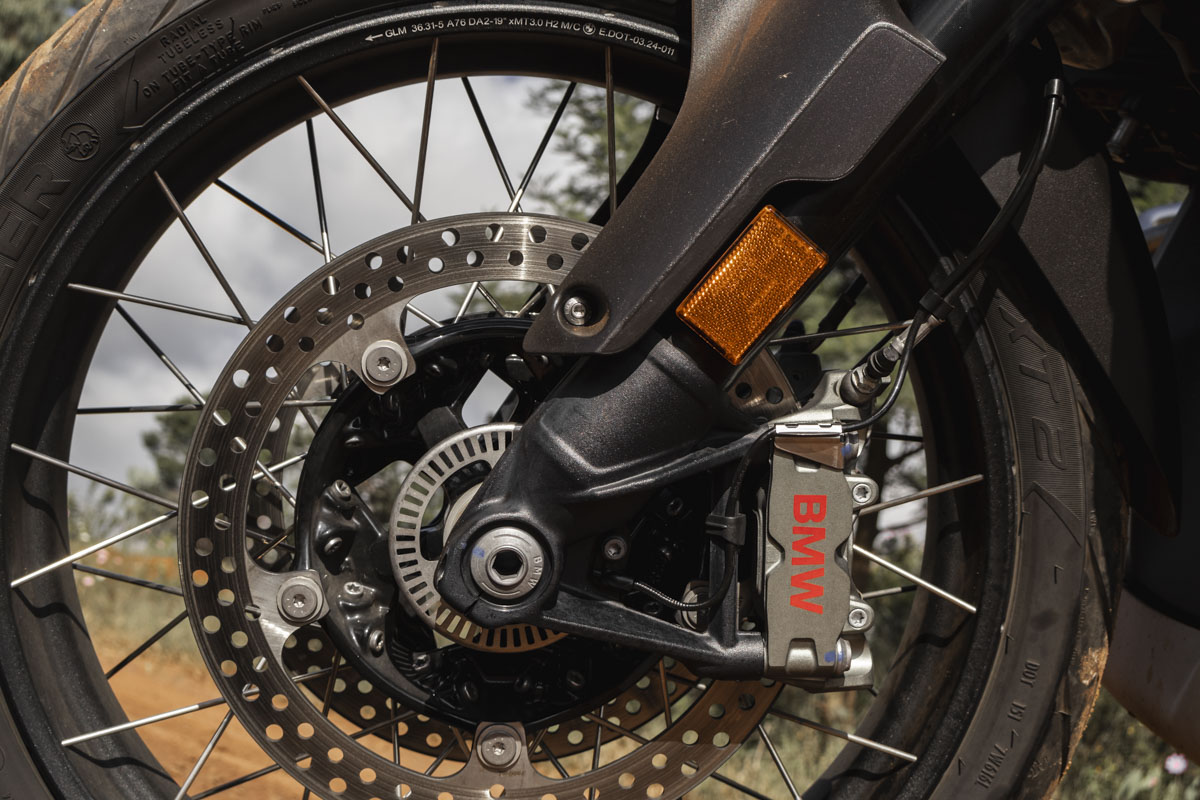
Power, handling, brakes, and suspension all work in perfect harmony on the road. You feel ensconced in a little bubble of invincibility.
By now, we’re starting to understand the whole BMW Adventure philosophy: Do distance in comfort. There are few bikes that can hold a candle to this Big Bertha in the long-haul stakes. Set off on a big Trans-Karoo expedition and you’ll arrive feeling as fresh as when you left. There’s very little that can beat that great big, meaty 1300cc flat-twin…
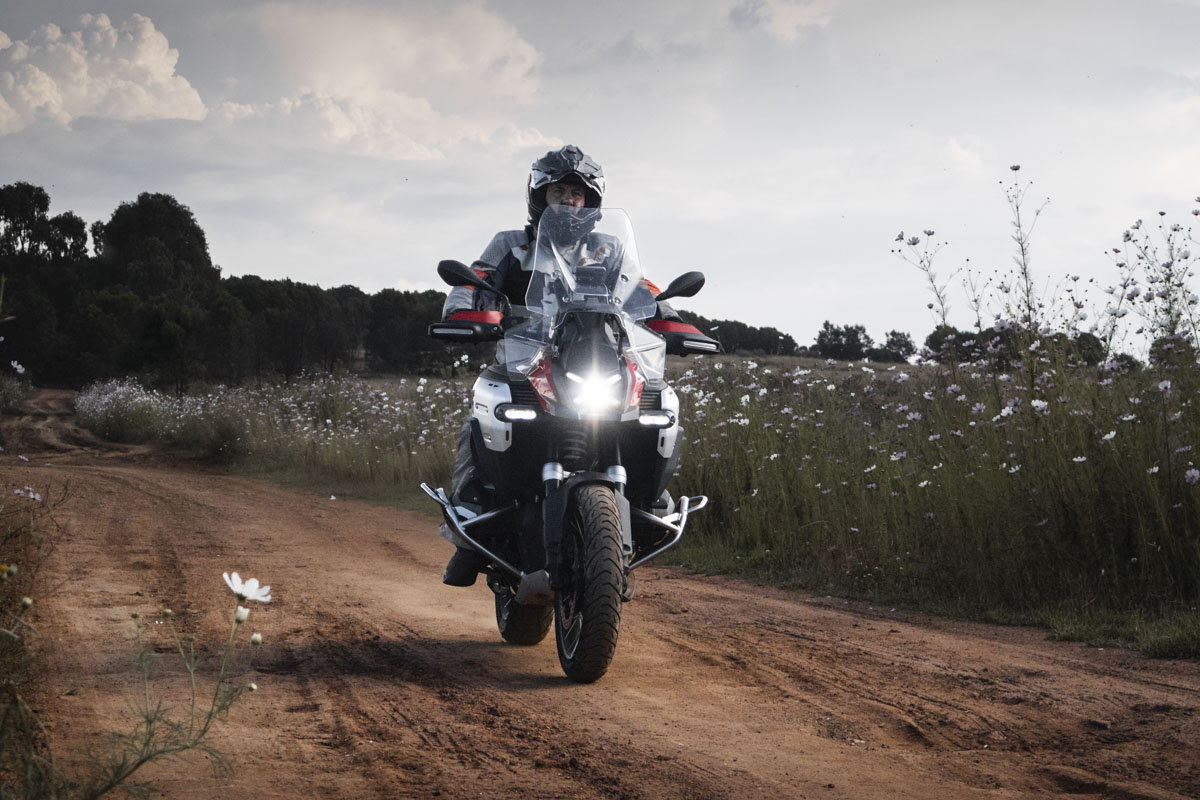
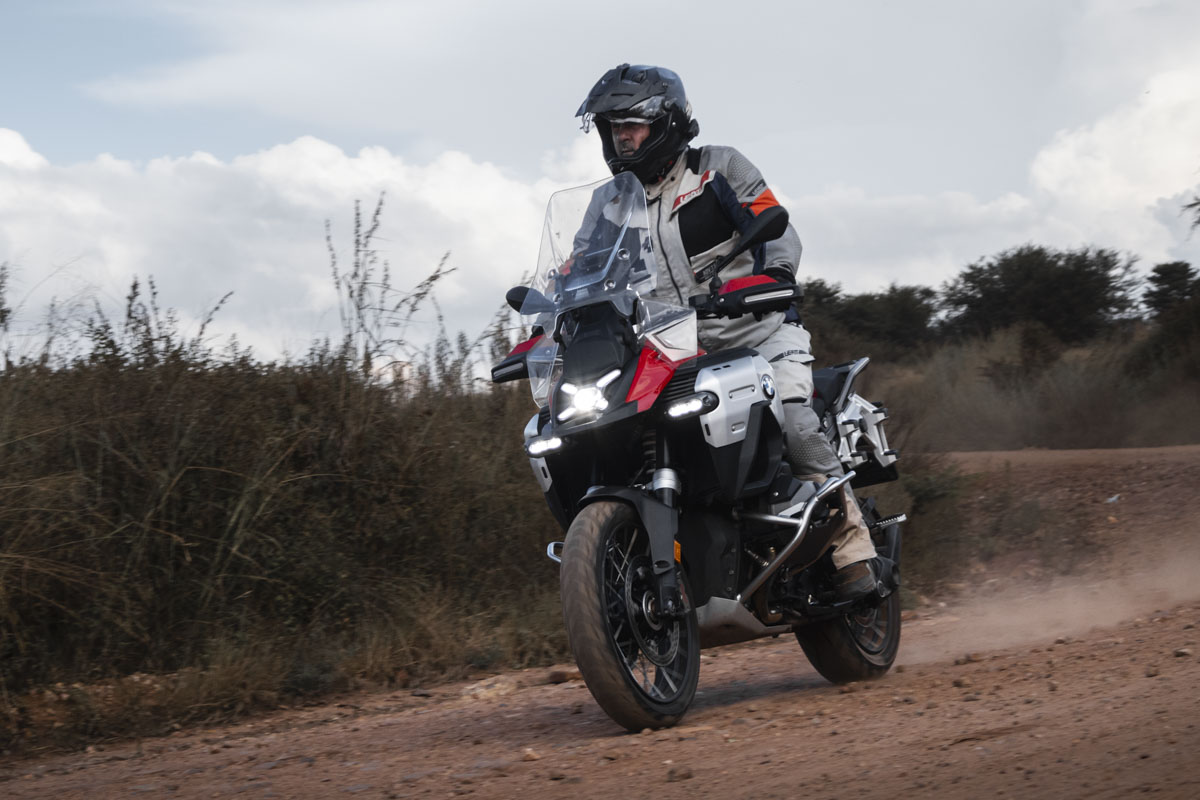
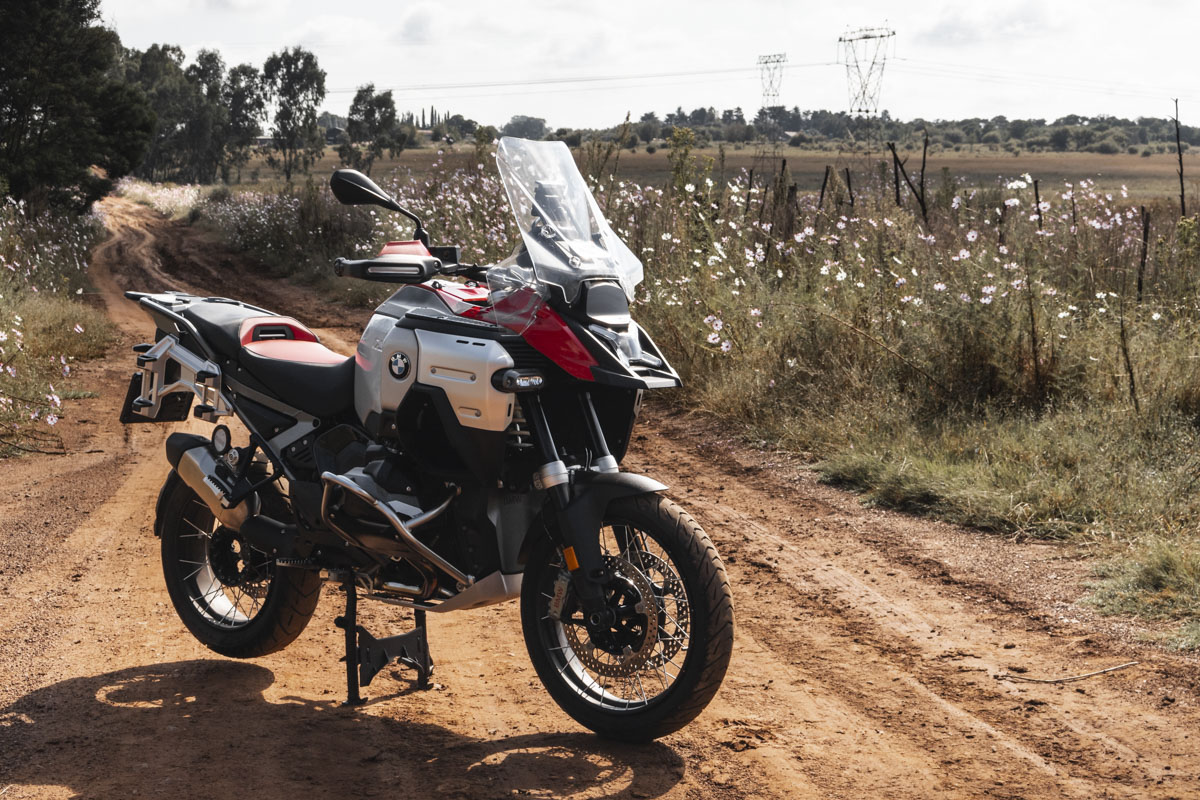
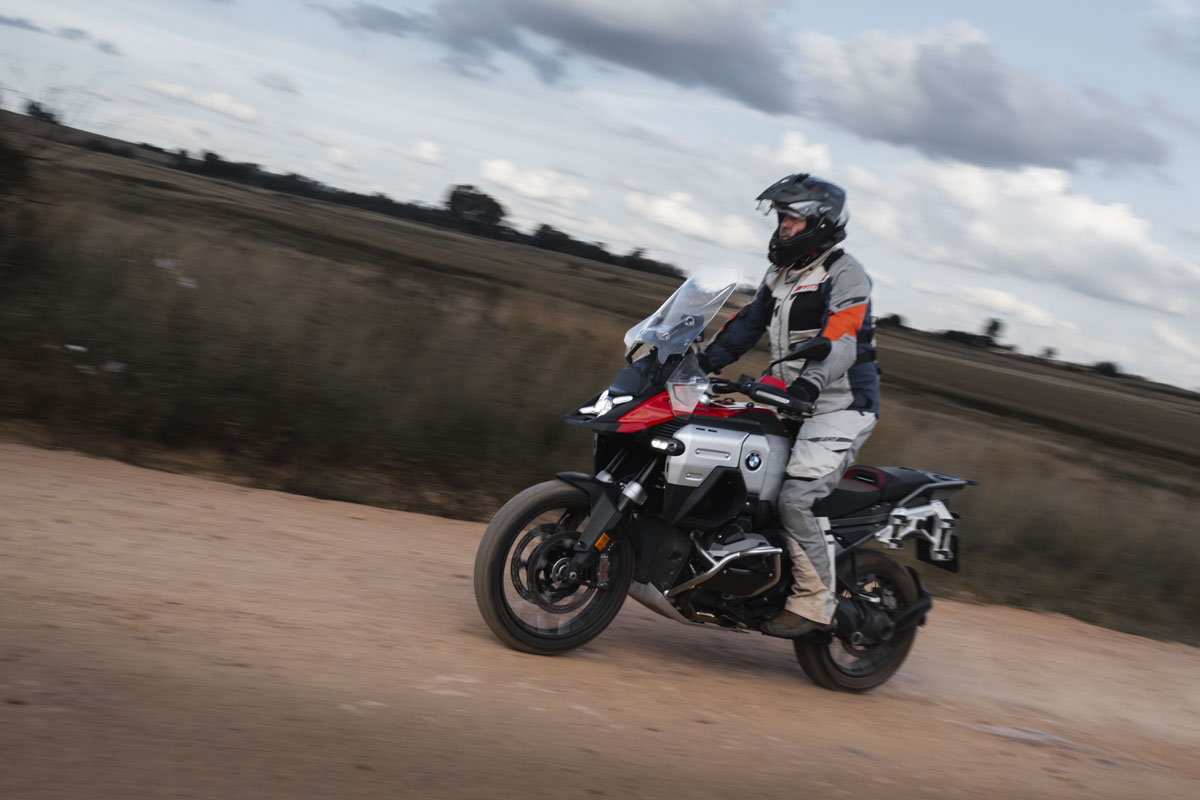
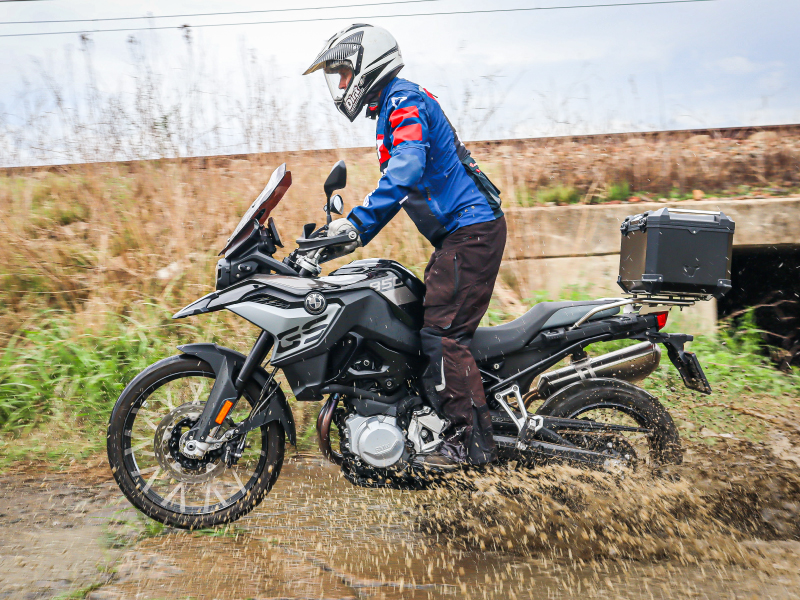
BMW has built a strong reputation for GS off-road capability. As most people who know us are aware, we generally prefer smaller bikes for gravel and dirt, but the BMW marketing images of vast open spaces and “the road less travelled” are hard to resist. So we took her out for a long ride on some of the back roads and gravel trails near our base.
Each riding mode doesn’t just change power delivery — it reconfigures:
Throttle response
ABS behaviour
Traction control (DTC)
Engine braking (MSR)
Suspension settings
Switching modes makes a big difference off-road, especially on such a large, heavy motorcycle.
The modes you’ll use off-road:
Enduro (standard) This is the default dirt mode, optimised for off-road riding even with road tyres (this bike was fitted with more road-oriented rubber). It delivers a softer throttle response with more forgiving traction control. The ABS and electronics are tuned to allow some slip while still keeping things relatively safe. Excellent for gravel roads and hard-packed dirt.
Enduro Pro (only with the optional Riding Modes Pro package) This is the serious off-road mode, developed for knobby tyres and more aggressive riding. We didn’t have knobblies fitted, and besides, we’ll leave the proper enduro stuff to our smaller-capacity bikes, thank you.
However, Enduro Pro allows significantly more wheelspin, reduced traction control intervention, and reduced (or fully deactivated) ABS. It’s designed for sand, mud, loose rocks, and steeper climbs/descents where you actually want to steer with the rear wheel.
Given the cost of this bike and the road-biased tyres it was fitted with, we decided that some rutted gravel was more than enough for this test.
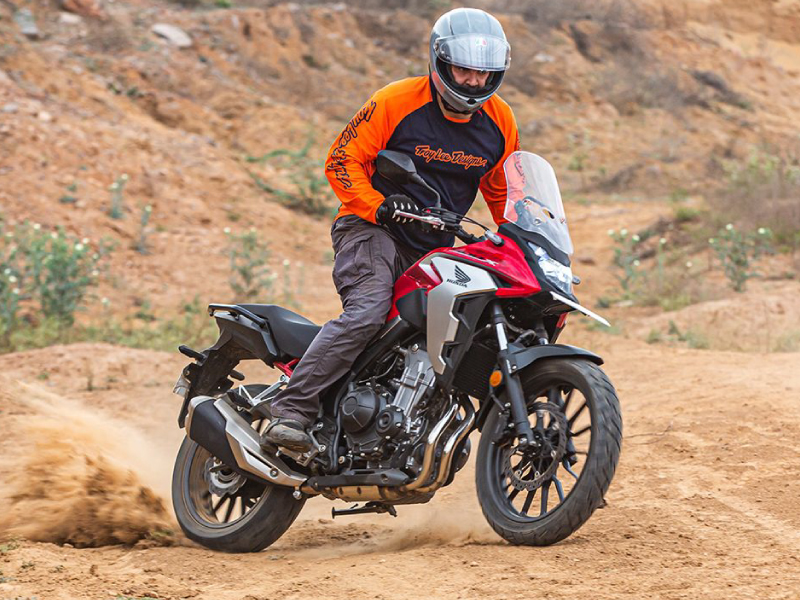
We’ll be honest from the start: A bike of this size is not our personal favourite thing to ride in the dirt. That said…
The latest BMW R1300GS Adventure is astonishingly good off-road. It honestly shouldn’t be able to do what it does.
It’s all about managing rolling mass. Consider this: You’re flinging around a bike that weighs 269 kg, sometimes through mud.. Add a solid South African rider (let’s conservatively say 100 kg) and you’re moving roughly 370 kg. And that’s without a passenger or any luggage.
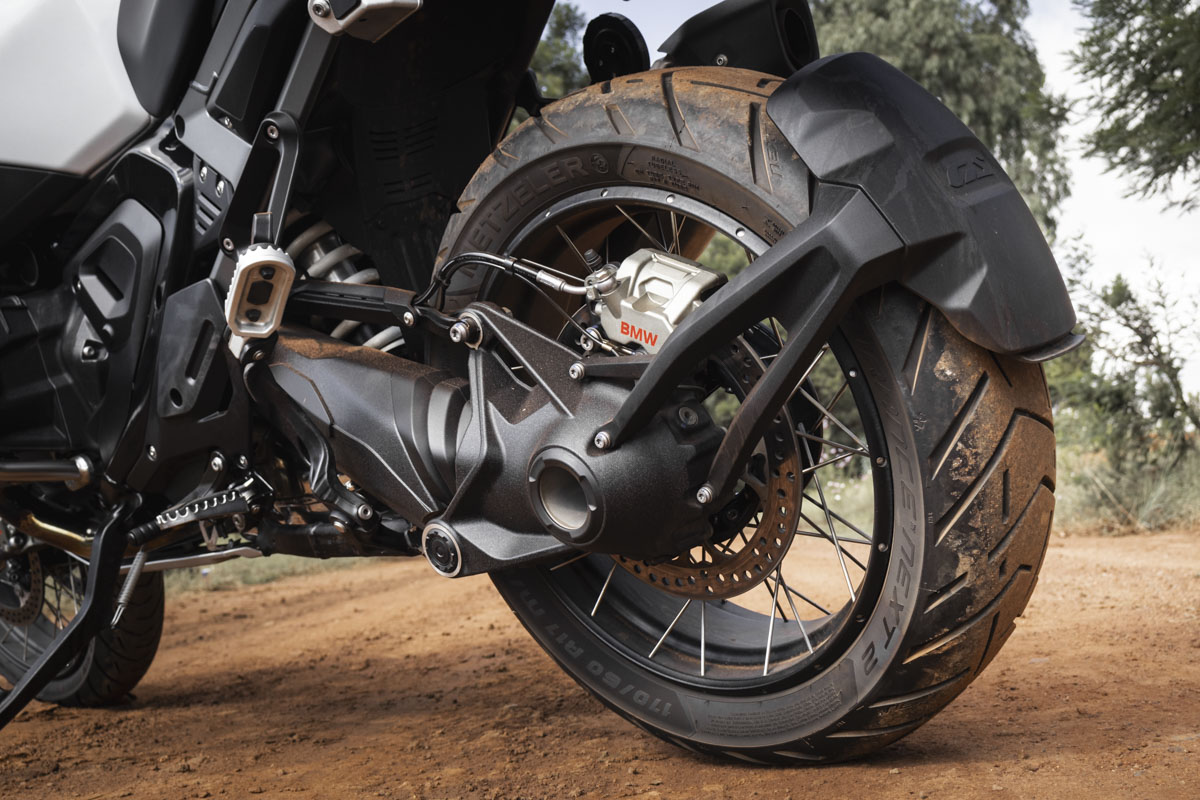
The updated long-travel Telelever and Paralever setup works absolute magic, transforming more than 270 kg of metal into a machine that can be ridden as gently or as aggressively as your mood demands.
We have to say the big GS never flinched. Not once. There were no “Ooooh gats” moments — just poised, surprising grace (as graceful as a bike this big can be, anyway).
We came away genuinely astonished, talking about balance and centre of gravity — topics that are way above our pay grade.
Your GS can be customised with an eye-watering collection of accessories, from chunky hard cases to Adaptive Height Control, which lowers the entire machine at a standstill for easier access.