Every now and then a motorcycle comes along that makes you wonder what the engineers were smoking when they designed it. Then you realise they were actually pretty damn clever.
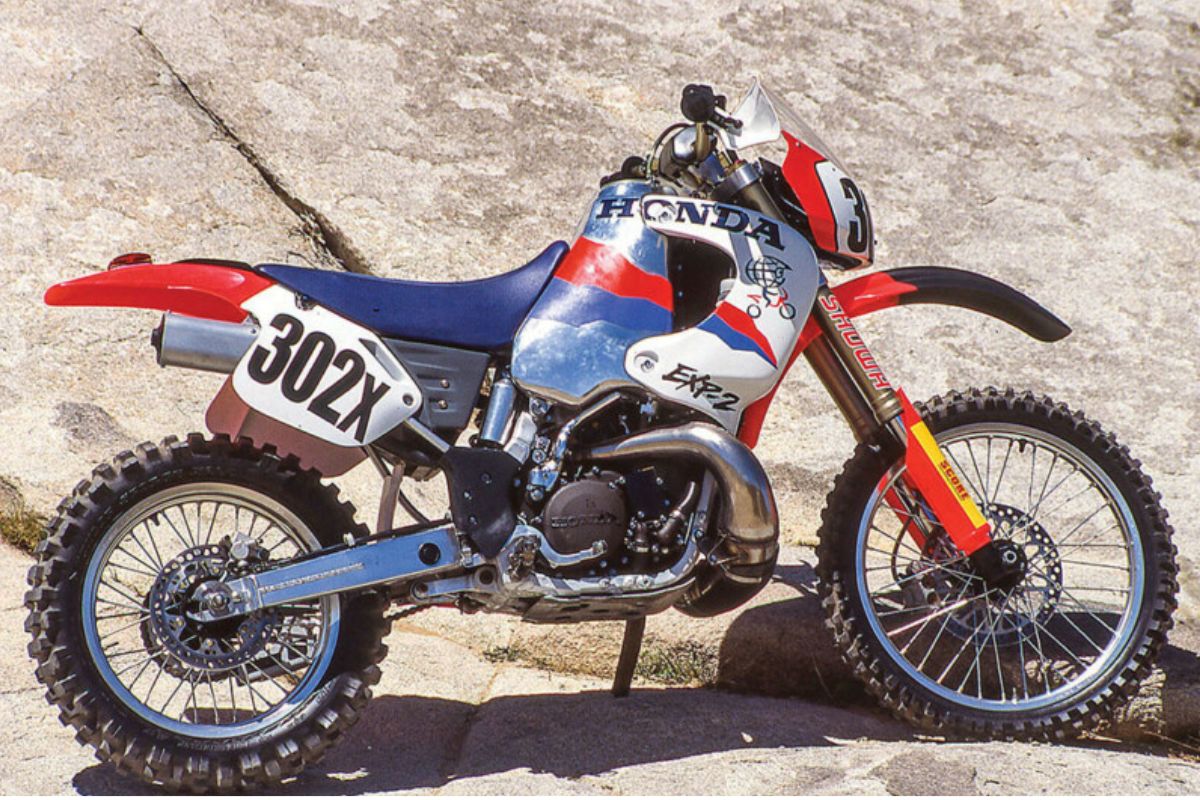
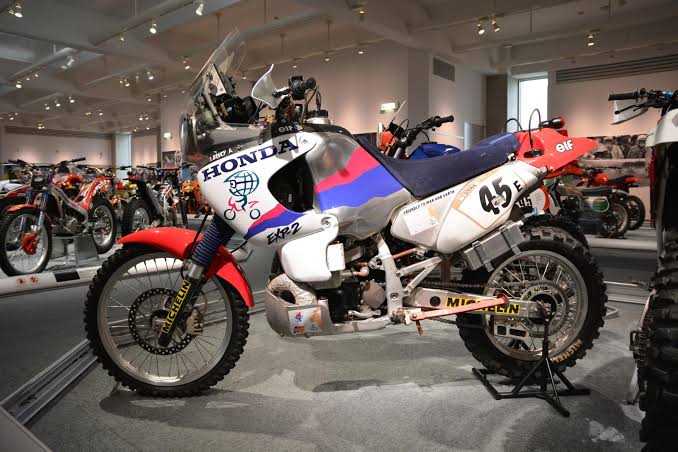
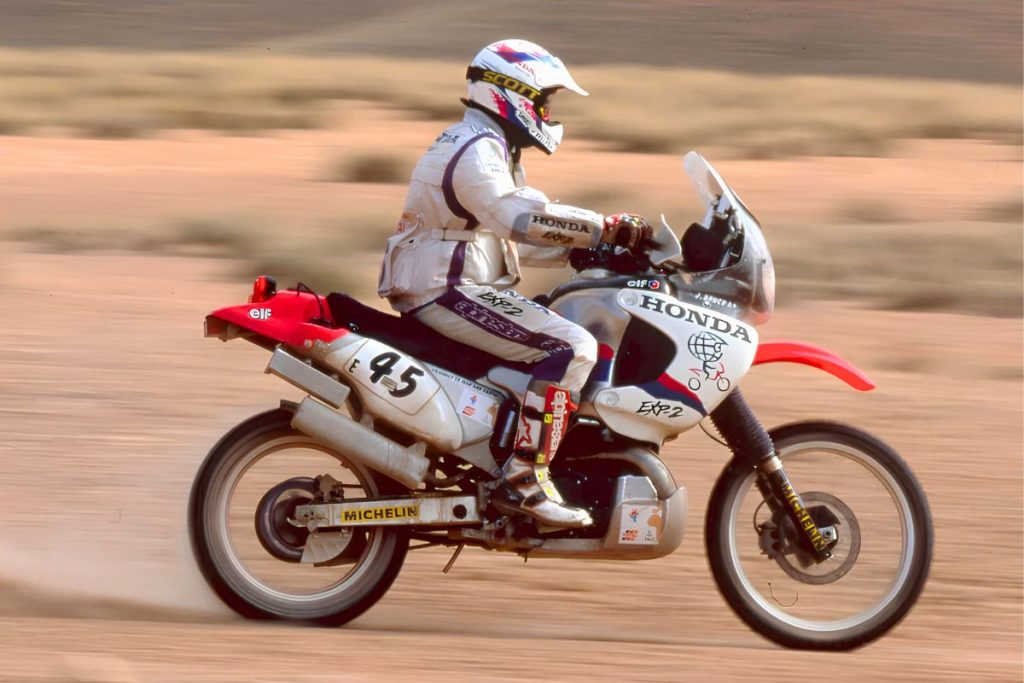
Meet the Honda EXP-2.
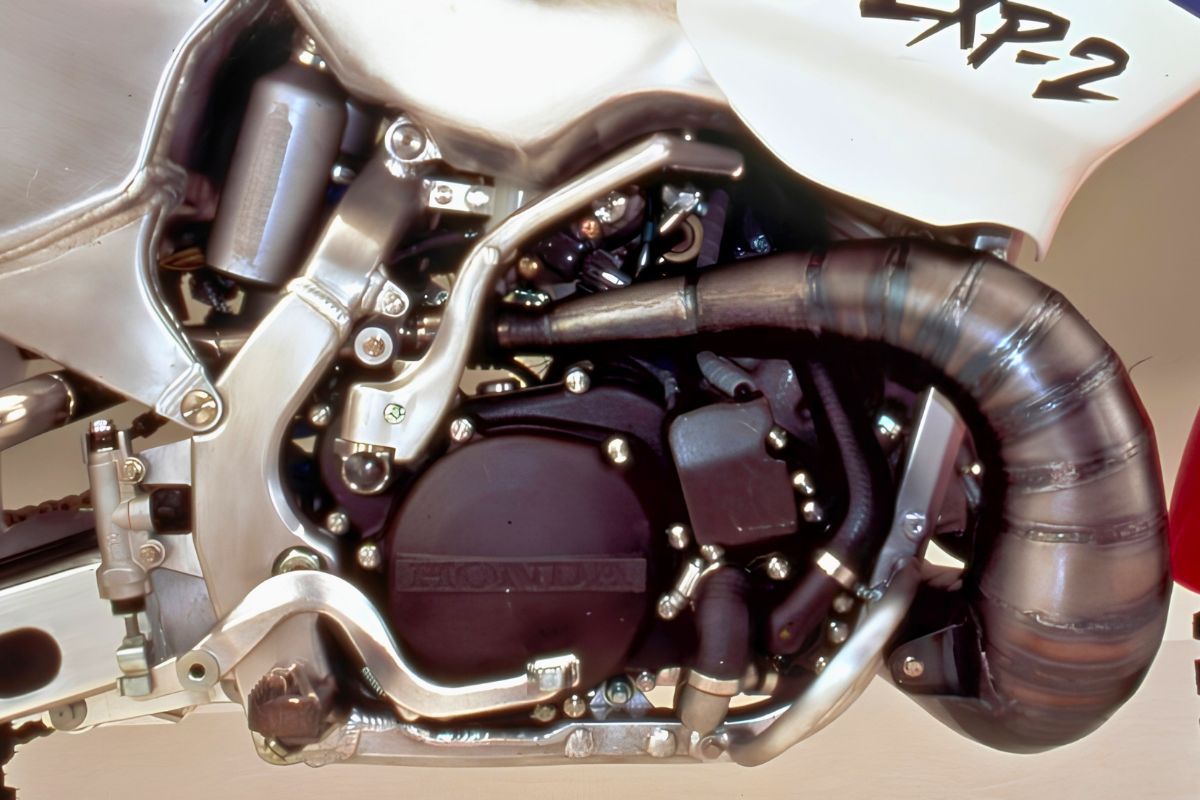
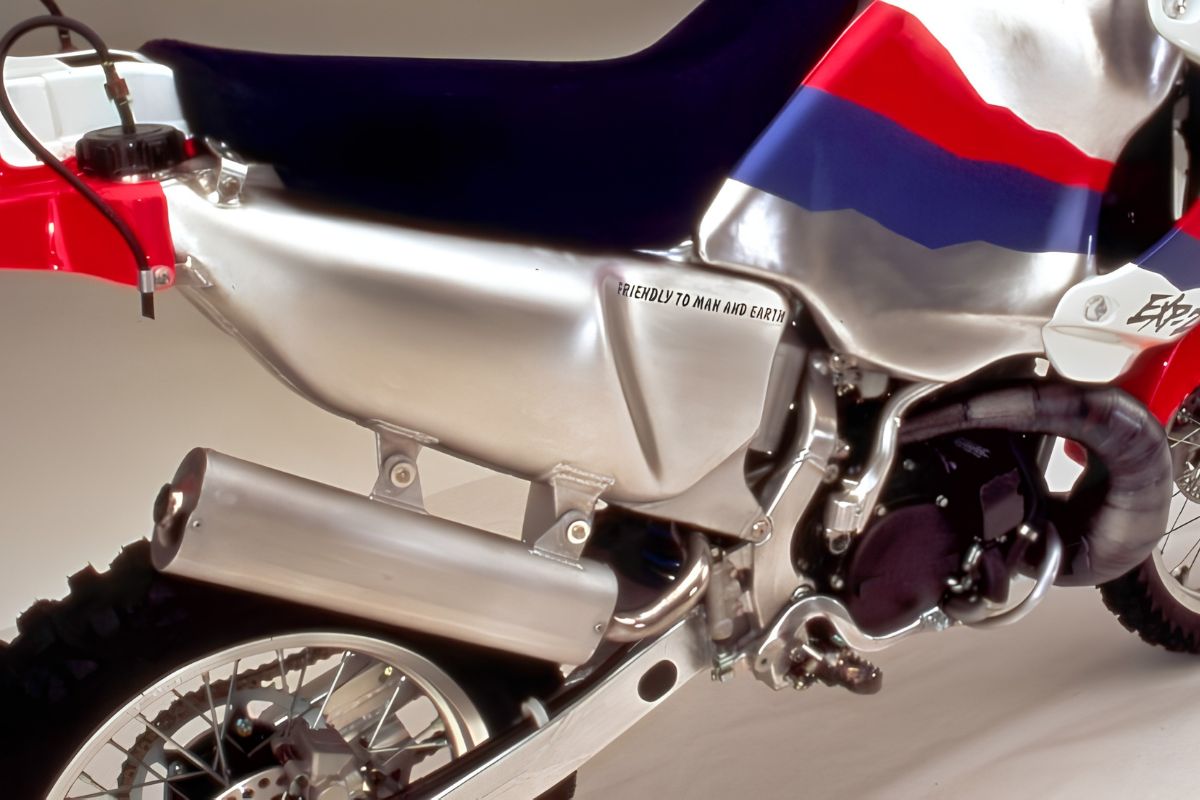
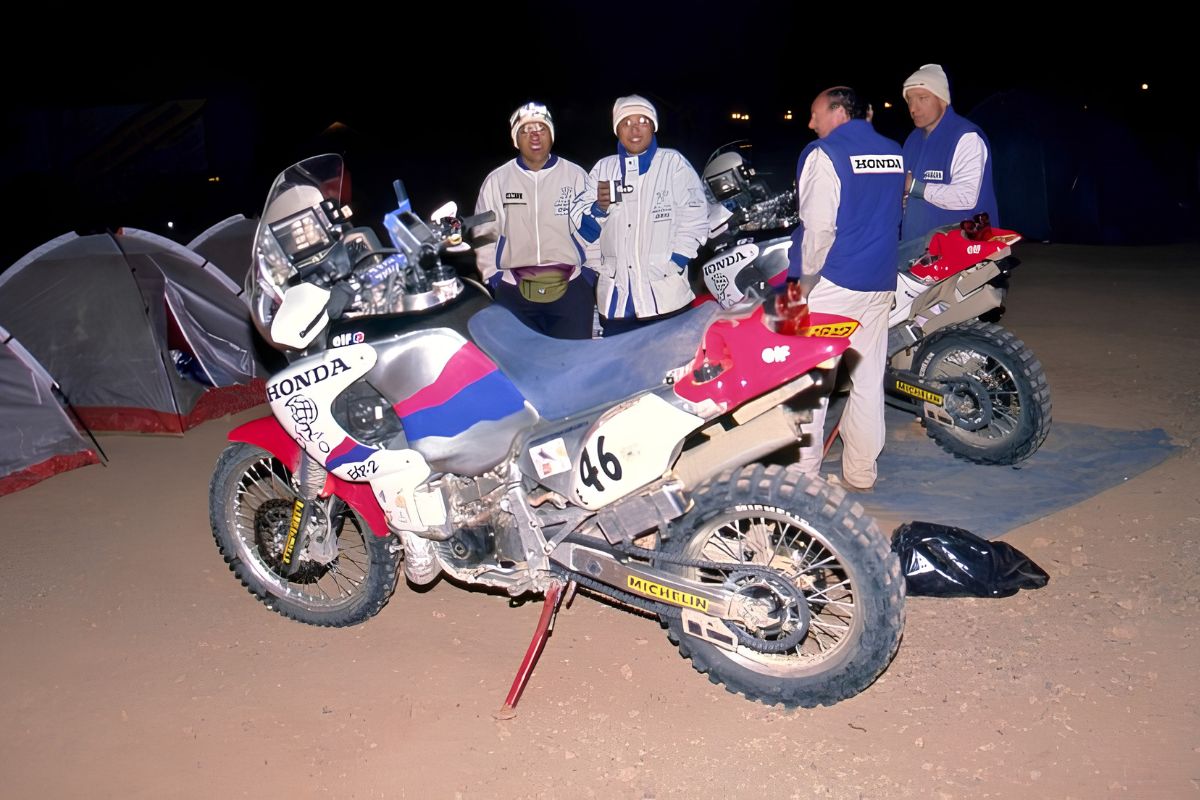
Built for the 1995 Granada-Dakar Rally, this unusual Honda was a 402cc, single-cylinder, fuel-injected two-stroke. But the really weird bit was hidden inside the engine. Honda had developed a combustion system that allowed the EXP-2 to ignite its mixture without relying on the spark plug under certain conditions.
Yep, Honda had built a two-stroke that could behave a little bit like a diesel.
And then they took it into the desert.
Engine
The EXP-2’s heart was a water-cooled 402cc two-stroke single producing around 54 horsepower. But this wasn’t your usual screaming two-stroke with a carburettor and a powerband that tried to rip your arms out of their sockets.
Honda called its clever combustion system Activated Radical Combustion, or ARC.
At light engine loads, the engine could use chemically active particles left over from the previous combustion cycle to ignite the fresh mixture. In other words, it could self-ignite rather than depending on the spark plug.
At higher throttle openings, the spark came back into play.
The idea was to make the two-stroke burn its mixture more completely, reducing the misfiring and unburnt fuel that were major problems for conventional two-strokes. Honda also used electronic fuel injection and computer-controlled engine management, seriously advanced stuff for an off-road bike in 1995.
Honda wasn’t messing around with a little test engine on a dyno. The company deliberately chose a 402cc single because its large combustion chamber and high piston speed made combustion difficult. If the system could work there, the engineers figured it could work on smaller engines too.
Chassis
The EXP-2 used an aluminium semi-double-cradle frame and tipped the scales at around 150kg dry.
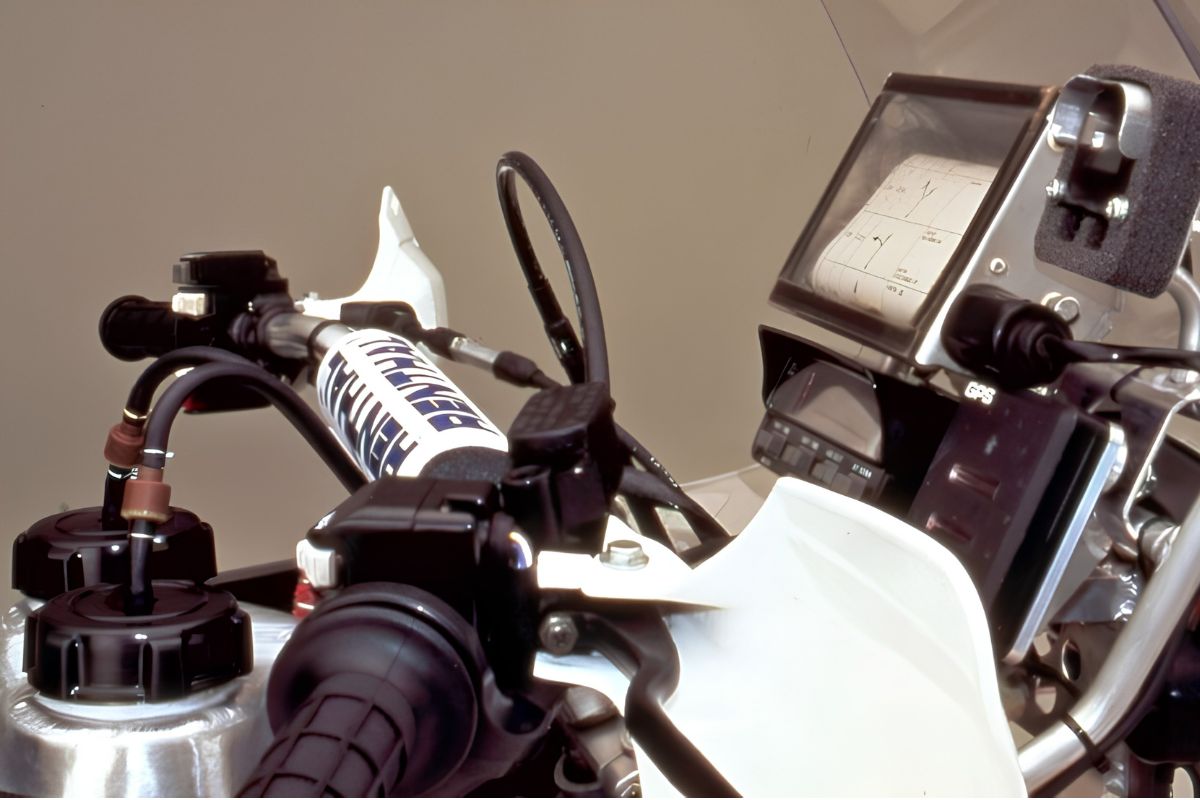
That might not sound featherweight by modern enduro standards, but remember what this thing was built for, thousands of kilometres of desert rallying, fuel, navigation equipment and all the punishment that comes with it.
Compared with Honda’s much larger NXR750 V-twin rally bike, the EXP-2 was about 40kg lighter while producing 40kW from half the displacement.
And that was the whole point.
Less engine. Less weight. Less fuel. More efficiency.
The Clever Bit
This is where the EXP-2 gets properly interesting.
Honda wasn’t simply trying to build a faster two-stroke at a time when the world was getting a bit Anti. It was trying to save the two-stroke.
By improving combustion at low loads, ARC could make the engine run cleaner and more efficiently while also giving the rider smoother, more predictable power.
Period testing described the EXP-2 as surprisingly easy to start for a 400cc single, with a mild bottom end and strong top-end performance. Instead of the traditional two-stroke “nothing, nothing, nothing, HOLY HELL!” power delivery, the EXP-2 reportedly built its power progressively.
It even sounded weird.
Test riders described a muted exhaust note that was more reminiscent of a watercraft than a conventional two-stroke, along with a strange clattering or pinging noise at low and medium throttle openings.
That noise wasn’t necessarily a problem.
It was part of the magic.
The engine was actually using controlled auto-ignition as part of its combustion strategy.
And Then It Went Racing…
Honda’s plan was to demonstrate the technology.
French rider Jean Brucy took the EXP-2 to fifth overall in the 1995 Granada-Dakar Rally and won its class. A 402cc two-stroke single had just gone toe-to-toe with much larger rally machinery in one of the toughest races on earth.
And Honda wasn’t finished.
The EXP-2 later won its class and finished seventh overall in the Baja 1000, while another outing in the Nevada Rally saw it win its two-stroke class and finish eighth overall.
Not bad for an experiment.
So Where Did It Go?
Now comes the slightly sad part.
Honda had effectively demonstrated that its crazy idea worked.
The EXP-2 could make serious power, deliver impressive fuel economy, run cleaner than a conventional two-stroke and compete against much larger four-stroke machinery.
Then Honda basically put it back in the cupboard.
There was never a production EXP-2. There was no CRF-style family of ARC two-strokes. The technology disappeared as Honda focussed on four-strokes.
The EXP-2 project was not pursued after the rally, which leaves us with one big what-if?
Somewhere in a Honda factory sits a 402cc two-stroke that finished fifth at Dakar, won classes at Baja and Nevada, used electronic fuel injection and could essentially ignite its own fuel without a spark plug.
All while the rest of us were still happily kicking carburetted two-strokes into life and wondering why they were fouling plugs.
The Honda EXP-2:
Proof that sometimes the weirdest bikes are the ones that were actually ahead of their time.