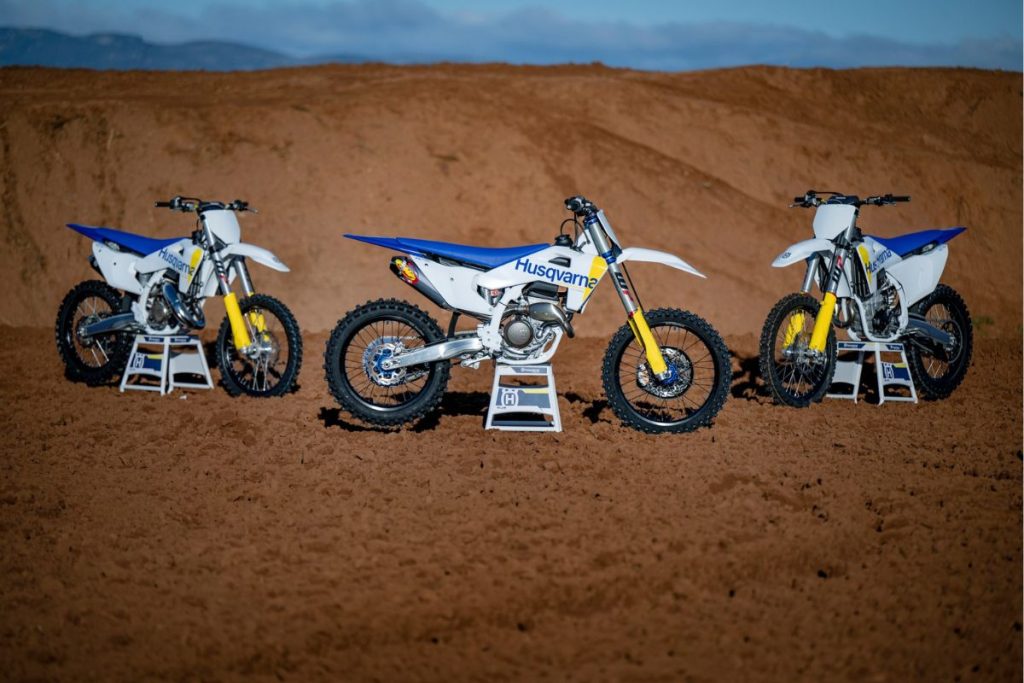
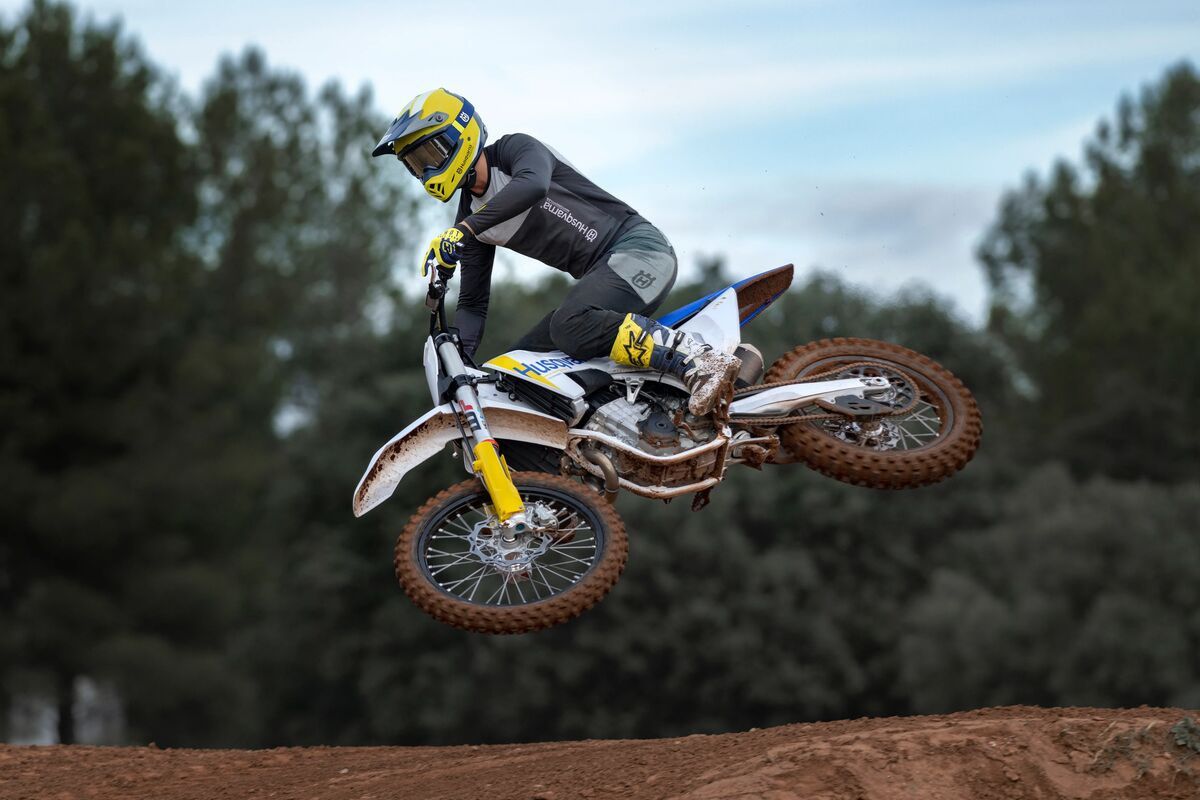
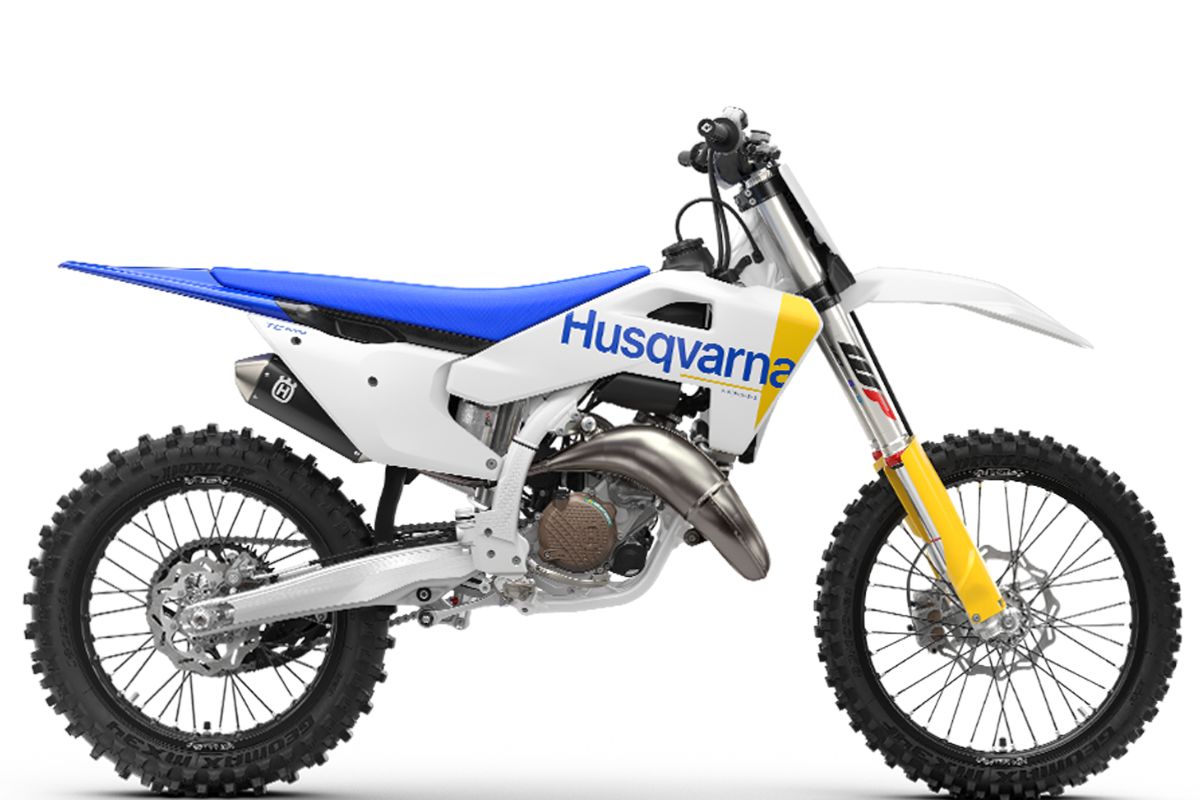
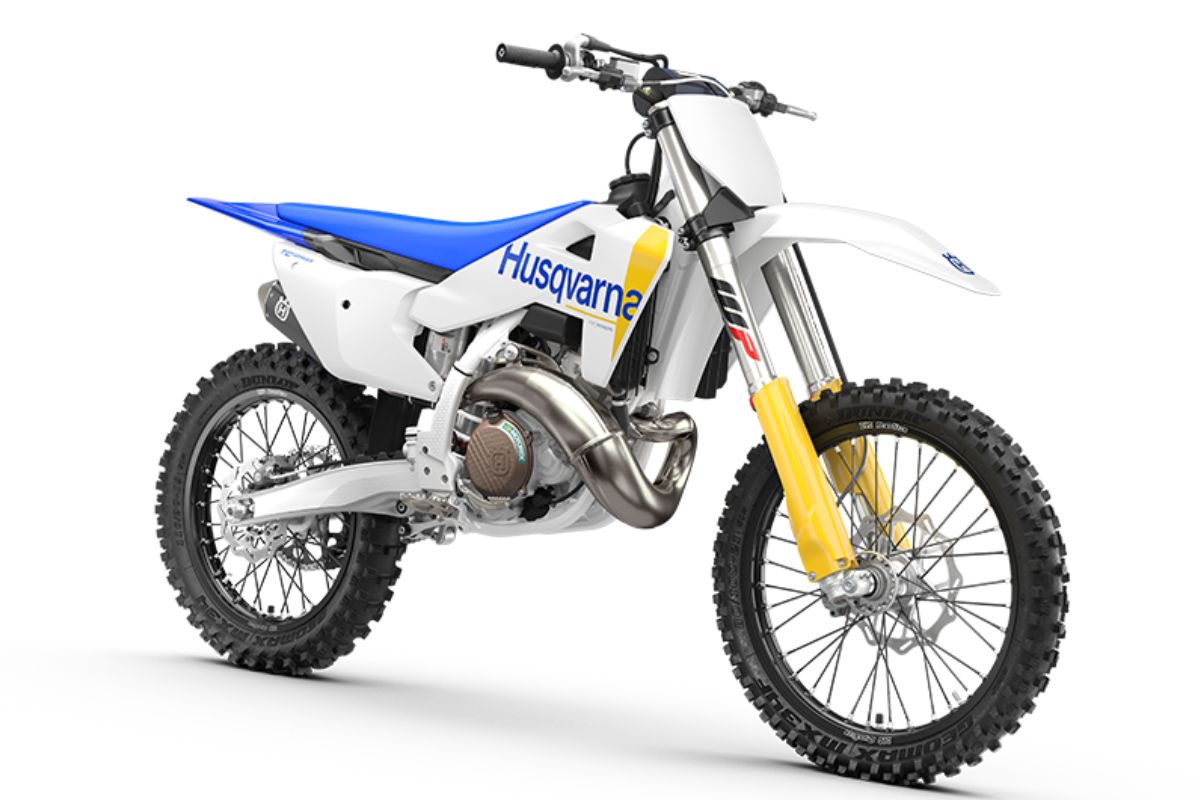
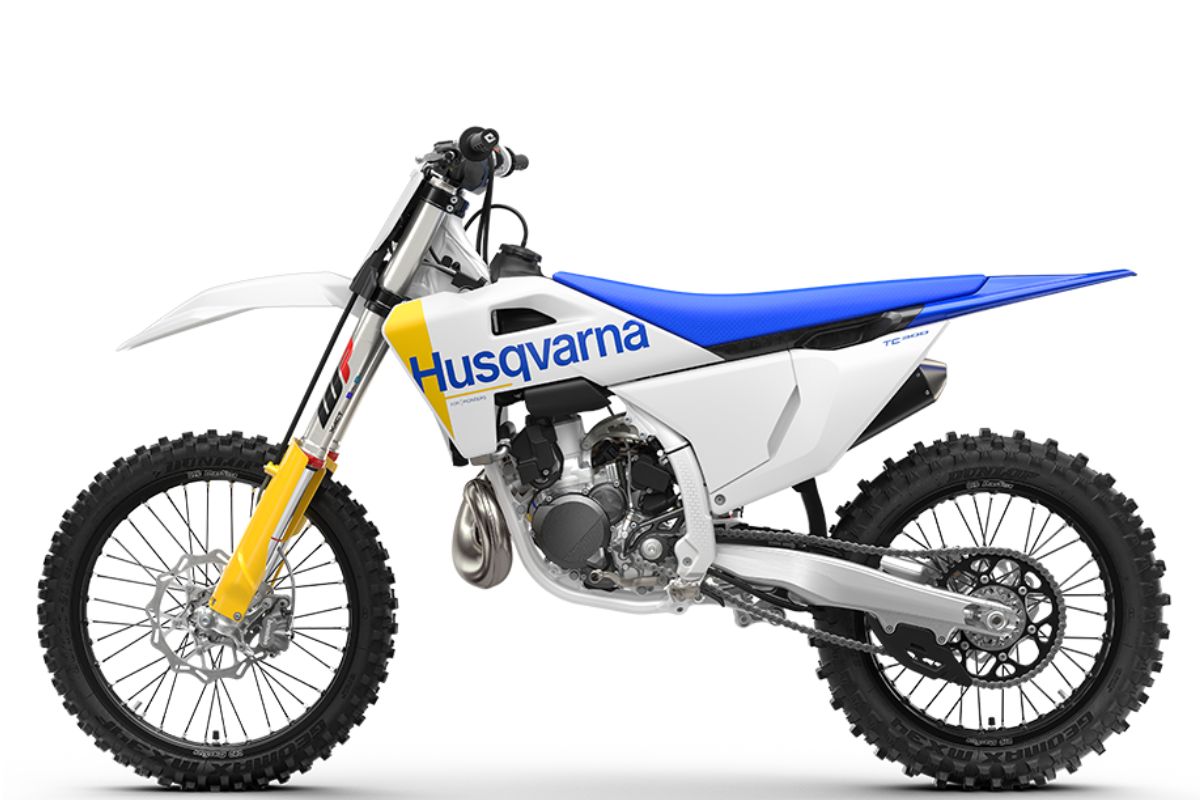
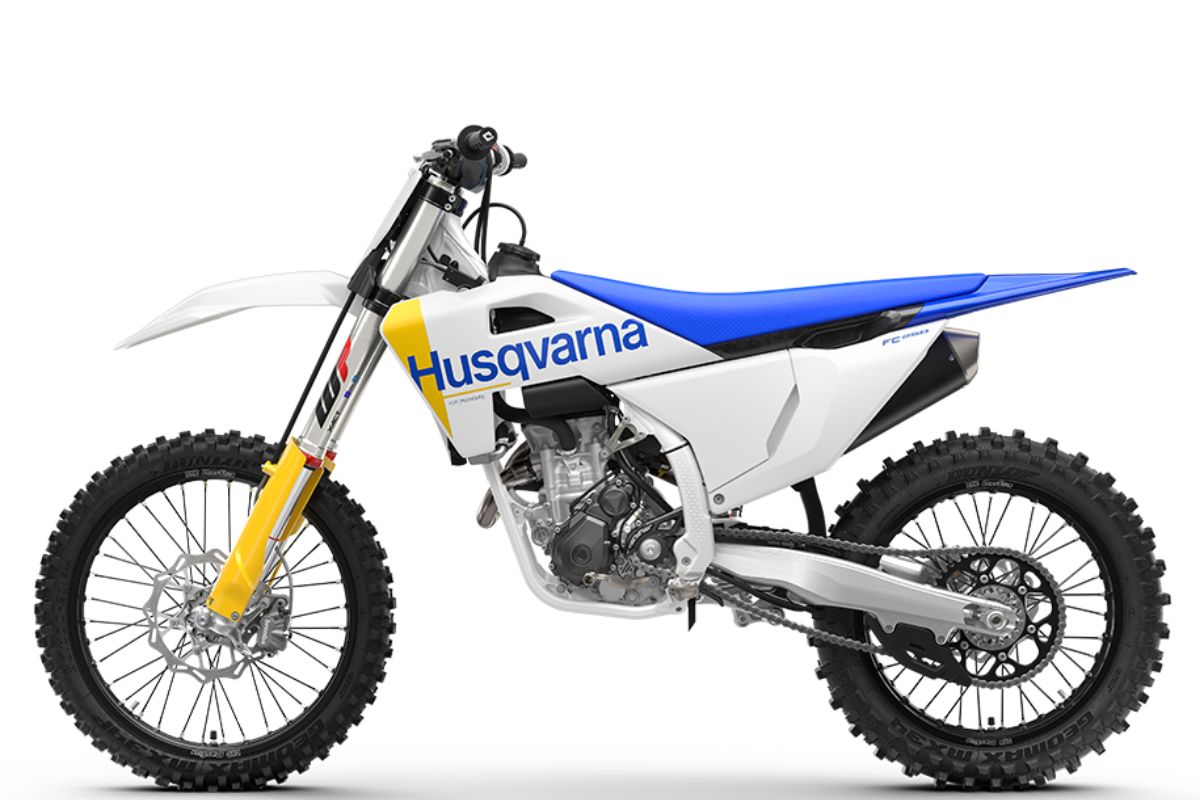
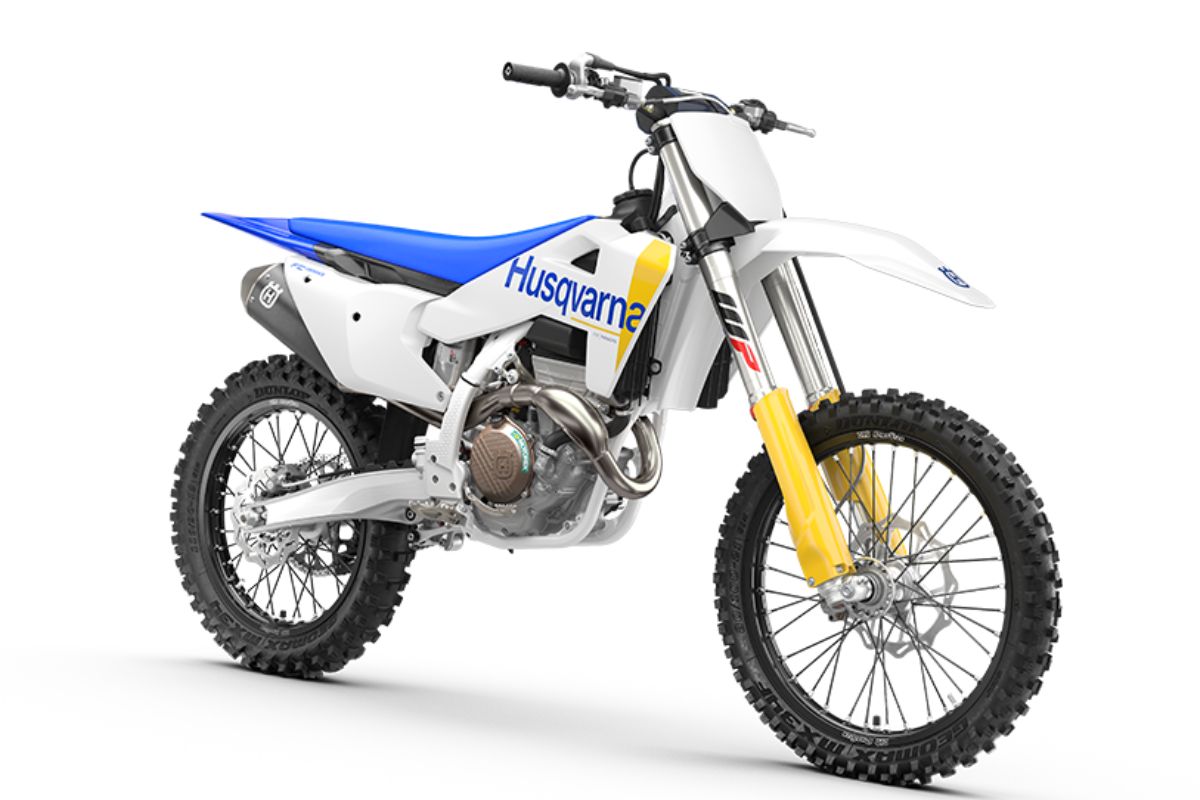
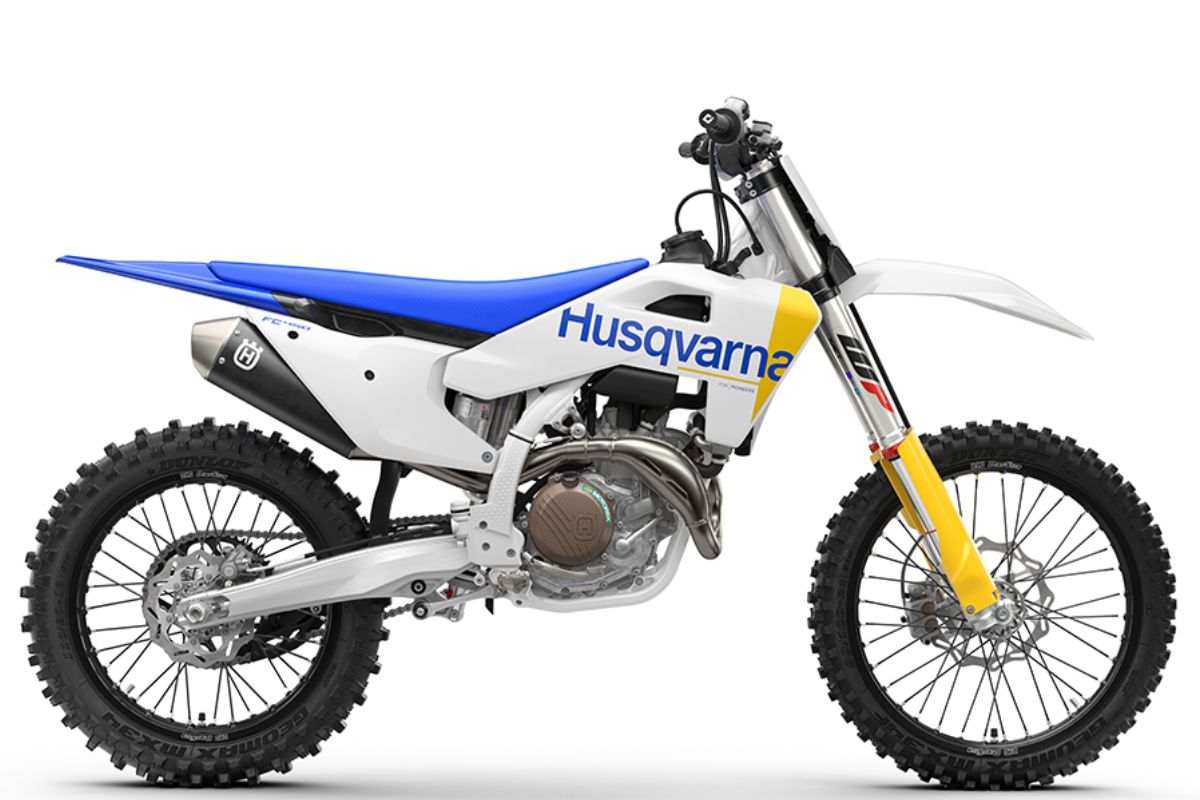
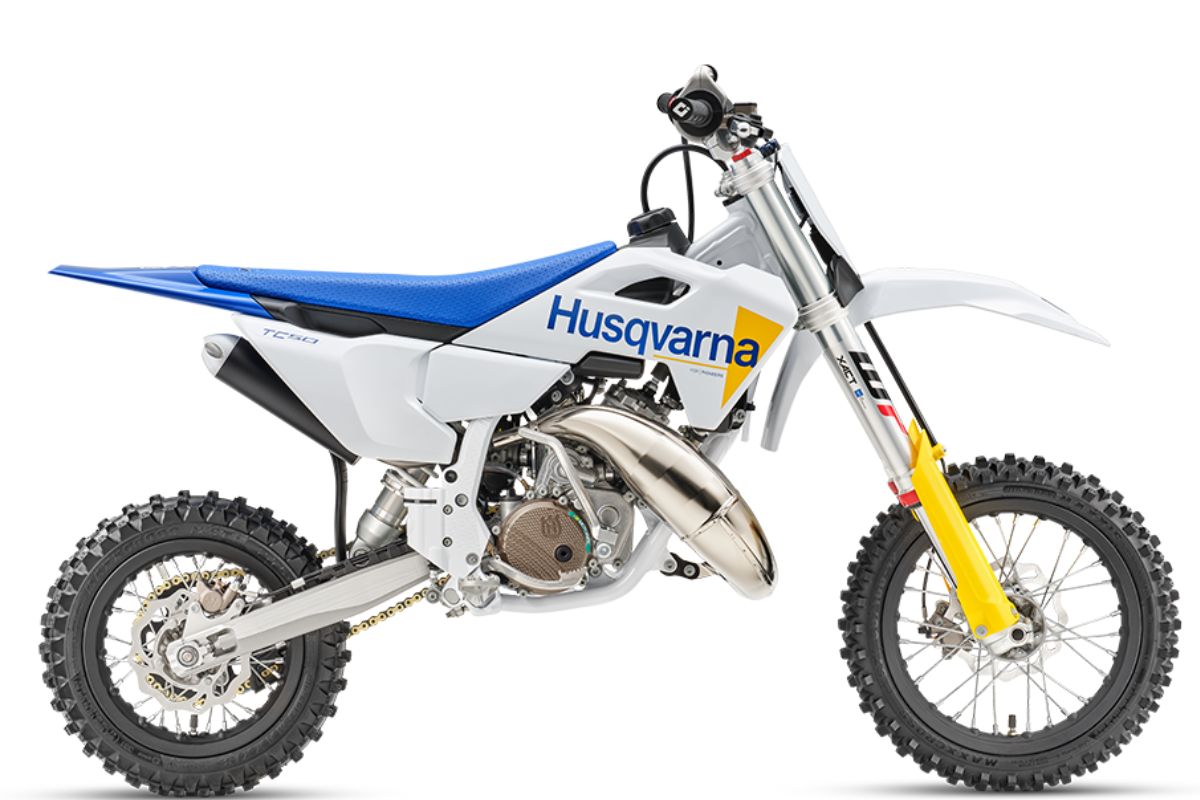
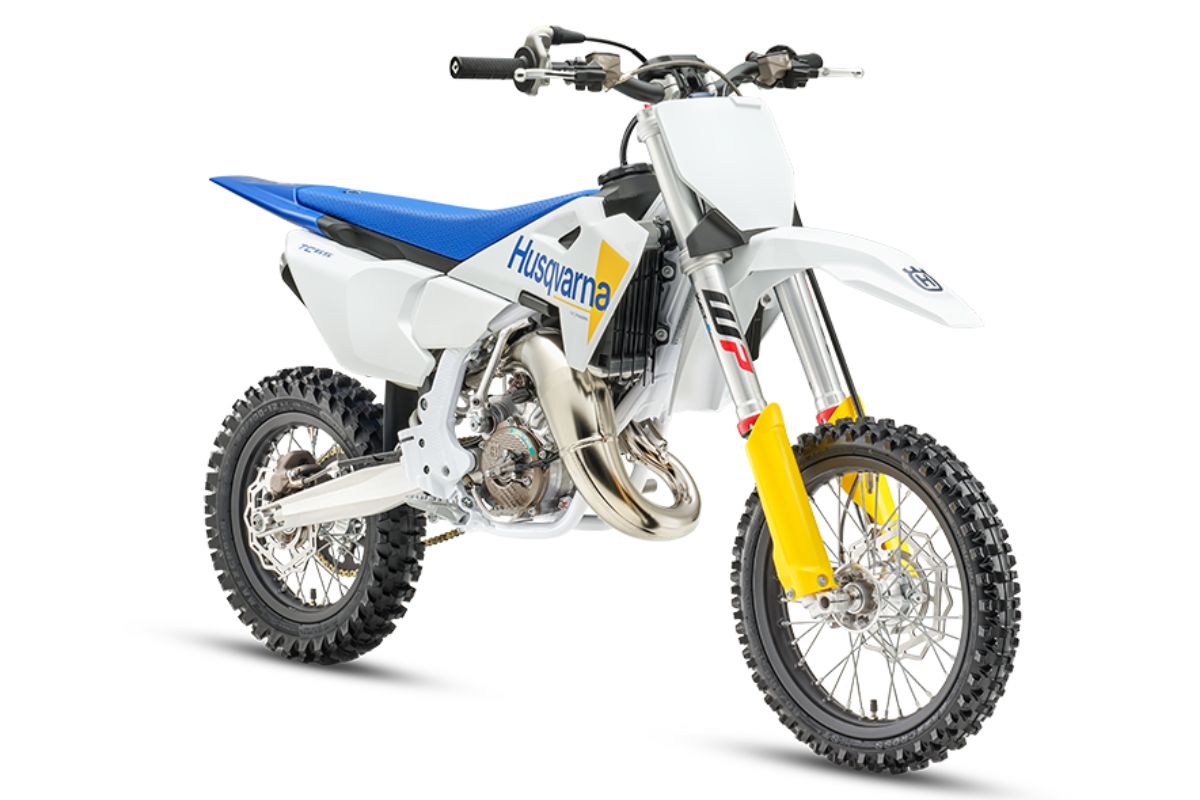
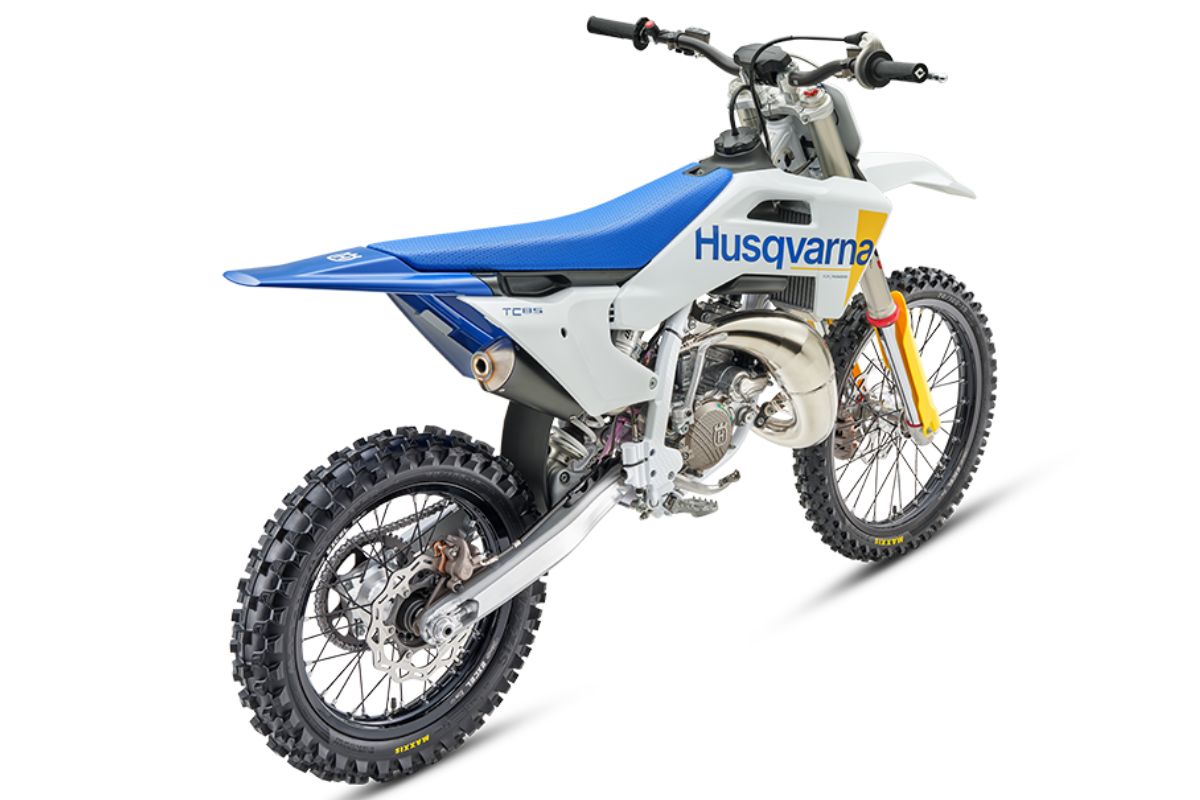
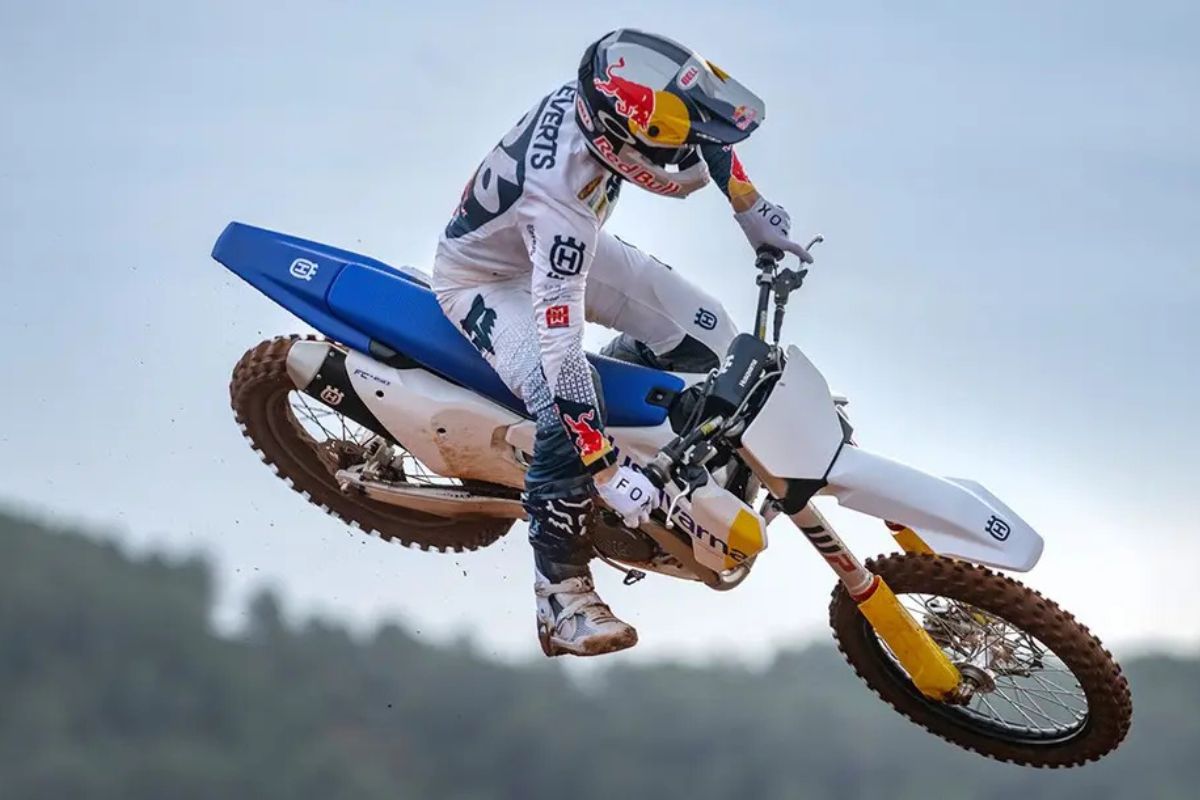
The 2027 motocross range from Husqvarna Motorcycles, continues with a familiar approach, keeping the platform largely consistent while refining the details around rider comfort, setup, and overall usability.
The range still covers both two-stroke and four-stroke categories, along with junior models, giving riders a full progression through the motocross ranks.
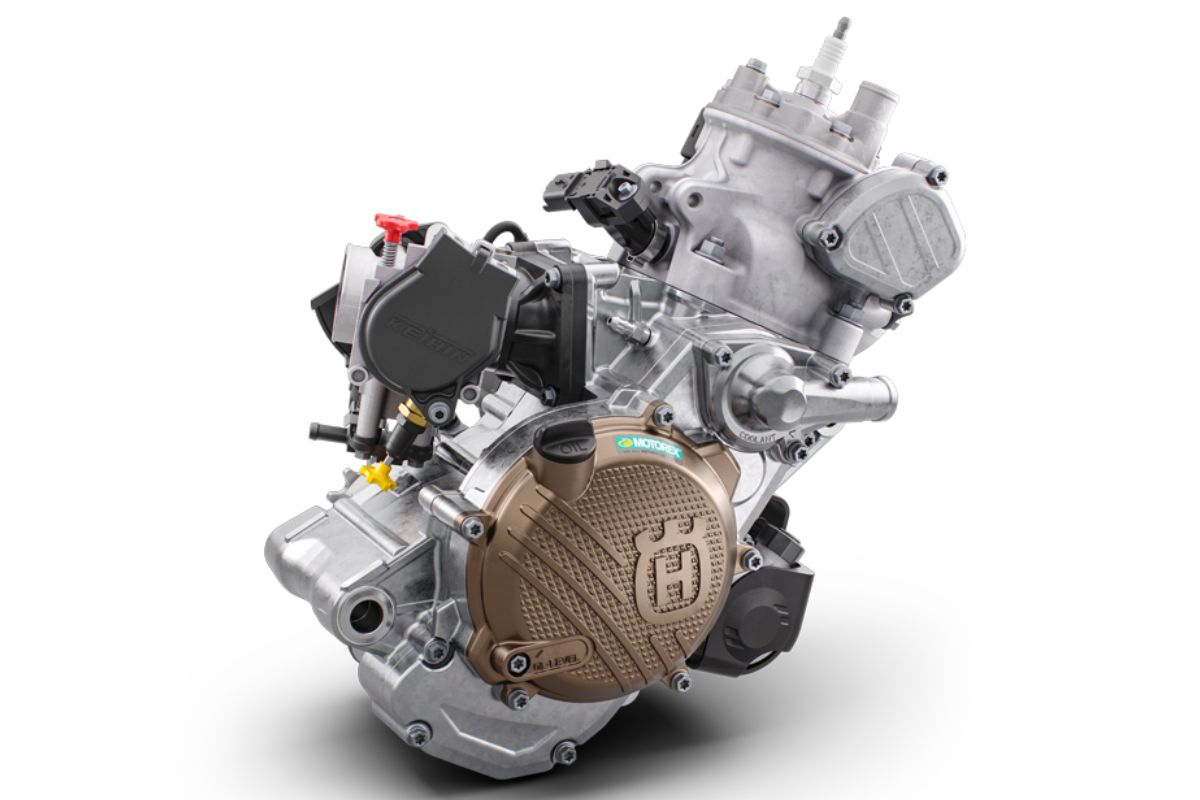
The TC two-stroke models continue with fuel injection technology, moving away from the older carburettor setups many riders grew up with. The system is aimed at improving fuelling consistency while reducing the amount of adjustment needed between riding conditions.
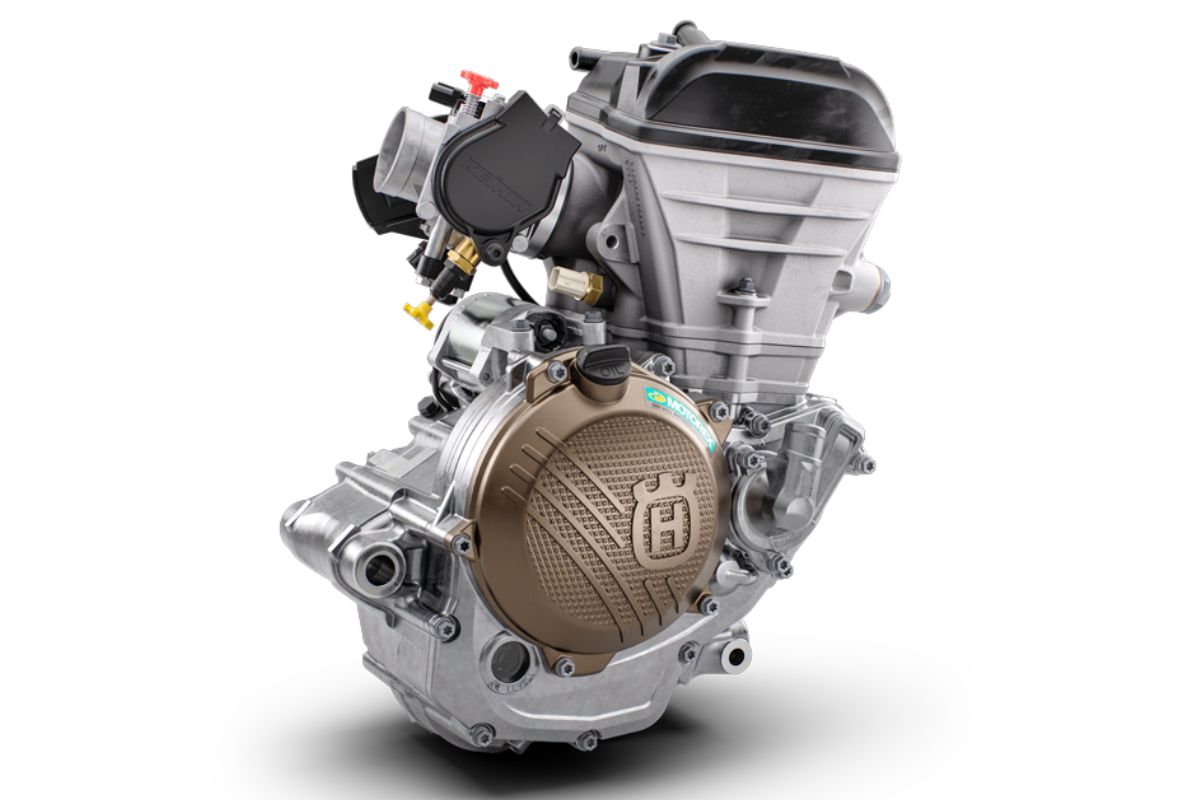
On the four-stroke side, the FC models remain built around compact DOHC engines with electronic fuel injection across the range. The 250, 350, and 450 platforms each continue to serve their respective classes without major changes to the overall concept.
Across both engine types, the emphasis remains on maintaining lightweight layouts and keeping the bikes race-focused without unnecessary complexity.
Chassis.
The chassis platform carries over with chromium-molybdenum steel frames and composite subframe construction. For 2027, the bikes receive updated graphics and revised bodywork, while the slim overall layout remains very much part of the Husqvarna identity.
The riding position continues to prioritise movement on the bike, especially during standing transitions and corner entry.
Suspension.
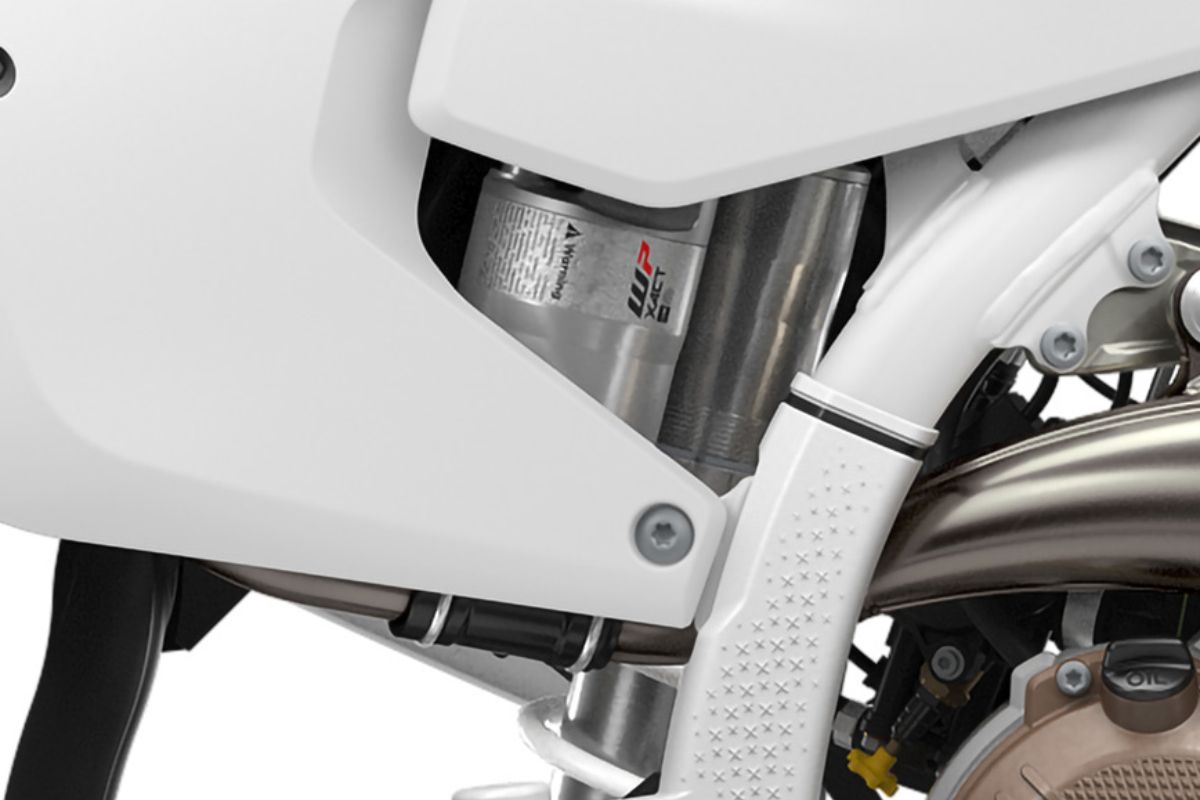
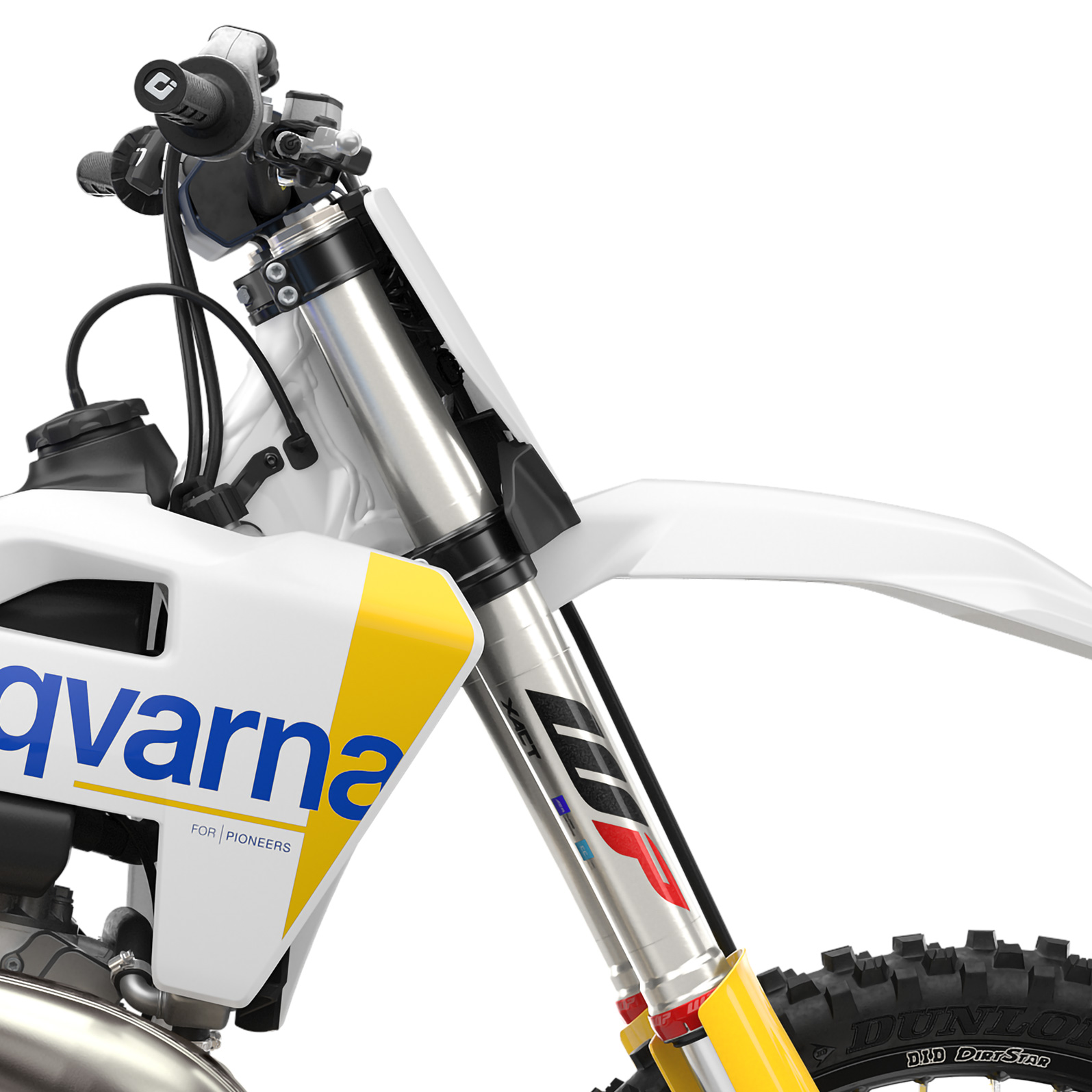
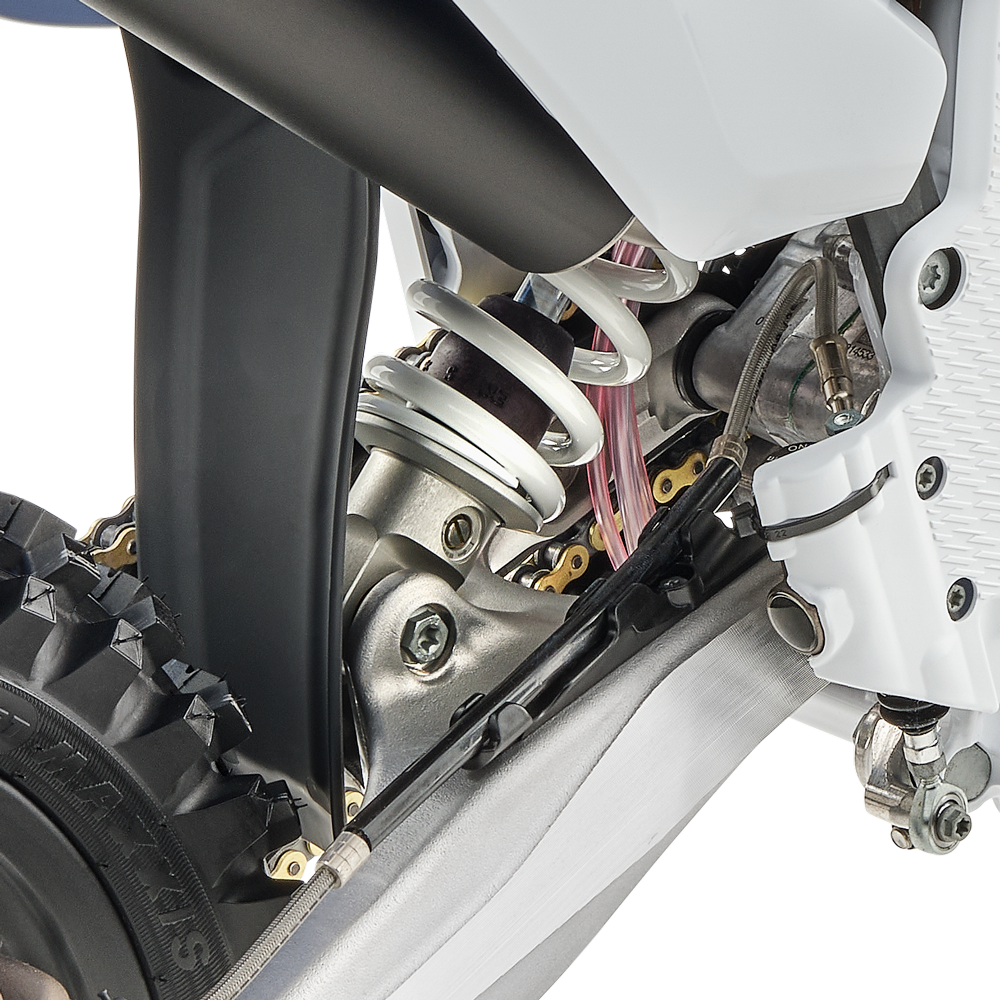
WP XACT suspension remains standard throughout the motocross range, with adjustable components front and rear.
The setup continues to give riders the ability to make changes based on track conditions, rider preference, and riding level, whether at club racing level or more competitive environments.
The junior models also retain adjustable suspension systems, allowing younger riders to adapt the bikes as they progress.
Wheels & Brakes.
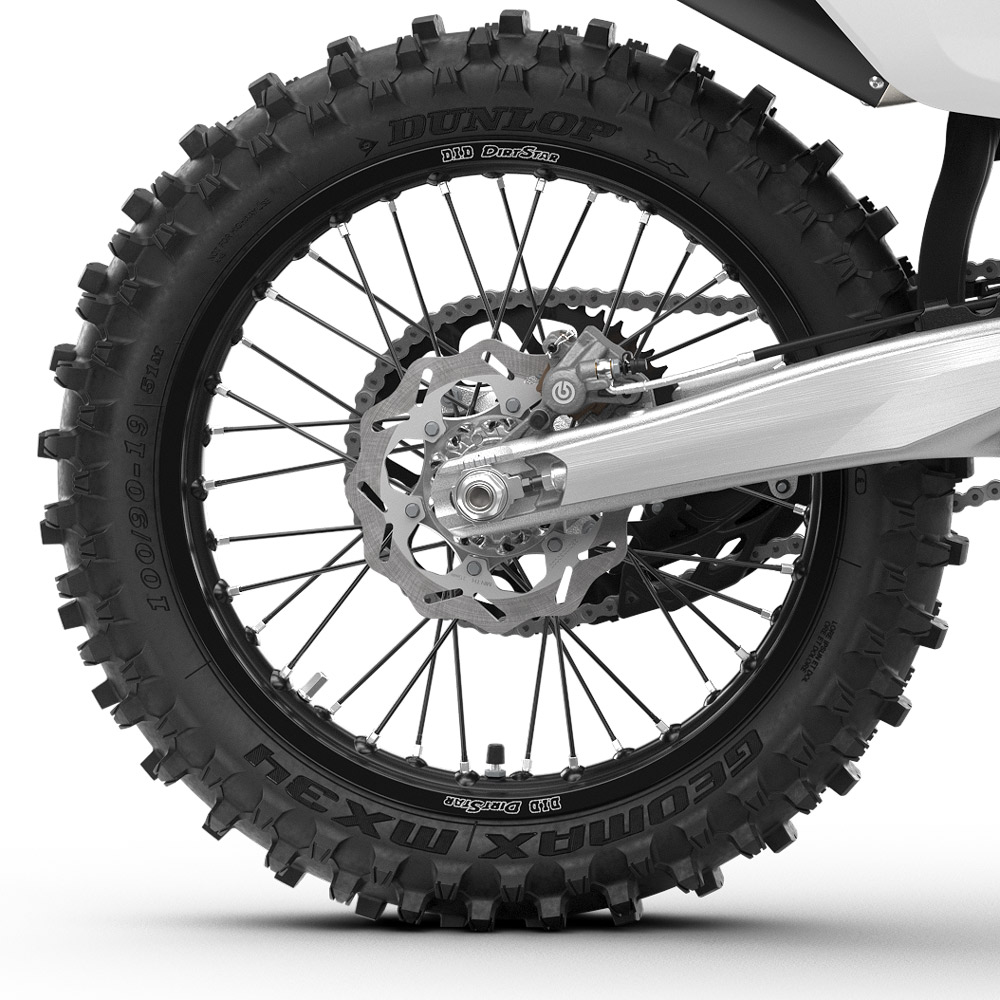
The full-size bikes continue with the standard motocross wheel combination of a 21-inch front and 19-inch rear, while the smaller-capacity junior bikes use wheel sizes appropriate to their classes.
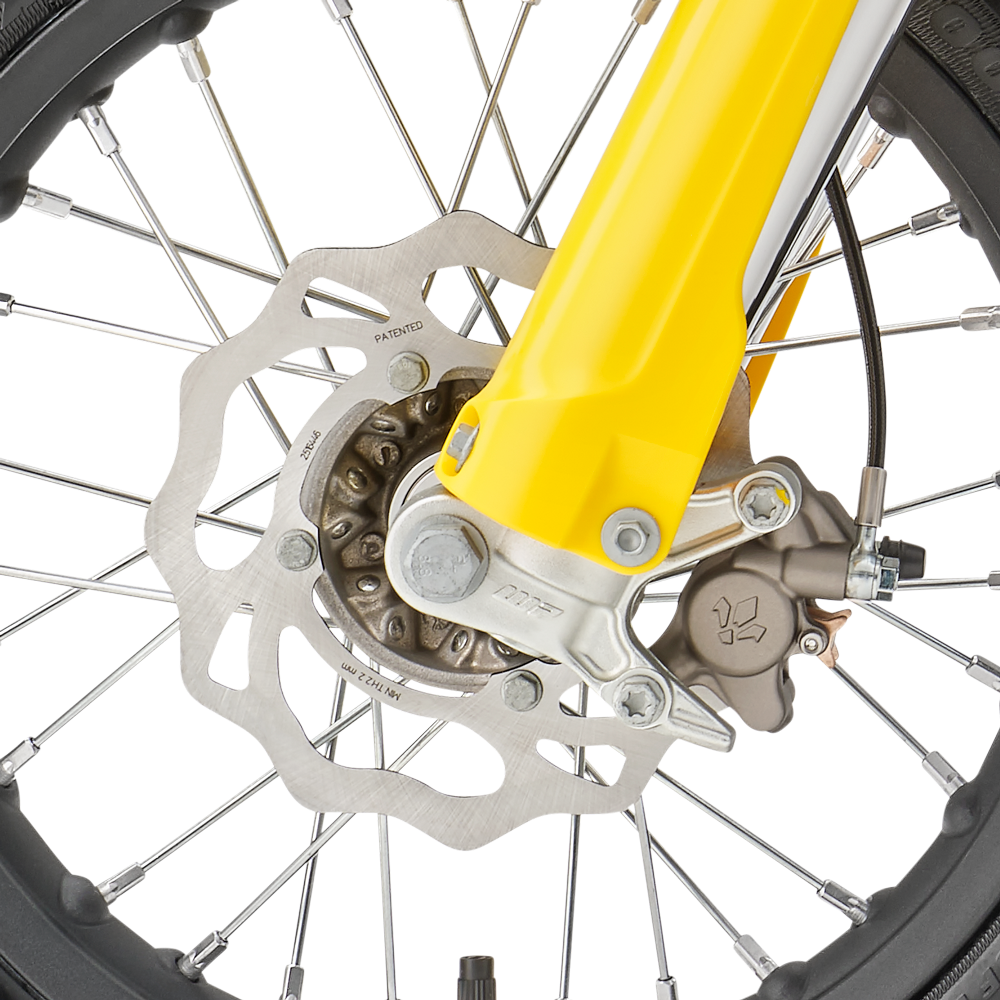
Hydraulic disc brakes remain standard front and rear across the range, with the overall setup focused on consistency, ease of maintenance, and durability during motocross use.
Electronics.
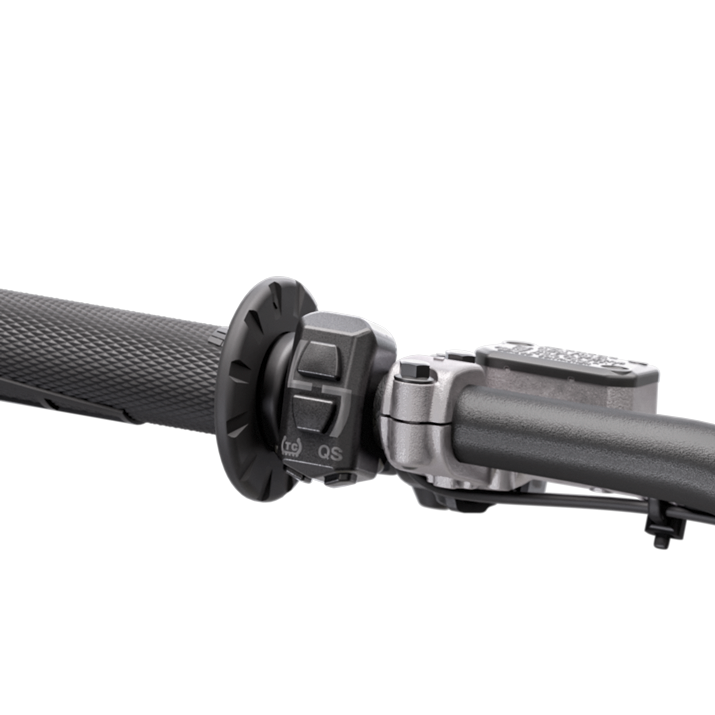
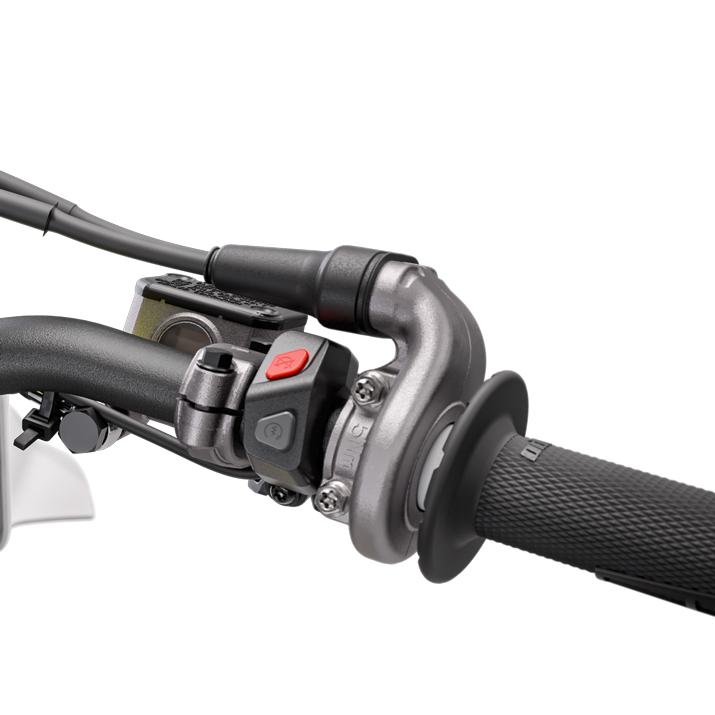
The FC four-stroke models continue with rider-assist systems including launch control, traction control, quickshifter functionality, and selectable engine maps.
These features are managed through the handlebar-mounted map switch and allow riders to make adjustments depending on track conditions and rider preference.
The electronics package remains relatively straightforward, keeping the focus on usability rather than excessive intervention systems.