I have received a number of requests for a ‘review’ of my Himalayan 450, so here we go – I liked it so much I bought one. Done, can I go ride more now?
No. You want a bit more meat on that bone?
Bollocks…
The ‘Iron Pony’
By David Kirkwood.
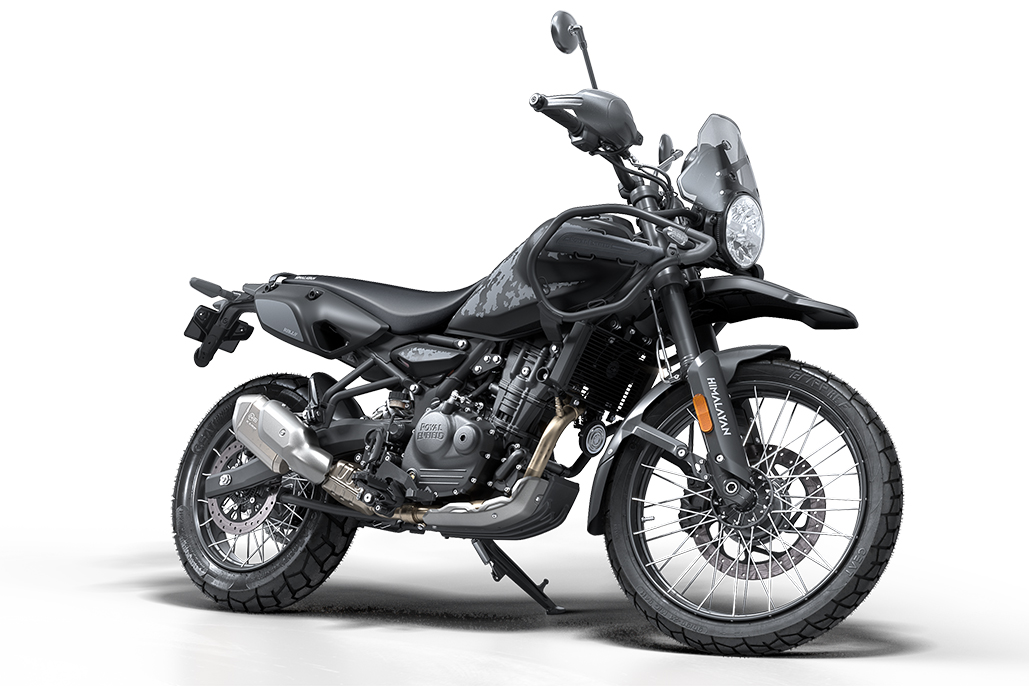
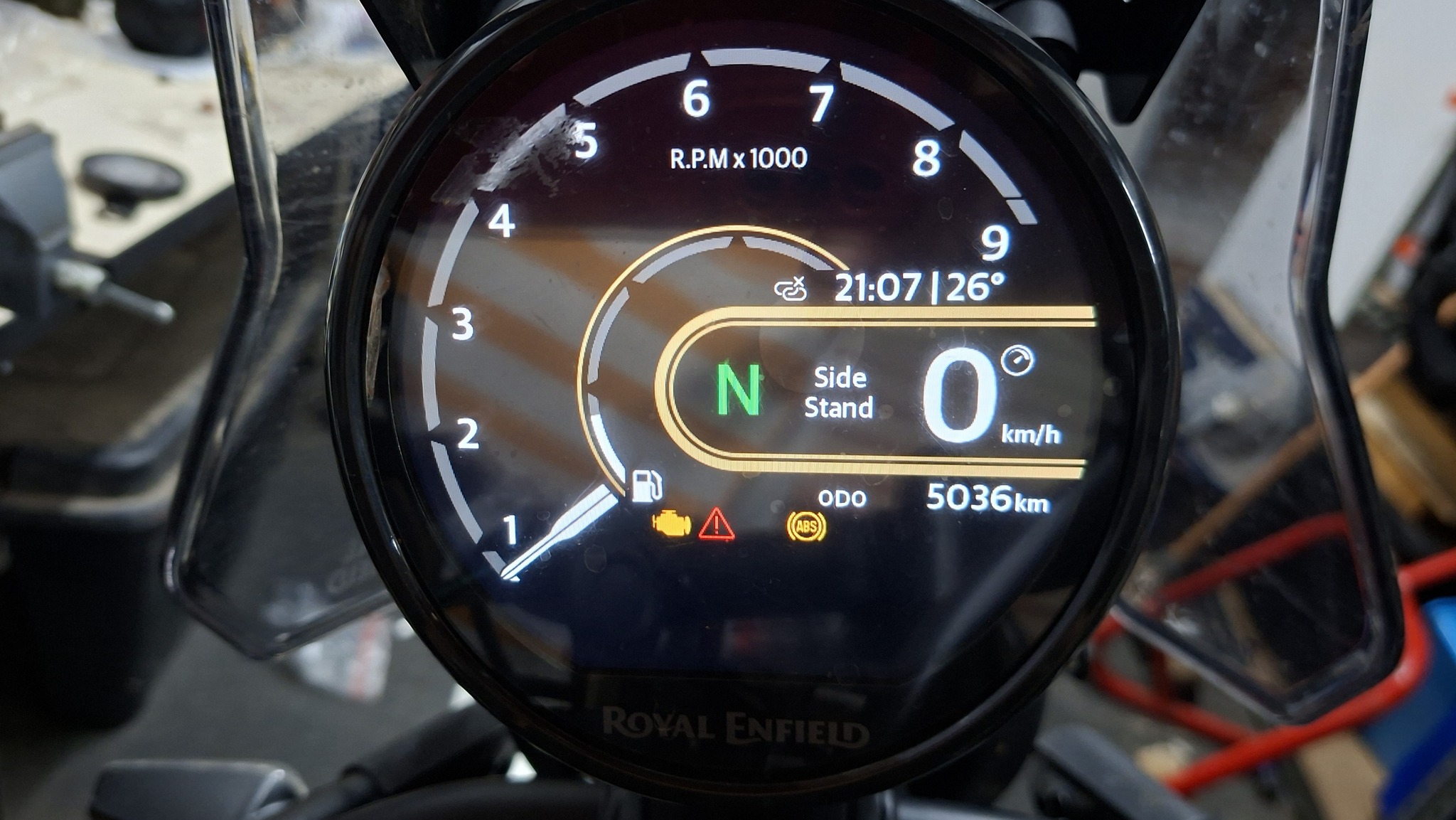
Okay, well let’s start with another angle on that same statement – I bought one, so I am inherently biased, and therefore disqualified from giving any kind of objective ‘review’. Everyone loves their bike and I adore this thing, so assuming objectivity is a non-starter, with 5036km on the clock what’s my subjective opinion?
That is a far more interesting question…
I think a good place to start measuring any bike is not from what we want to get out of it, but what the manufacturer intended when they designed it. For example, a sport bike being bad at off-road is non-issue since that’s not what it was designed for, or marketed to us as. Likewise, neither can you complain about having to throw R40k at a KTM 690 Enduro to turn it into an adventure bike, when it’s marketed as an enduro bike.
So what is the Himalayan being pitched to us as? Mark Wells, chief of design at Royal Enfield in the UK, said their intention was to make the Himalayan the best bike for going around the world on. And not just the best to get you to where you want to go, but really fun both on-and-off pavement once you get there. Those are fighting words, but since that’s what it was designed for and being marketed to us as, I think that’s a fair watermark to measure what I think of it against.
I’m going to start with the short attention-span, tik-tok conclusion for those who just want the skinny, and then get into the gristle of my opinion after:
- It’s as good as the bulk of the reviewers say it is, probably better. Go ride one…
- It’s very good as what it’s marketed to us as, regardless of price.
- It’s still built to a price, but you don’t feel that anywhere that matters in the context of its design brief.
- It’s not a small adventure bike, it’s an adventure bike with a small engine.
It absolutely does what it says on the tin.
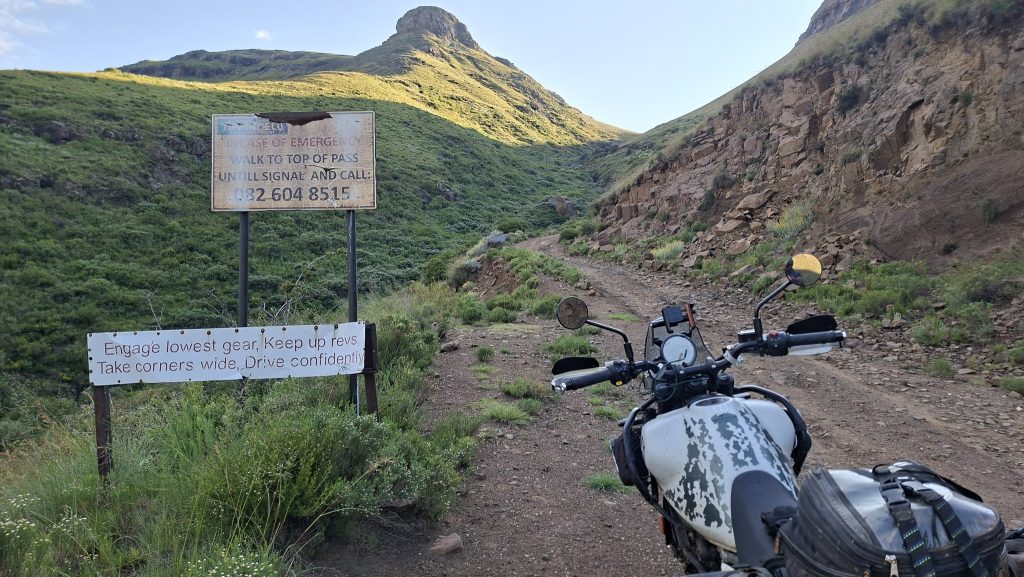
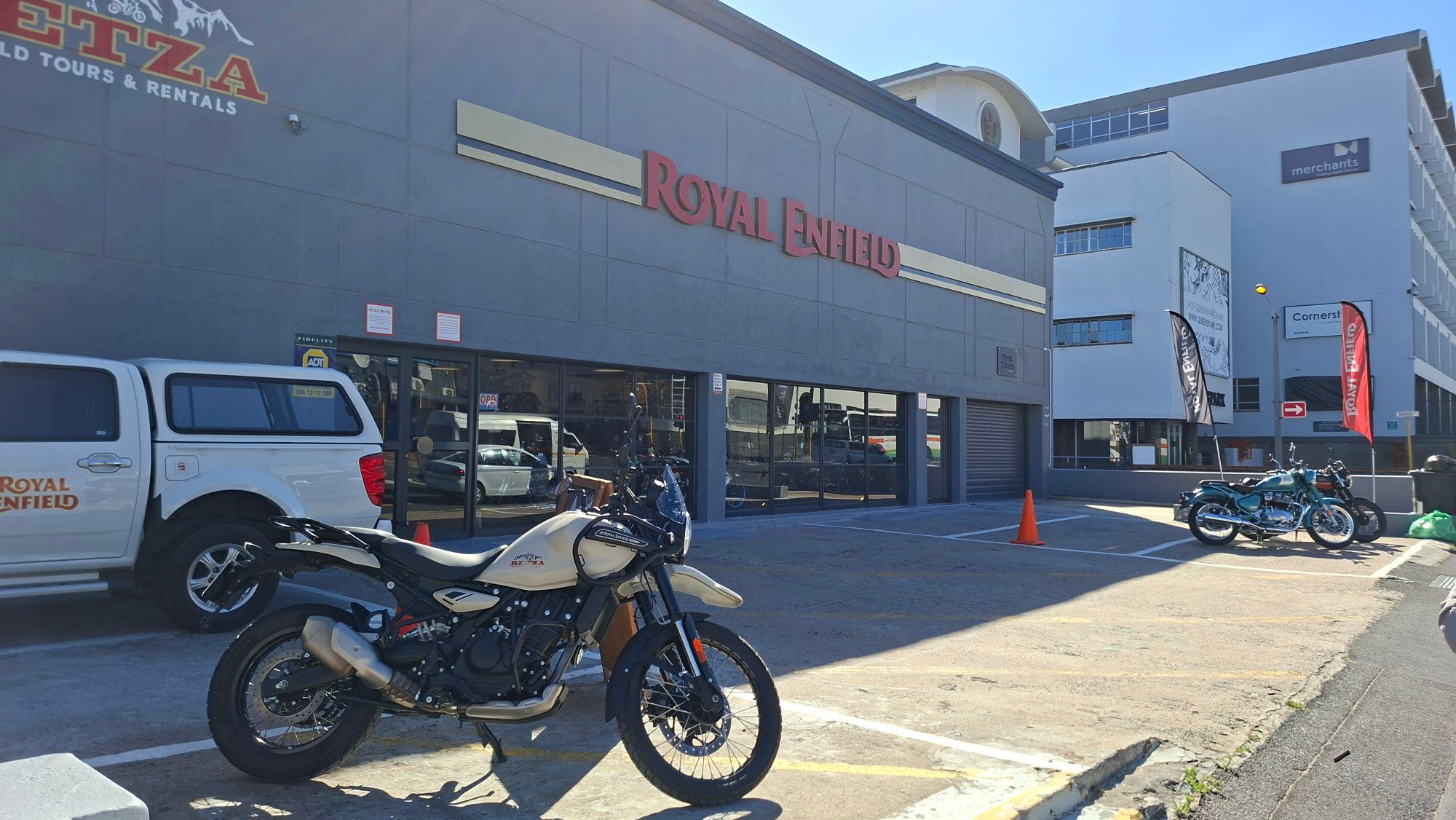
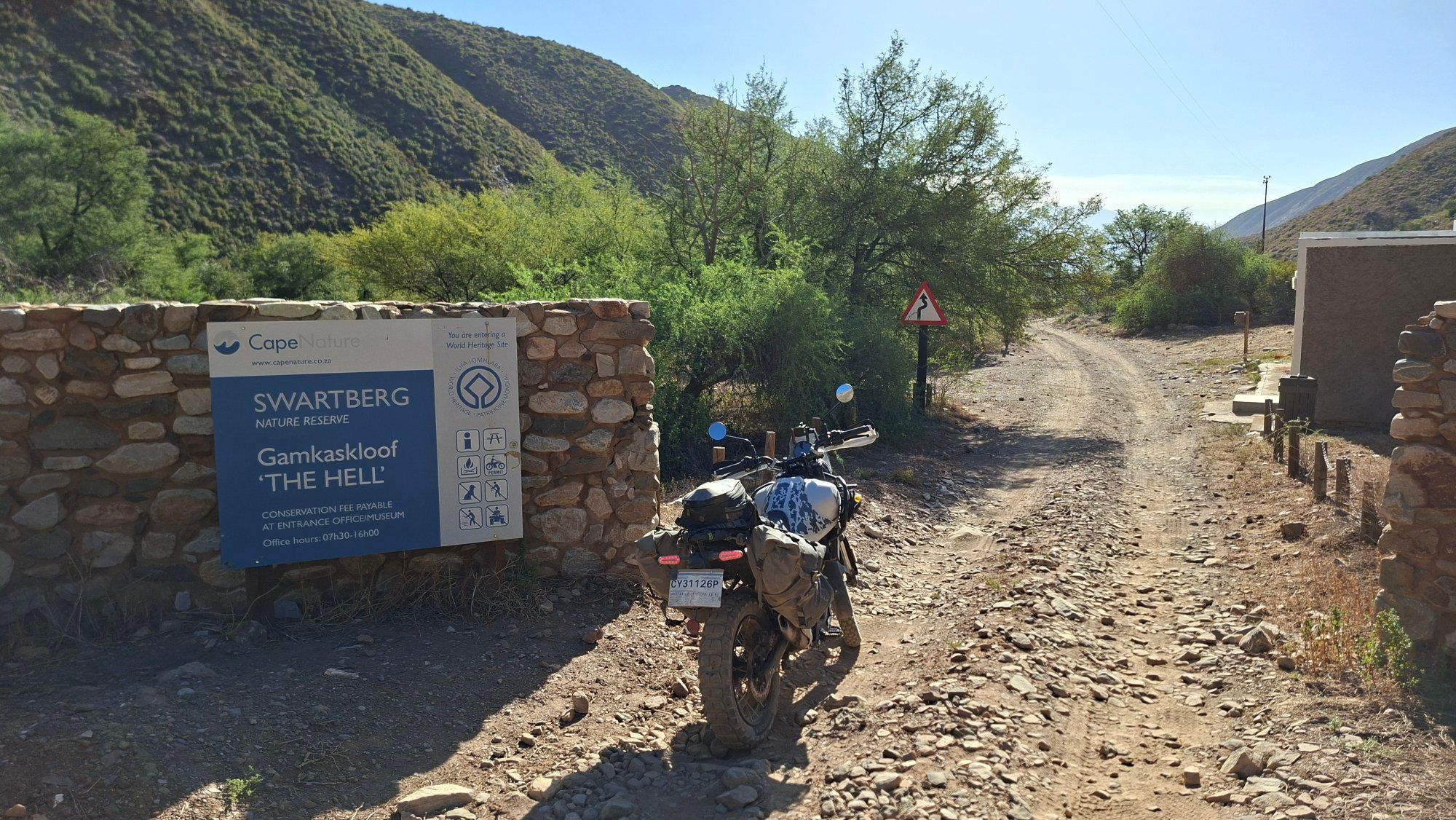
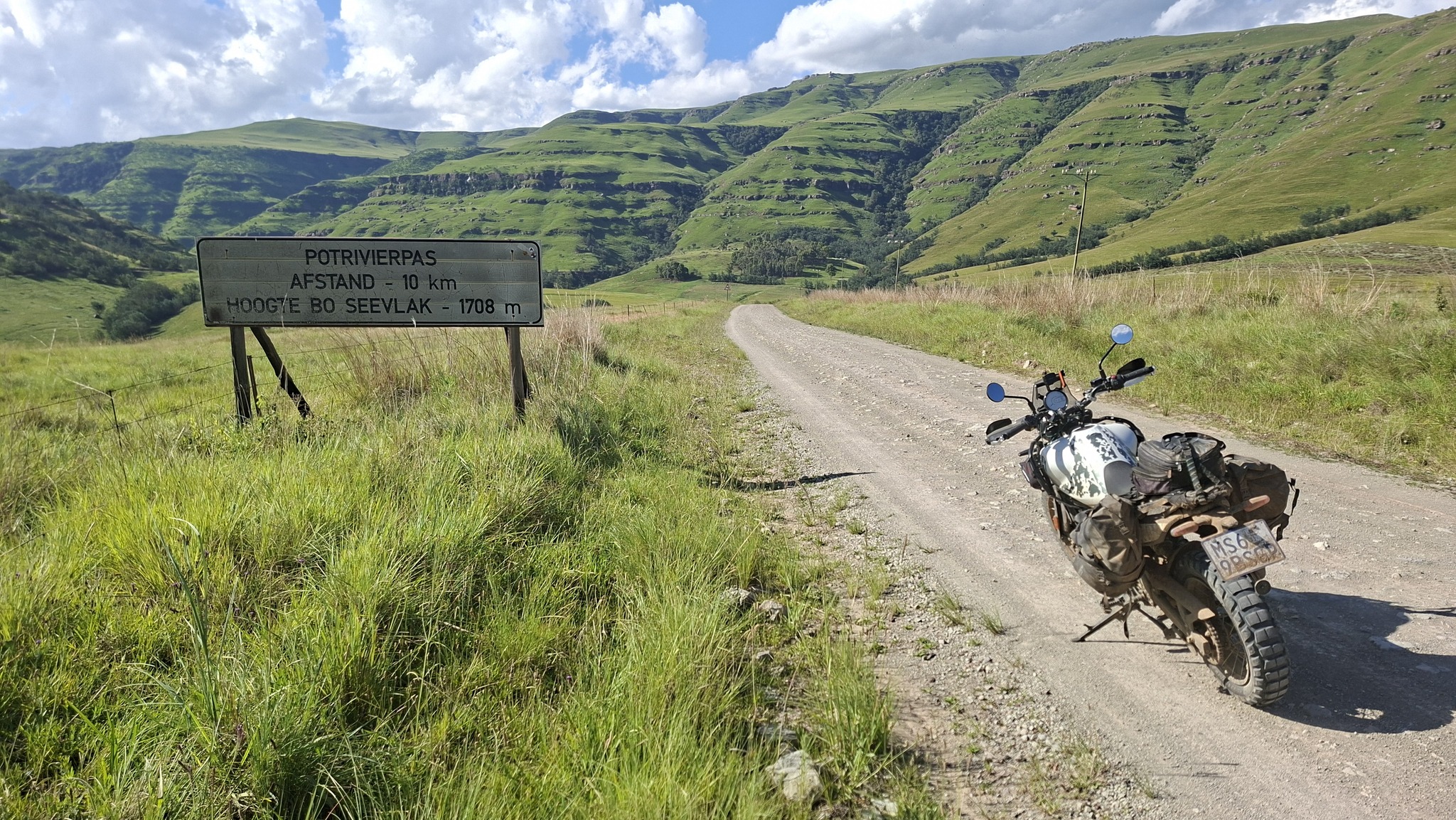
You can buy one, chuck some luggage on it, and ride around the world with peace of mind. I bought one in Cape Town, chucked on some luggage, Barkbusters & a bashplate, and rode it home to Roodepoort in Gauteng the long way. I racked up 5000km over 3 weeks across almost everything South Africa has to offer with no dramas. Not only did the bike handle it all well, but it made fabulous experiences manageable & accessible to an average rider.
So if that’s the conclusion, what about the rest? Let’s get into the warts-and-all then. First a confession, then I’ll dive into what I don’t like about it, and then rattle on about how amazing it is till the end or you stop reading – whichever comes first…
The confession:
I made a proper rookie mistake on the first day I had my bike out. David Aylward my riding buddy will attest to the fact I was a bit of an emotional ping-pong ball, one minute loving it and the next whinging like mad it needed a steering damper. I was cornering like garbage and very unsettled at any kind of pace offroad, more so than just needing to get used to a new bike. Without putting too fine a point on my doffness, I had spent so much time fitting my accessories that I had forgotten to set my sag / preload. Since I’m 108kg, and not what you’d call a ‘one-click’ pre-load human, the bike was well light on the front & properly getting itself out of shape through no fault of its own. 3 clicks in later, and it was a different machine. Moral of the story, suspension & tyres – get them right, first.
I knew better…
So apart from unforced errors, what’s not to like?
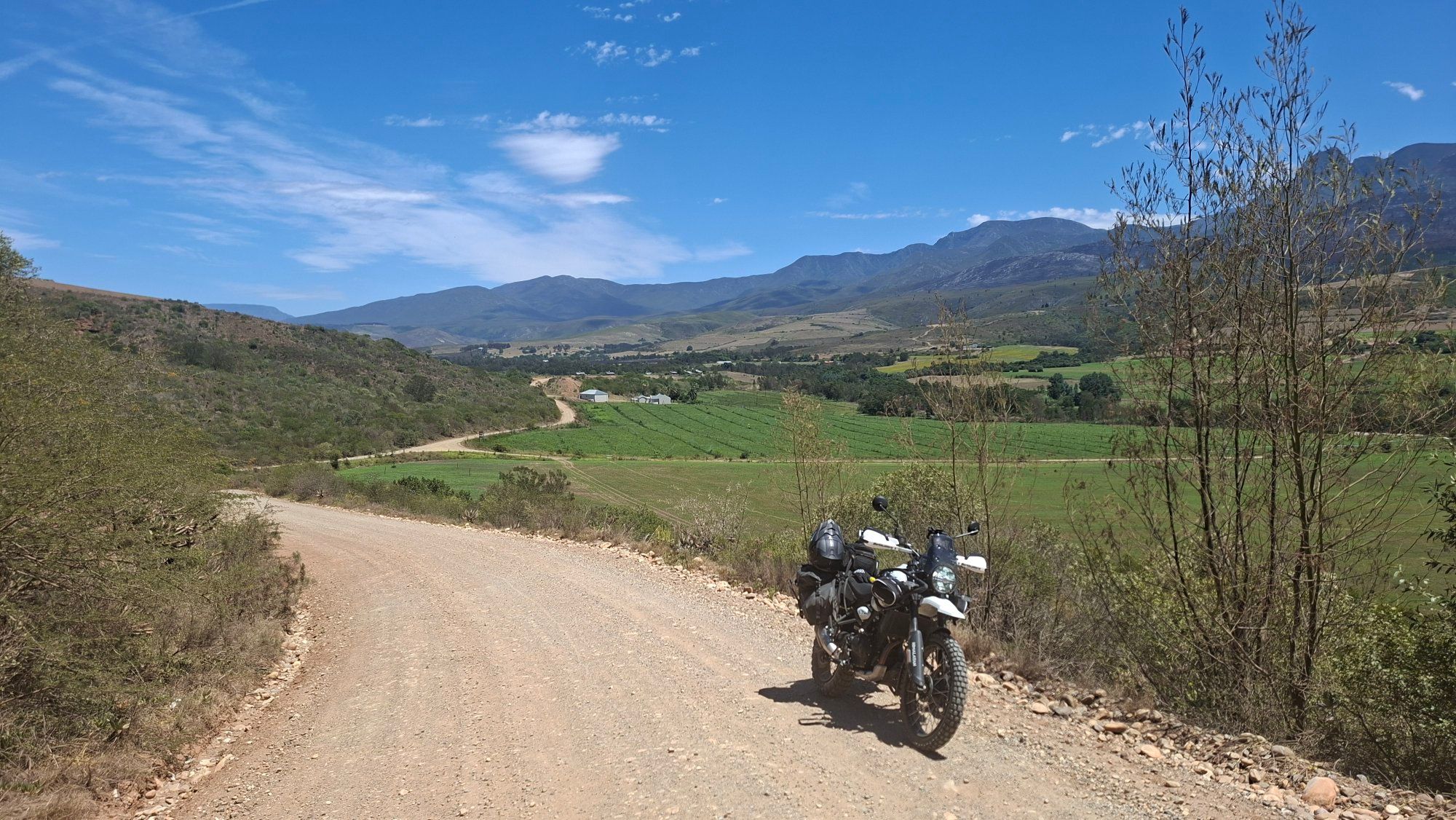
It’s not a long list, actually. First up is the rear suspension. It’s very capable, but I found its limits at pace on the uphill corrugations in the Karoo – it had a bit of chatter there, which made it a struggle to keep the power down on those uphill sections. Now I’m not sure if blasting along at 110km/h over corrugations on Karoo highways was part of the design spec, but the rebound damping on the rear shock isn’t quite up for that kind of riding. Around 90km/h or below in the same conditions and it was just fine.
Next up, the bike gets a bit spluttery when cornering on reserve. Even though you have 2l left in the tank, take a corner or roundabout too enthusiastically and it’ll cough or even cut-out. I’ve done this twice, and when filling up there was at least 1.5l left, so I reckon this is a limitation on where the fuel pickup is in the tank. I’m getting the Acerbis long-range tank, so I’ll see in a few months if this gets resolved. Considering one hits reserve well after 400km, and this only happens when you’re properly leaned over, it’s not a terrible blot on the experience, but it’s there.
Speaking of fuel, the fuel gauge is utterly neurotic – you’ll get a low fuel light with more than 120km of range left. Once you know about this, it’s a non-issue, but the first time it happens it comes as quite the surprise. Or shock, depending on how far from the next petrol station you are.
The frame is painted, not powder-coated. That or the powder-coating is kak thin. The straps for my luggage chafed through the paint on the rear foot-peg mount – on both sides. This was over 5000km, incl a large amount of serious off-road, but this never happened on my KTM. This is a reflection of the price, though, so rather than pay more, I’d rather just let you know in advance so you can put some inner tube pieces around where you’ll tie your bags down to and that’ll solve the problem. As for the chafe marks on my bike, I have a plan to solve this with some Raptor-coat. I see the paintwork under where the ties were for the bar-bags on the crash bars has worn as well, but not worn through. In all fairness, I did more ‘red’ offroad with a fully loaded bike in one trip than most riders looking at this bike will do in 5 years with an unloaded bike, so this wear isn’t a deal-breaker and easily mitigated if you know about it. But in the service of transparency, that happened.
The high-beam of the headlight needs some work. The low-beam LED has a lovely spread & throw, and is one of the best I’ve seen. The high-beam is the complete opposite, and one has to squint somewhat to see if anything has actually changed once you press the button. It’s just crap, who signed this off? Coming off a Cyclops LED kit on my KTM 1090, I’m quite the fan of being able to see at night off-road as a facilitator of not crashing, so I’ll have to address this on my bike.
Lastly, the rear reflector mount. The day I collected the bike and noticed it, I knew its days were numbered, and it didn’t make it back to Gauteng (it came to grief during a somewhat spirited off-road stint between Matatiele & Underberg). A minor thing considering most folk will fit a tail-tidy anyways, so probably picking nits, but it’s a thing. A very short-lived thing!
So that’s the naughty list, now for the rattling off about how ridiculously good this bike is. So in a review, one is supposed to go into detail about how the brakes work, and how the suspension works, blah, blah. They all work, okay, and well at that. That’s not the story here – the story is how well they all work together, the magic of the Himalayan is the entire package.
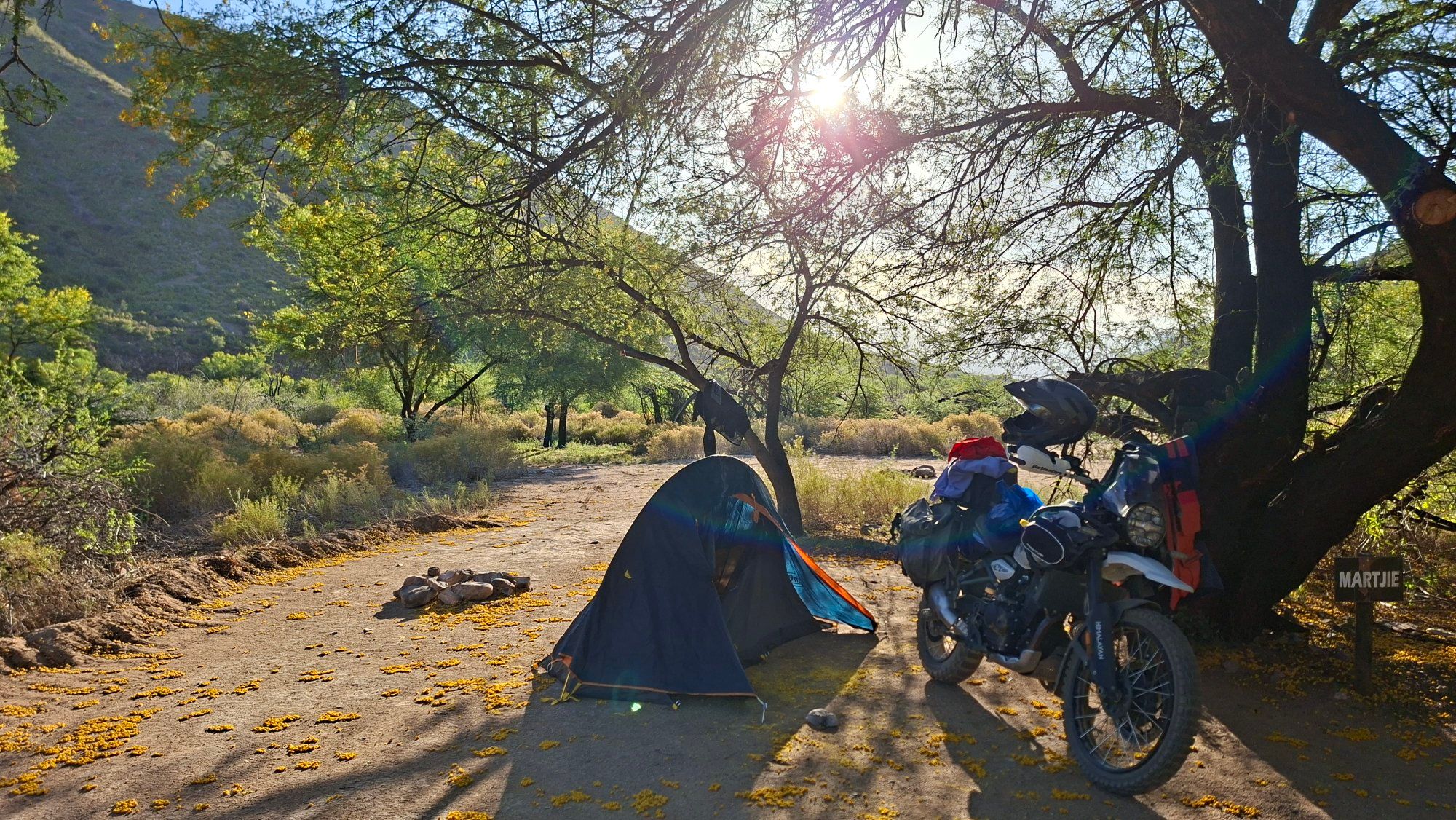
The first time it took me by surprise properly was on Bain’s Kloof Pass. Everything up until that point was really good, but expected based on my test drive and the reviews I’d read and seen. Bain’s Kloof is my favorite piece of tar in the country, and I know it really well, so I started pushing a bit. I thought I was pushing my luck too, then found to my immense joy that this bike is really good in the twisties and properly flickable. Even on the Motoz knobbly tyres. I hesitate to use the term ‘Motard-like’, but it genuinely just stuck in the lines I planted it in, with the motor’s low end just pulling you out of each corner with a lovely airbox roar, before using the wide bars to flick over to the next line. It was an absolute riot, and not something I expected from what most pundits reviewed as the ‘relaxed’ small adventure bike.
That’s a theme that came up repeatedly over the next three weeks. It’s breadth of talent is a bit mind-bending. It has no business being that good on Bain’s Kloof, yet making the descent into Die Hel that easily two days later, and then blipping its way up Bastervoetpad Pass three days after that, it is.
It’s equally comfortably knocking out a 7-hour tar slog from Underberg to Gauteng in the rain, and barreling down the Rooiberg-Assen road at 100km/h last week after single-and-jeep tracking in the sand around Skilpadshek all-day the day before. Then it made me giggle on my daily commute to Braamfontein on Monday when I had to take it in after forgetting to put my Husky on the trickle charger before I left.
It is a bike that is genuinely good at all of it, and genuinely good fun doing so – and it doesn’t bite you when you find its limits, which I did twice.
Is it the best at everything?
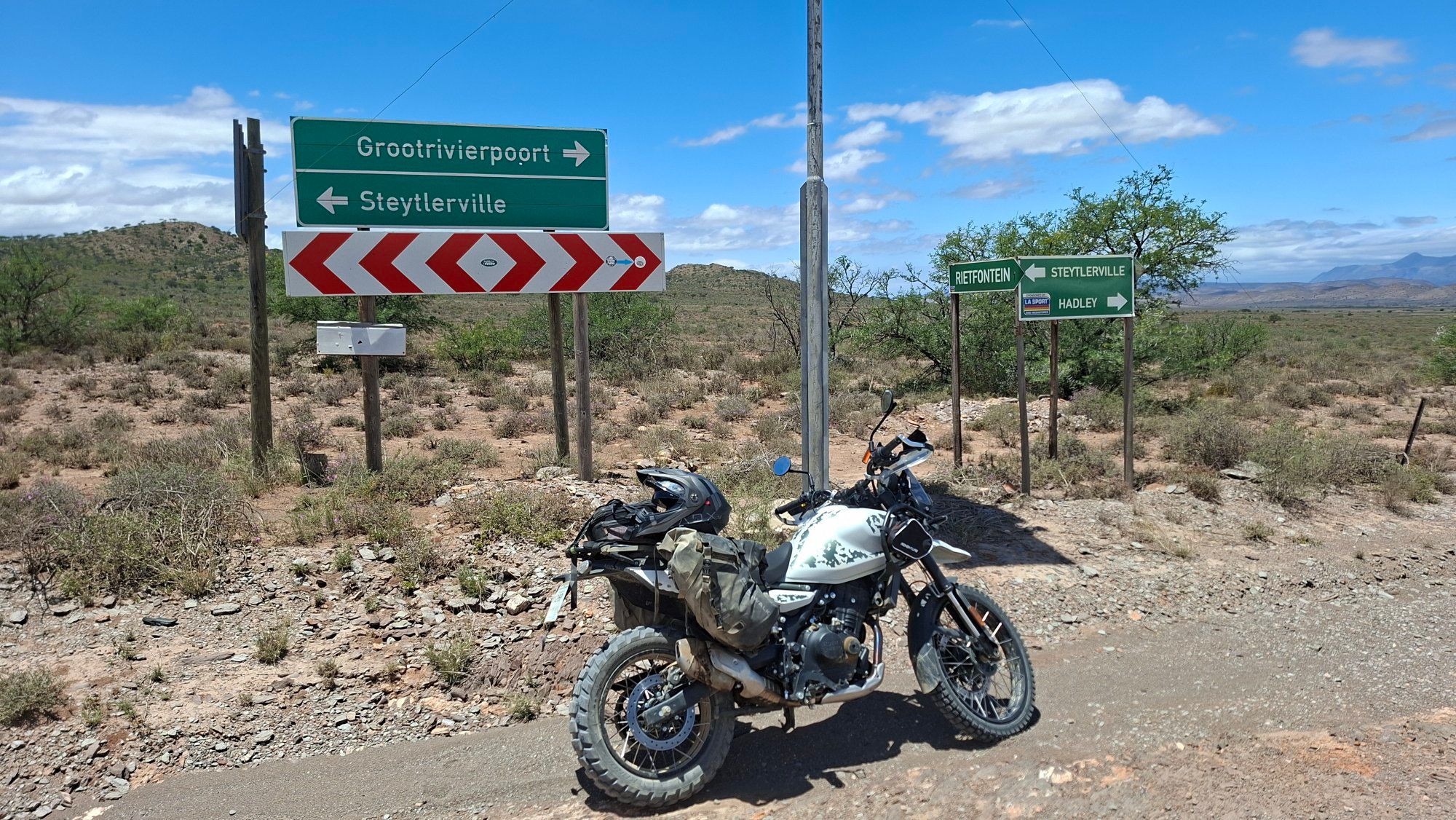
No, not even close. I wouldn’t race a KTM 390 Adventure R down the Assen road, it would clean the Himmy’s clock, but perhaps I wouldn’t want to be on the KTM from Underberg to GP on the N3 either – I’d be crying from sore joints by Howick. There are bikes that do specific things better than the Himmy, but few that do as much as well.
It’s got a great little engine. My daily is a Svartpilen 401, and you have to rev more to avoid cutting it out. I rode Rob’s 2025 390 Adventure R the other day, and managed to stall 3 times on the jeep tracks below his house, so it’s the same story there. Sure it’s exciting for a little bit, but then the constant business gets tiring and that’s not fun on long days. Adventure riding is not all single-track all the time, often its chill dirt or tar cruising, and some engines don’t doesn’t chill well.
The CF Moto 450MT motor I liked, but you’re still using liberal amounts of clutch when you’re down low. The Himalayan 450 simply has more chug, making activities like tractoring up Jericho Rock easy. Not LC8 levels of torque mind you, it’s still a small motor, but its well suited to the breadth of circumstances that adventure riding encompasses.
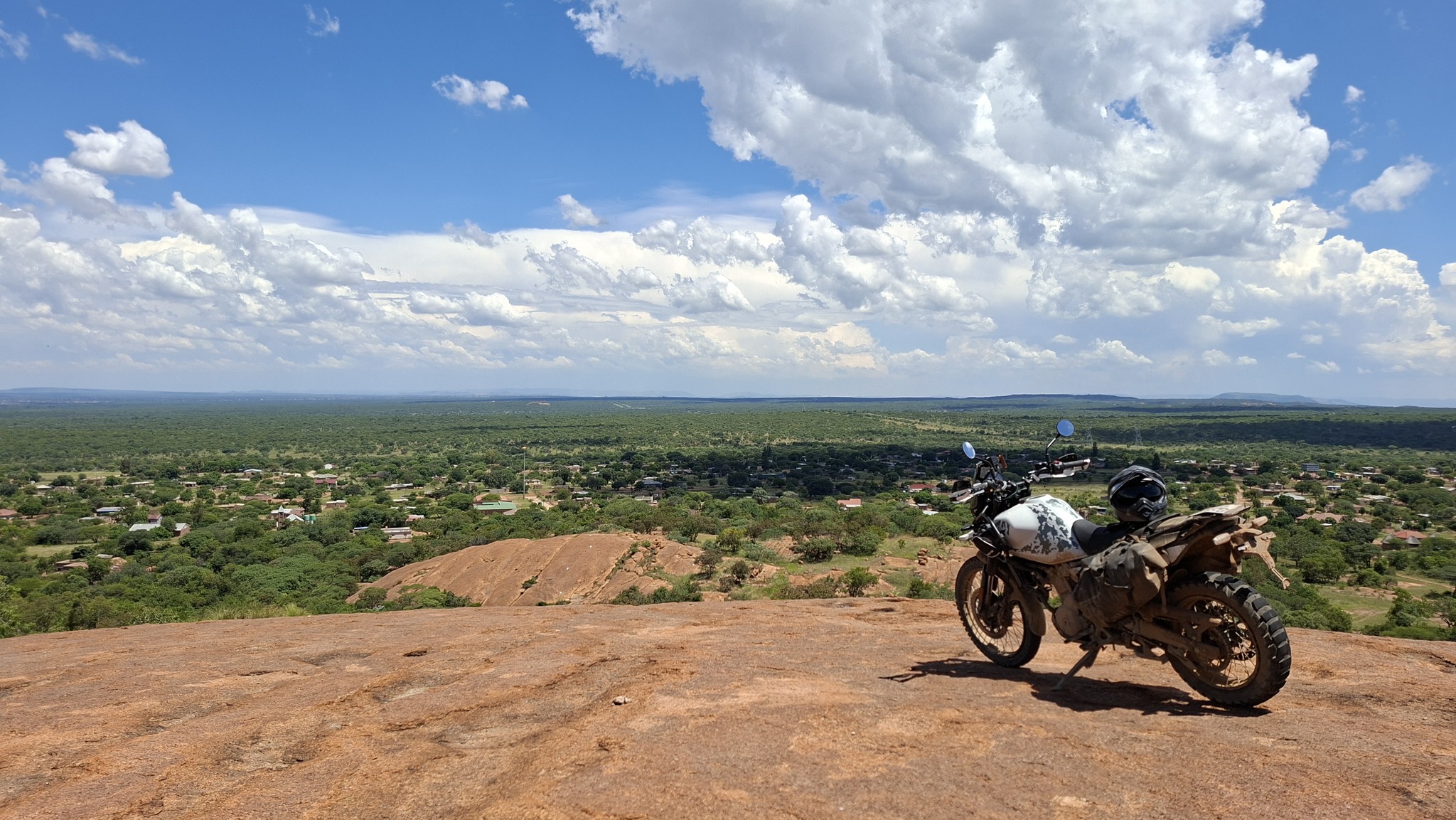
Also, after a couple of long tar stints at 120km/h, I didn’t find any intrusive or unpleasant vibrations that often get associated with single cylinder bikes. Certainly no numb extremities…
Speaking of 120km/h, the bike will happily cruise there with my 108kg frame & full luggage on board, and yes, the bike does get thirstier at higher revs (as most bikes do). But even then, it’s still well down on what my 1090’s average consumption is, so it’s not an issue in my mind.
In general the fuel consumption is very impressive, which makes going riding cheaper so you can go ride more.
10 000km service intervals keep the ongoing ownership costs reasonable, and a 3-year warranty shows that Royal Enfield in South Africa are prepared to back their products. Not that I think they need to so far, this bike is one tough cookie. I did the post-December autopsy yesterday, and after a power wash all I did was clean the chain & fork seals and she’s ready to go for the next one. Not as much as a bolt needed tightening, and those border tracks aren’t gentle.
And that’s one of the silent benefits, the Himalayan has a bit of a Honda / Yamaha reputation when it comes to reliability. It’s not something that ever crosses your mind, and you never doubt for a moment it’ll get you home. And I think Royal Enfield making the change to liquid-cooled for this bike was utterly necessary & beneficial. Not for the sake of power, just adventure – the number of times we pulled up the 450 & the T7 on the border for a break and both bikes’ radiator fans were humming, it just takes care of the engine more and that lends itself to even better reliability. Apologies to the XR owners & doomsday preppers, I think water cooling is a good thing for adventure bikes!
Then there’s a bit of online noise that needs to be addressed. Regarding weight, this bike is 192kg with 90% fuel on board which will get you 400km. As far as an adventure bike that you can load up with luggage for a week and go away on, that’s light. The lightest? Who cares, there is more to adventure riding than just weight. What’s the point of the lightest bike, that you then have to add 10kg of accessories to before you can take it across country? Most of the competitors are quoting wet weights, but with no fuel, so there’s a fair bit of bullshit & skullduggery in the space too. The Himmy FEELS light and manageable in tricky terrain, and for a bike with globe-trotting credentials I honestly think that’s commendable.
Regarding the lower footpeg placement, yes you can feel a rock rattle off them occasionally in technical terrain, but this never increased risk and never stopped me from getting it done. You always pick appropriate lines for the bike you’re riding (Keep the cylinders away from rocks much with a GS?), so you just keep the lower pegs in mind when picking lines. It still has 230mm of clearance, which is more than the bulk of the adventure class, so to whinge about the peg placement seems a bit like a dog whistle for social media clicks to me.
Yes I klapped them here & there, no it wasn’t a problem.
I haven’t spoken much about tech, because there isn’t much and I don’t care for it much anyways. The screen is very pretty & clear and tells me everything I need to know. I haven’t used the app, because I use my phone for navigation & any connectivity I need. The ABS works great on the tar and commuting, and it’s only one-button to turn off when you head off the beaten track. Yes, it resets if you cycle the ignition, so I just use the kill switch when taking breaks. There is no traction control, it doesn’t make enough power to need it. It’s all pretty simple, what’s there works well and is largely unobtrusive.
That’s really the story with the Himalayan, it all just works. Nothing about it is particularly class-leading on paper, but the experience genuinely is. And doesn’t it look good doing it too?!
Everything you need, nothing you don’t, now go find your adventure. It’s a bike that will get you there, and will also be really fun when you arrive.
That the design brief, yes?
Well, that has definitely been my experience, so Royal Enfield nailed it.
The local importers have nailed the local price too, starting at R105 000 for the tubed wheel models. 5000km in, it has kept all its marketing promises & I haven’t found the catch yet.
‘Nuff said, really… If you found this useful or entertaining, please visit https://www.facebook.com/random.ADV.za or https://www.patreon.com/c/random_adv for more ride reports & uninvited opinions from a very average South African adventure rider…