The marketing man from Beta South Africa gave us a call the other day:
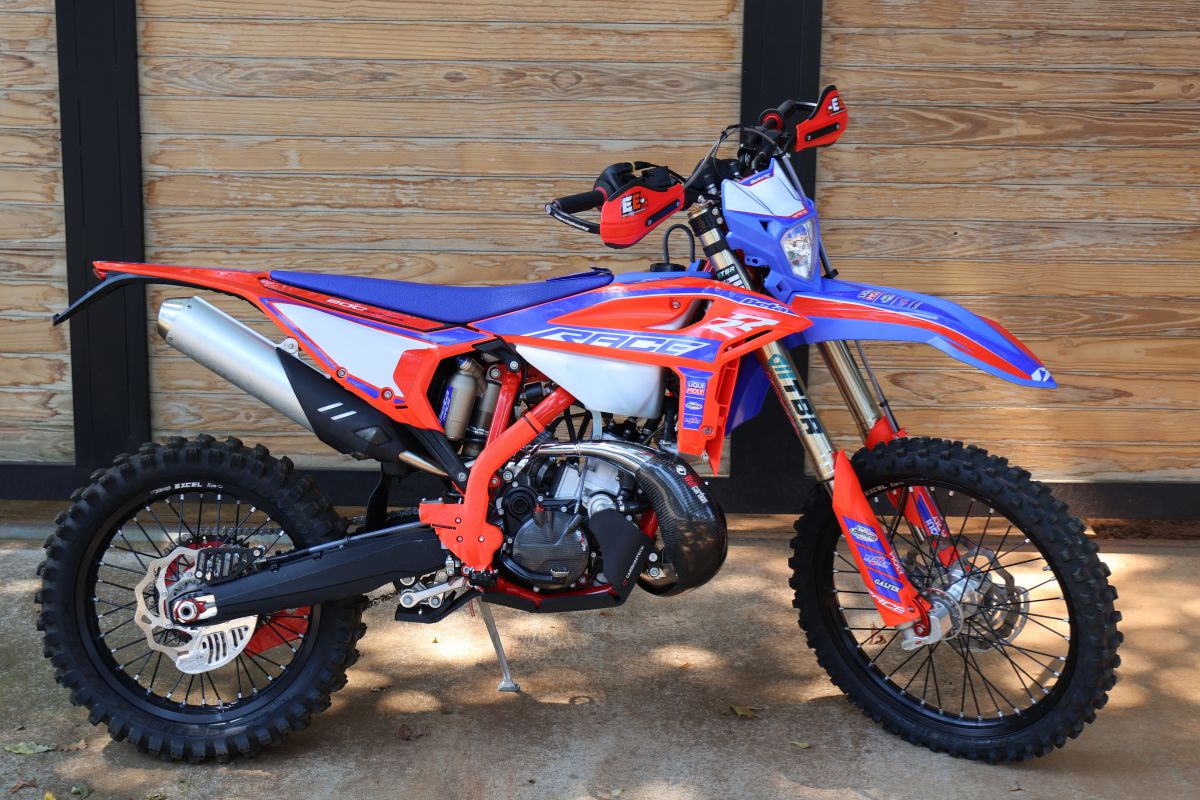
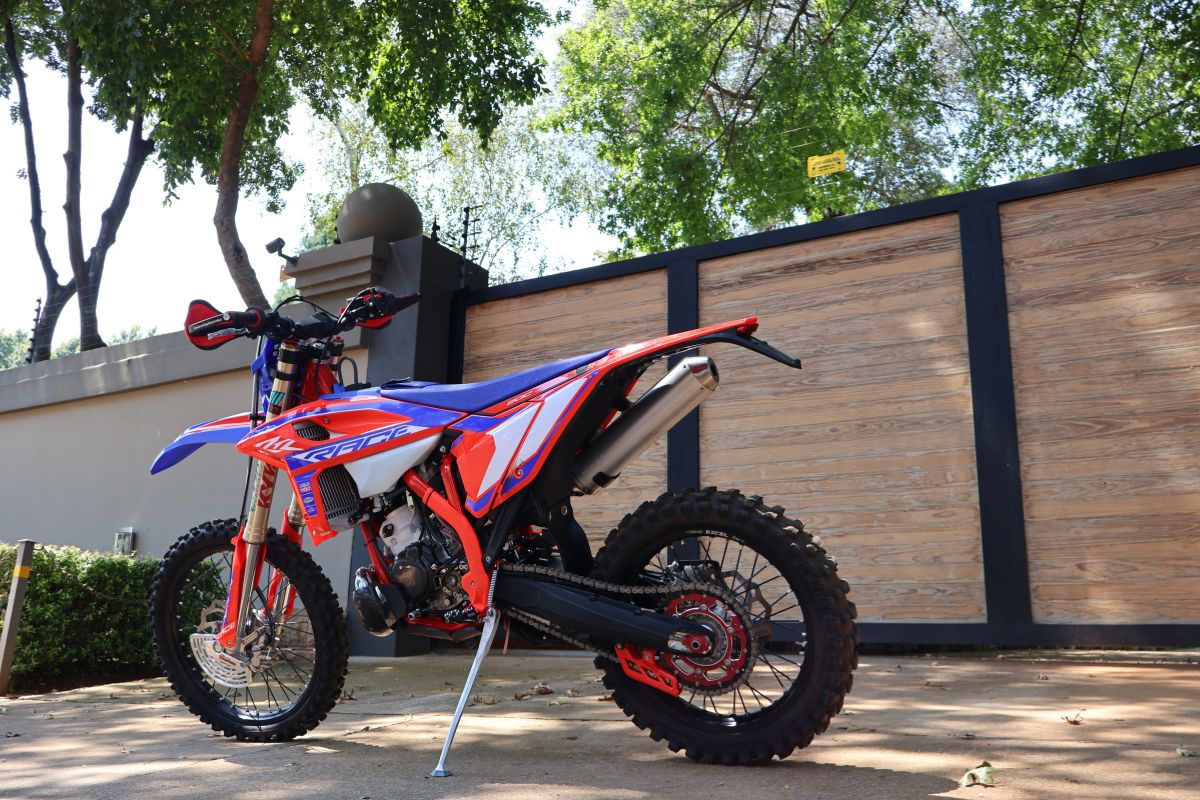
“Chaps! There’s a virtually new Beta 200, that’s dressed to the nines and ready for hard enduro standing at Speedhut. How would you like to take it out for a spin?”
Well, we are a dirtbike publication after all, so well alright then. We grabbed it and put the bike through its paces…
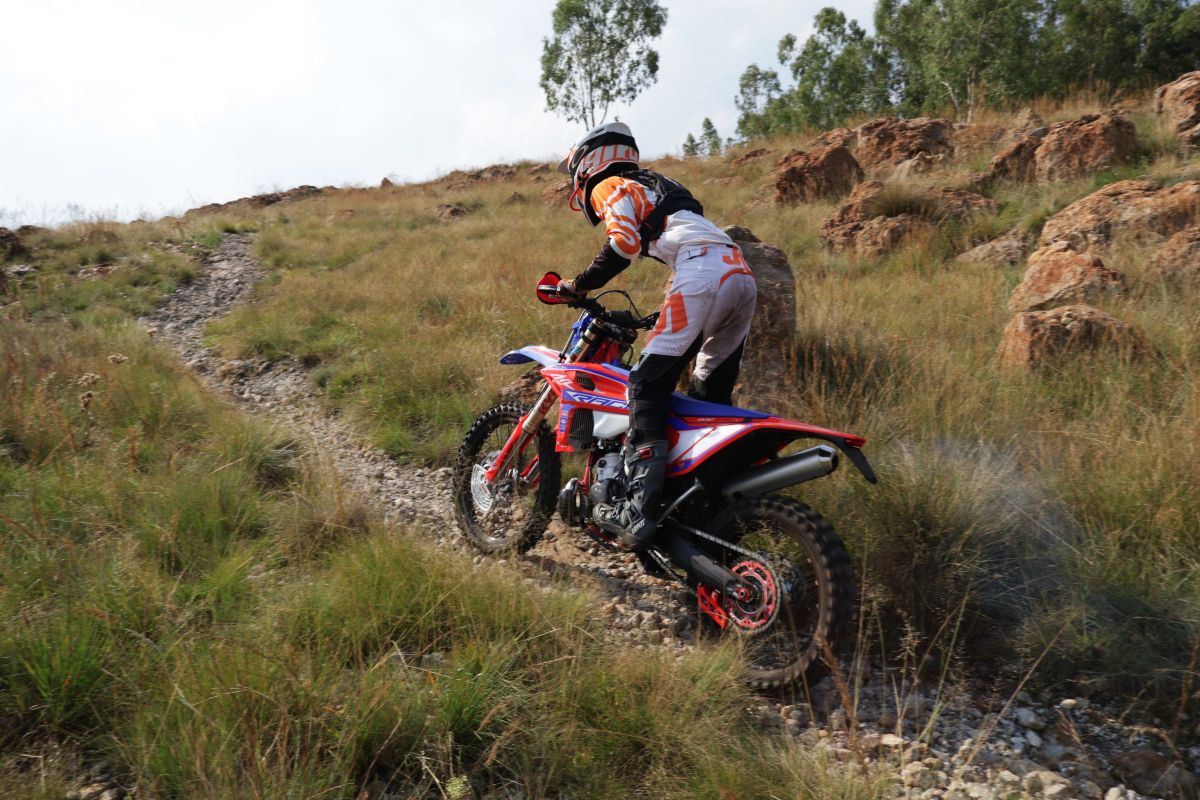
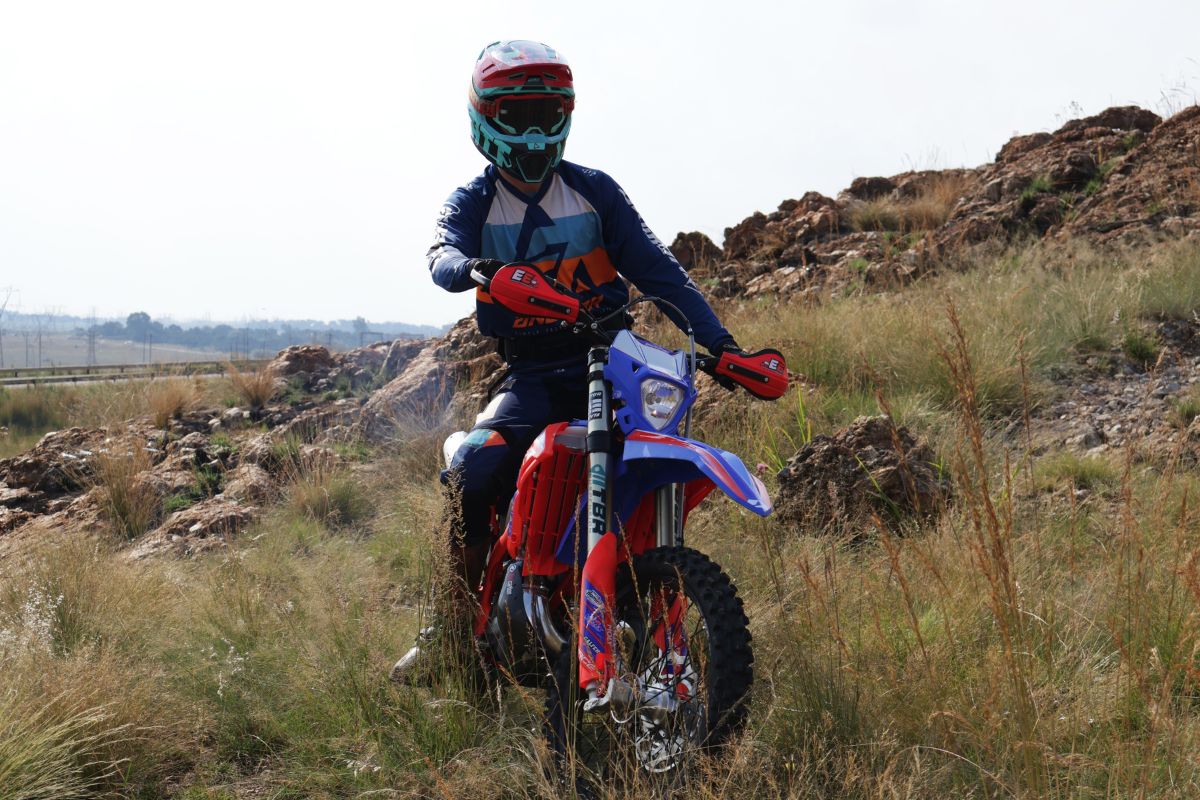
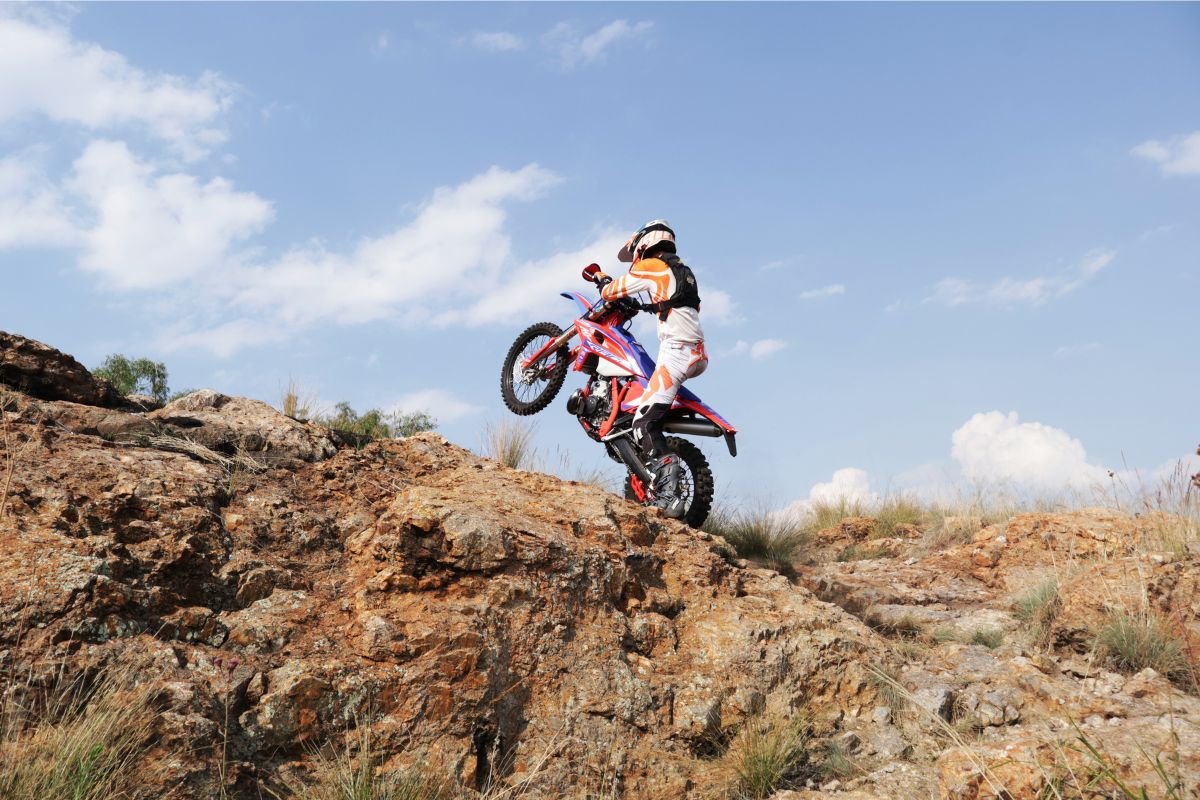
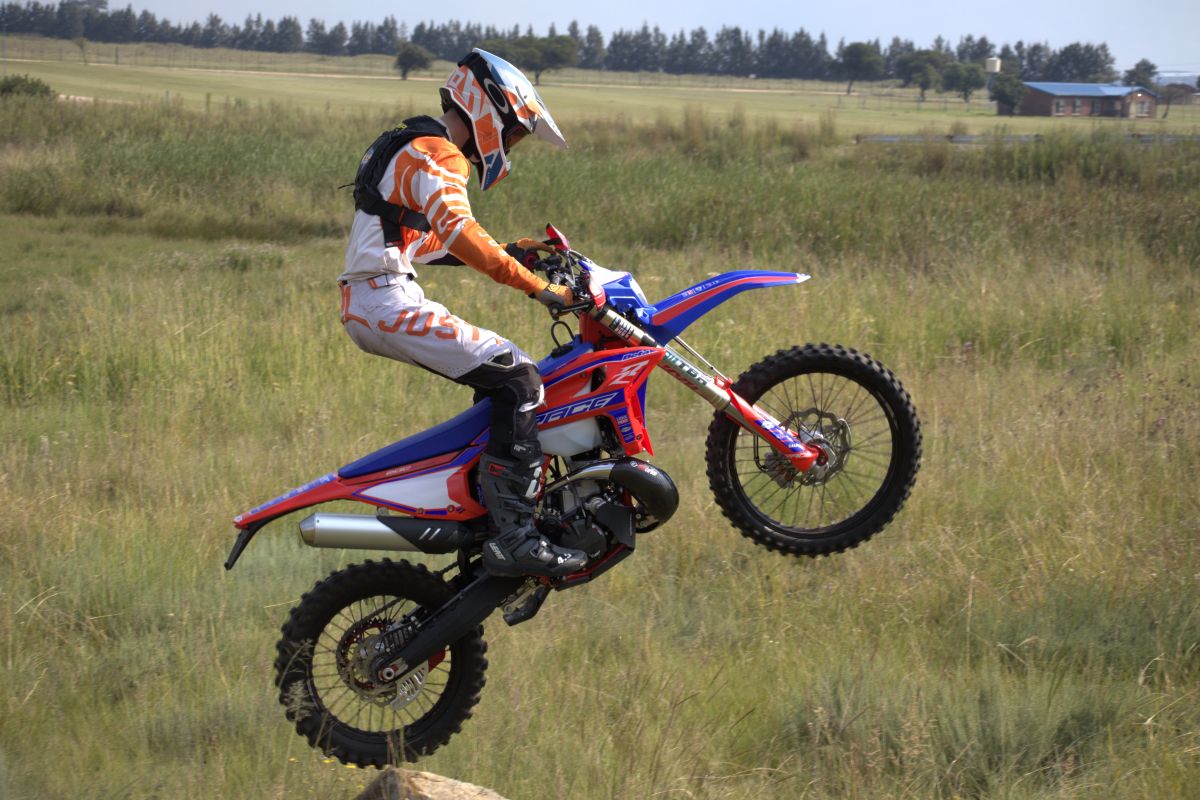
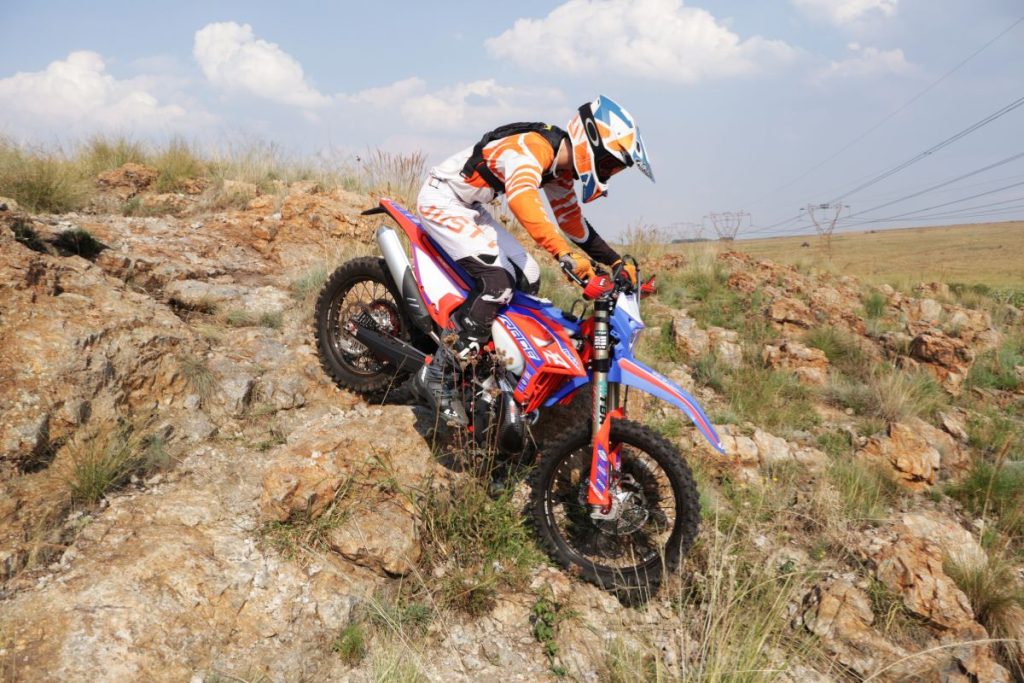
In addition to our usual motley crew taking a ride, we roped in the skills of young Malan Prinsloo, a silver class rock hopper who has moved from a 150 to a 300 to share his opinion on the bike.
He came back gushing about just how easy this bike is on the rocks.
Why a 200?
Well that’s easy to answer. It’s the perfect gap-filler in the jump from a 125 or from a 150 to a 250. For bigger built youngsters it could even fill the gap from an 85.
It’s also a less manic bike perhaps, for riders who want a bit less wild while retaining the chug-a-lugg for the tech stuff.
Why did manufacturers stop making 200’s?
That question puzzled us a bit too – the 200 class was busy not too long ago – KTM had the 200 EXC, Kawasaki made the KDX – and if you are older than 20, chances are good that you owned or rode one back then – and we still see lots of these bikes being ridden on the trails.
The 200cc two-stroke vanished for a very long time despite its popularity.
Why? It might have started, at least in part because of government pressure. Back in 1990 the clever guys started asking manufacturers to clean up their offerings in what they defined as the off-highway vehicle category. The Japanese agreed to start serious cutbacks on two stroke tech, but the Europeans continued to build bigger, more complicated trail bikes. Competition bikes were exempt, so two-strokes and most other off-road bikes were eventually defined as race bikes.
The 200 was left behind simply because most racing organizations didn’t have a class where you could race a 200cc 2-stroke.
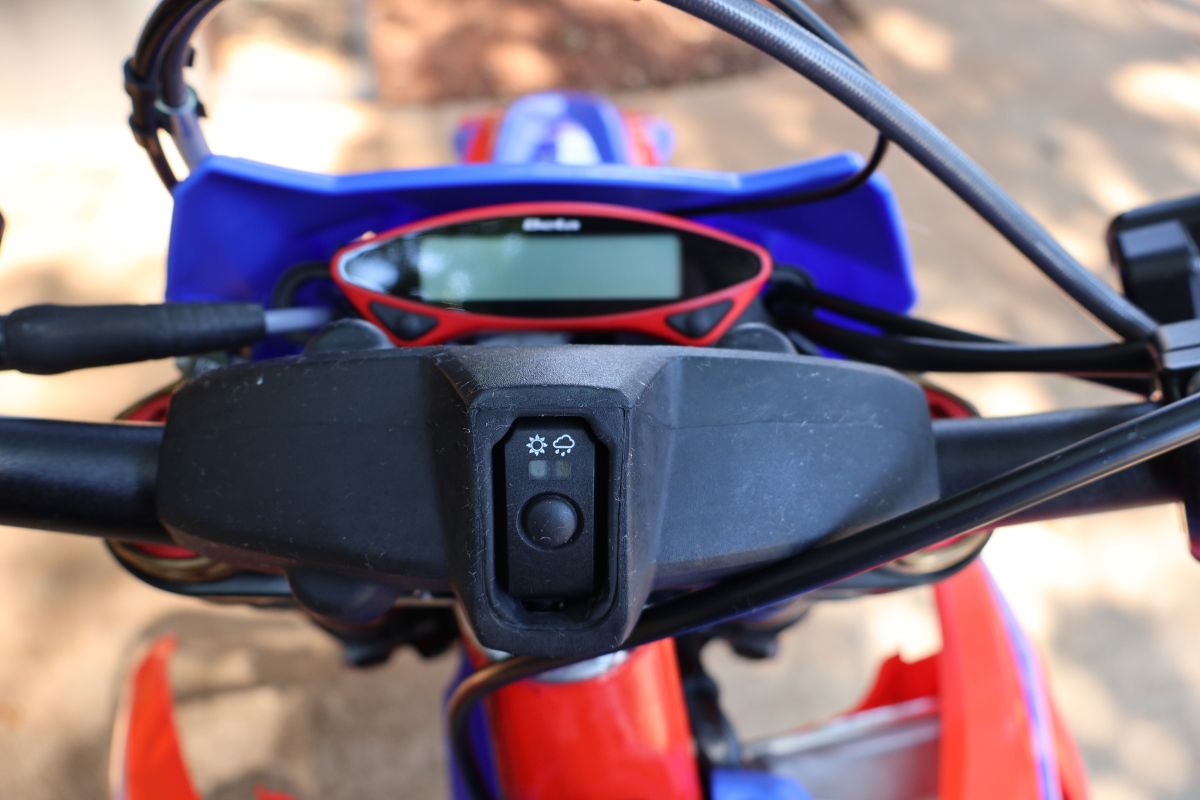
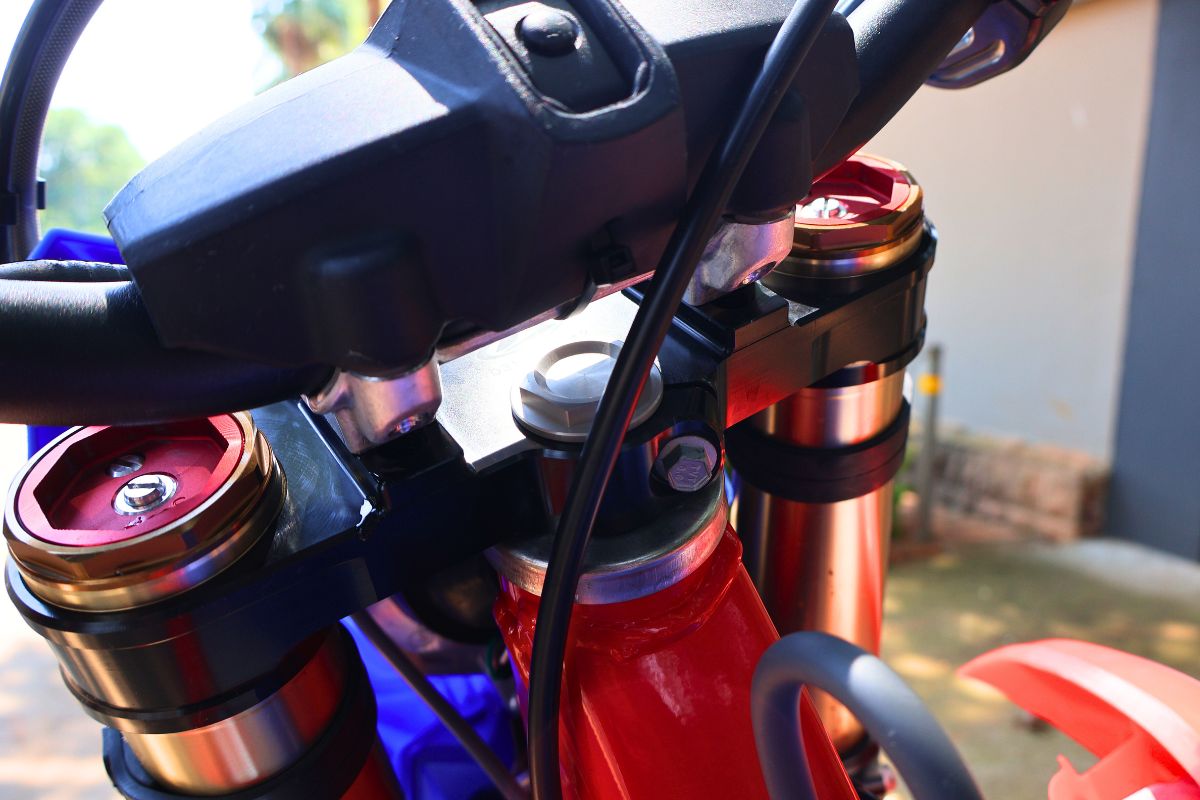
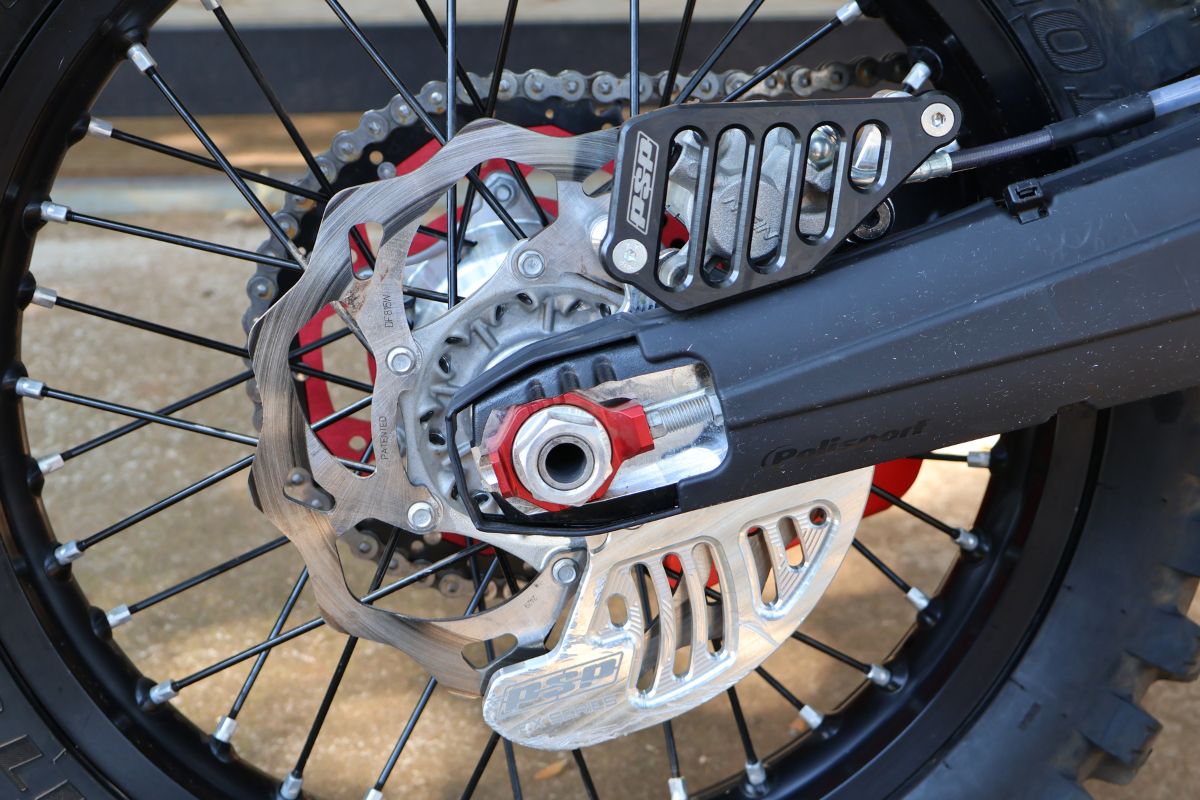
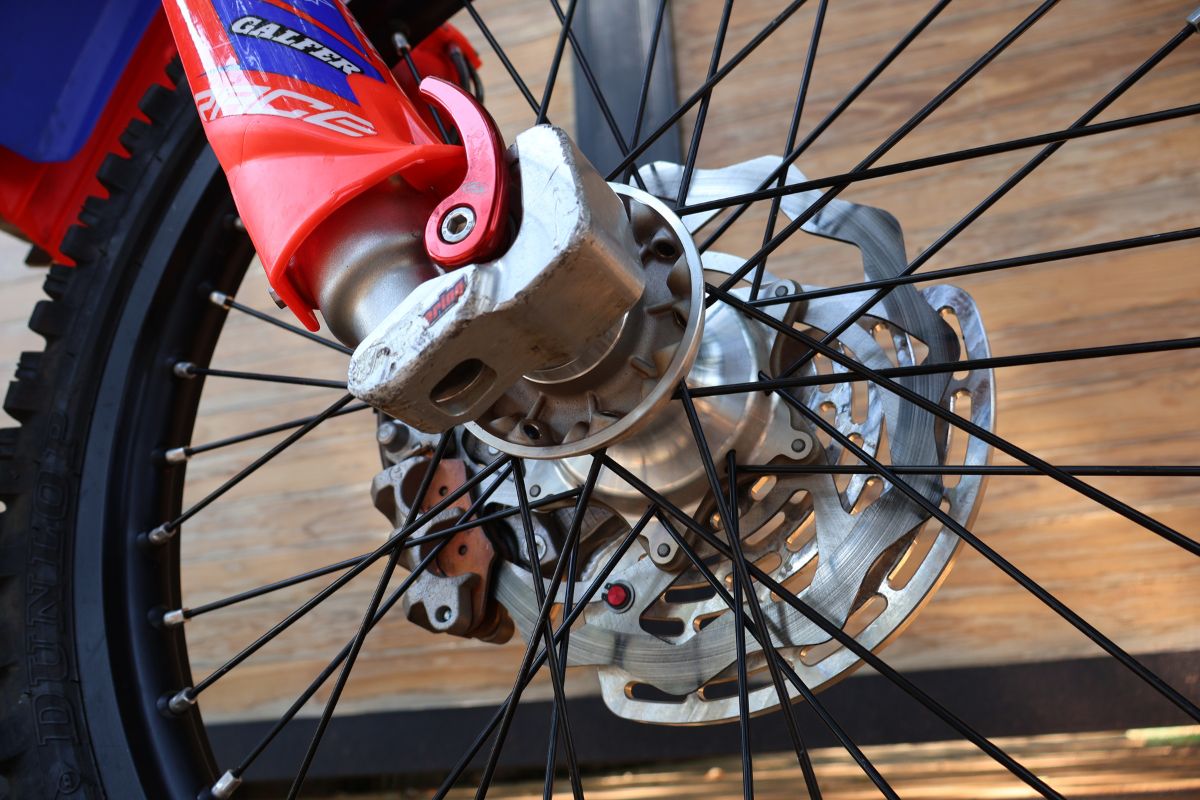
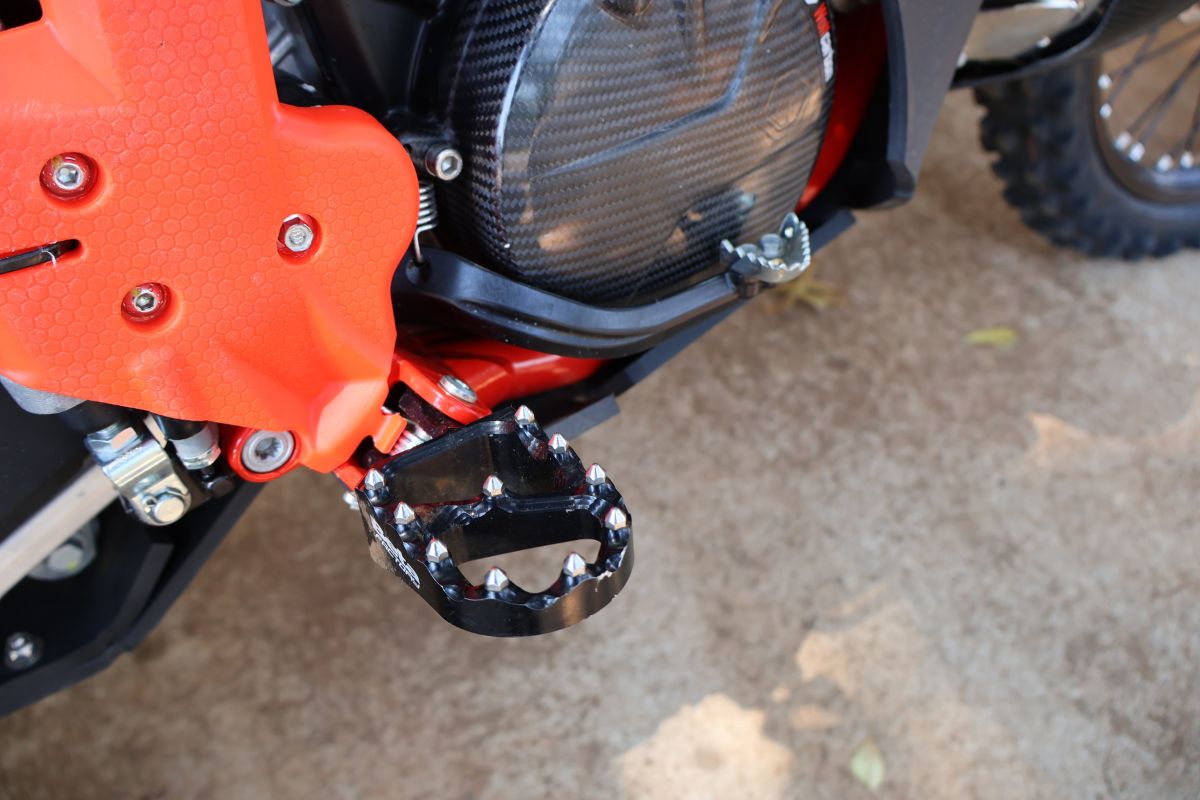
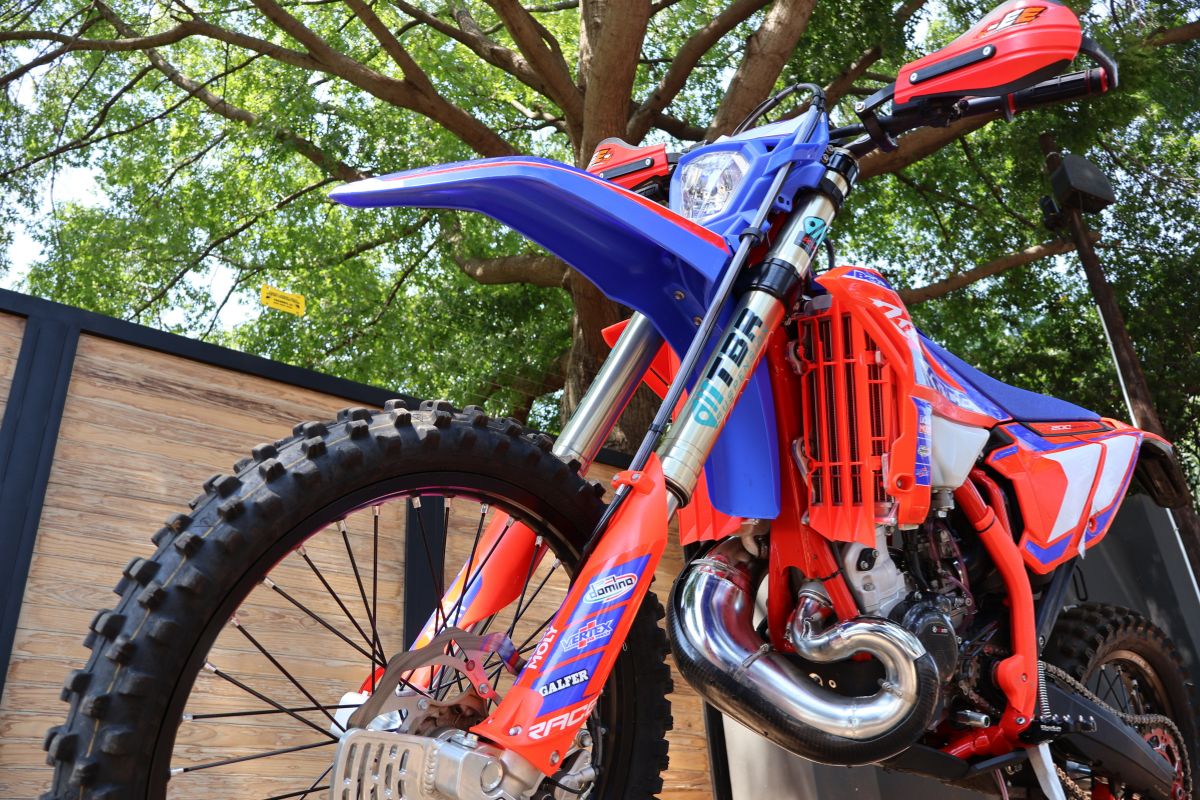
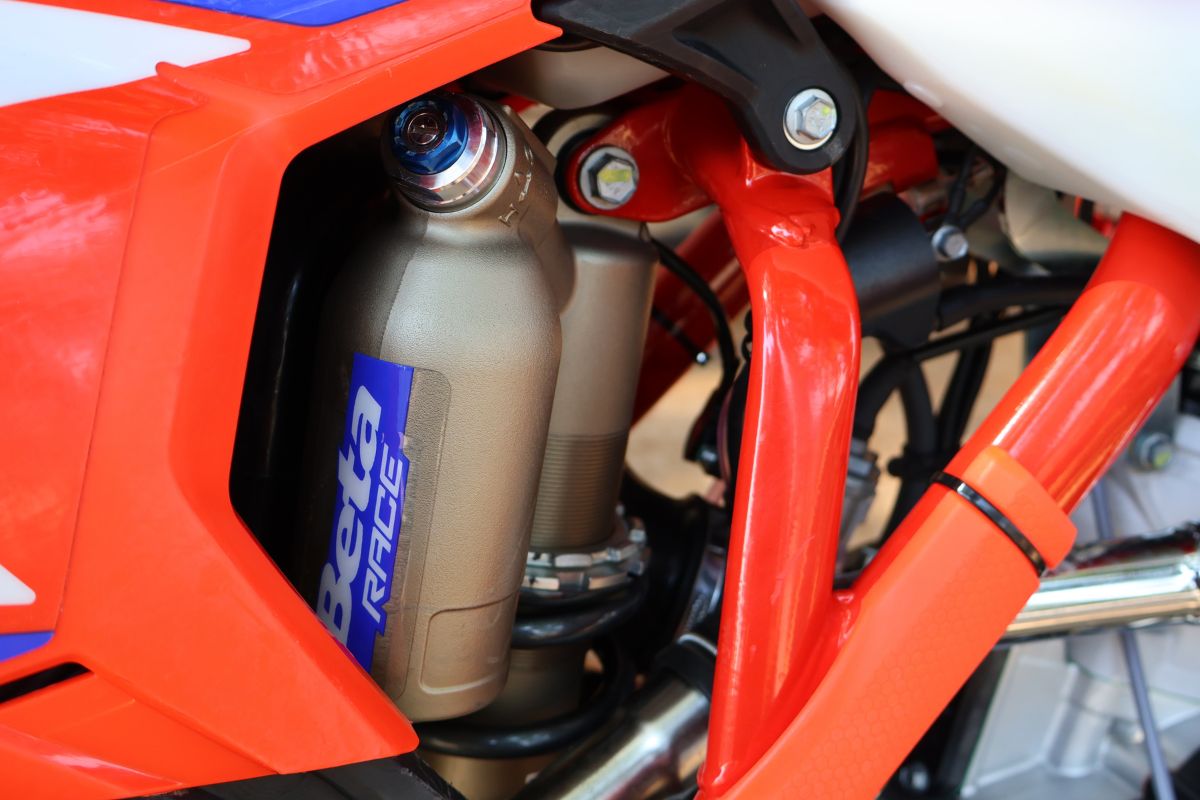
In 2019, Beta realised that manufacturers were missing a trick and they built their first 200RR, based on their 125, adding a happy button and oil injection. Since then, the bike has evolved quite a lot. The 200 RR now includes all the bells and whistles that you’d come to expect on a modern dirtbike – a mapping switch, top shelf KYB suspension complete with a linkage CNC triple Clamps. Brakes are by Nissin. There’s a quick release front wheel axle, wide pegs… the list goes on.
The guys from Speedhut sent the suspension components off to TBR for a bit of revalving and setup for SA conditions. We asked why and the answer makes sense. “In Europe, the 200 is popular for things like superenduro where you want stiffer suspension. We like a plusher setup for rock crawling, so the guys from TBR, who have a wealth of experience with harder enduro, set the suspension up for us.”
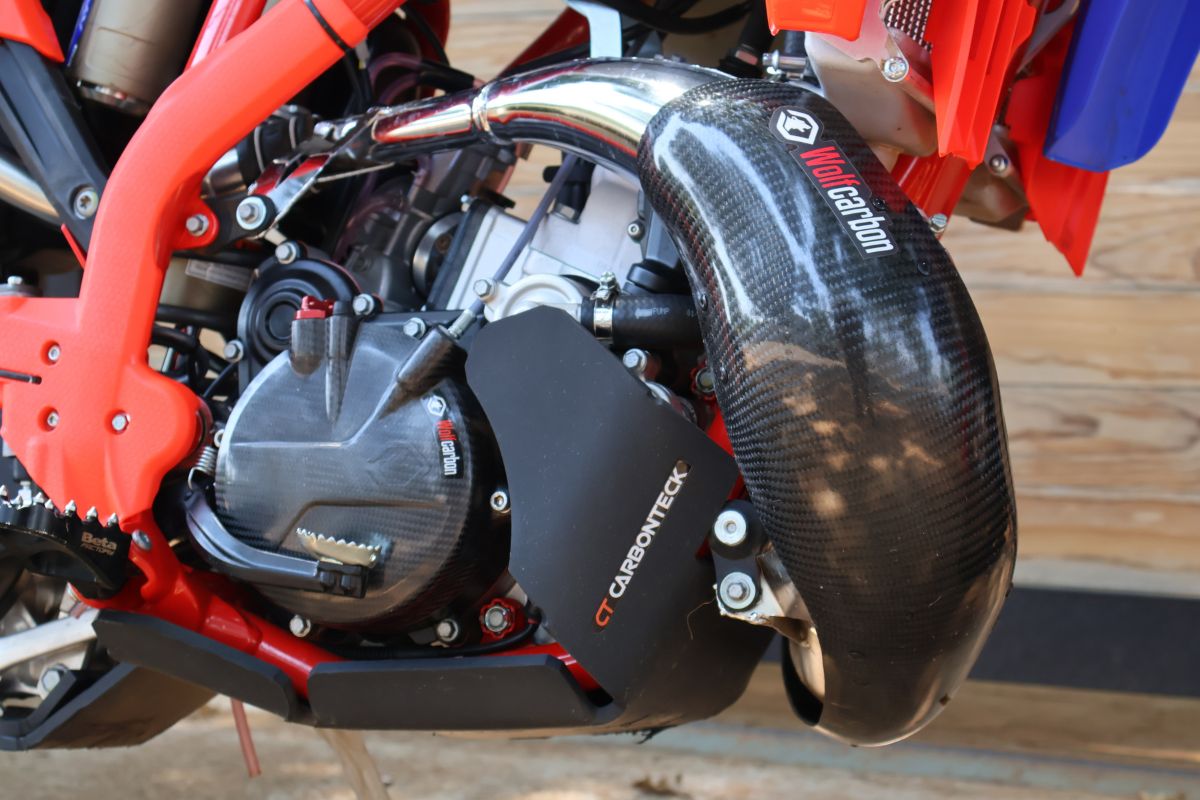
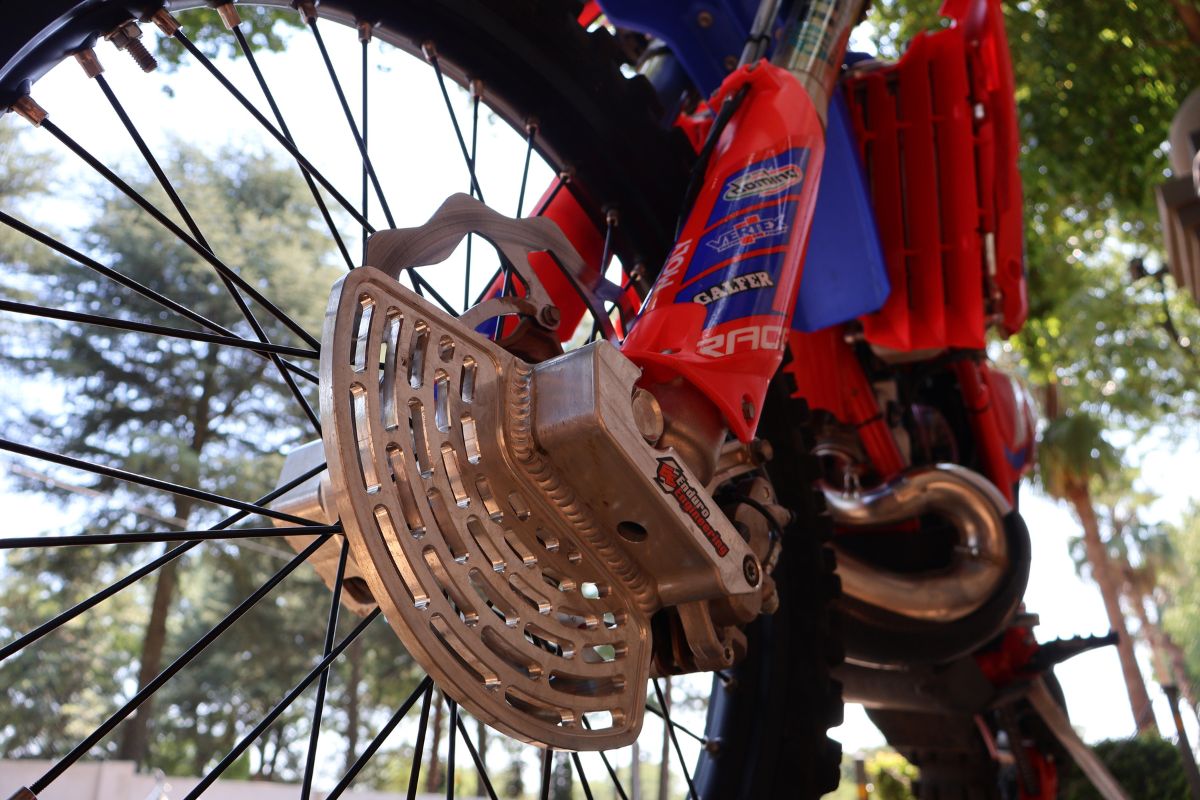
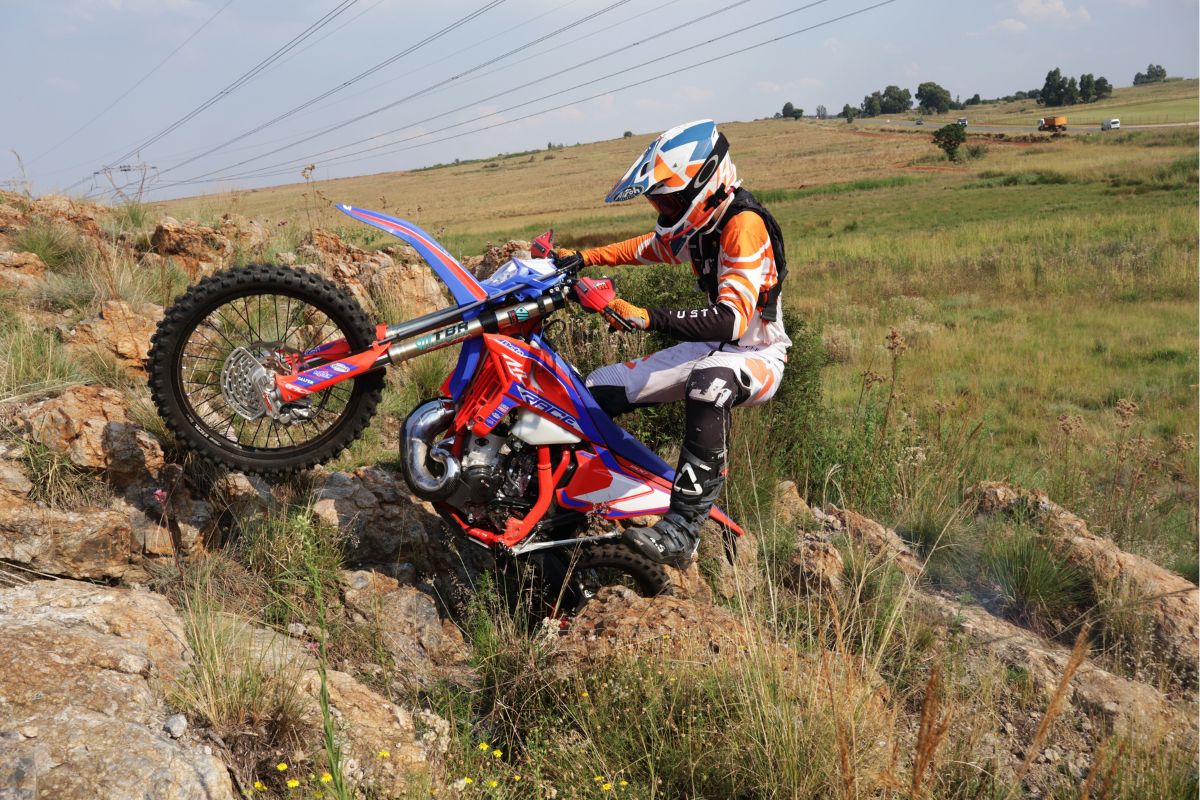
If you are going to bash around on the rocks, protective gear is a necessity. This one is dressed to the nines with aftermarket components from local and international manufacturers. Mousses and Dunlop rubber were fitted before we collected.
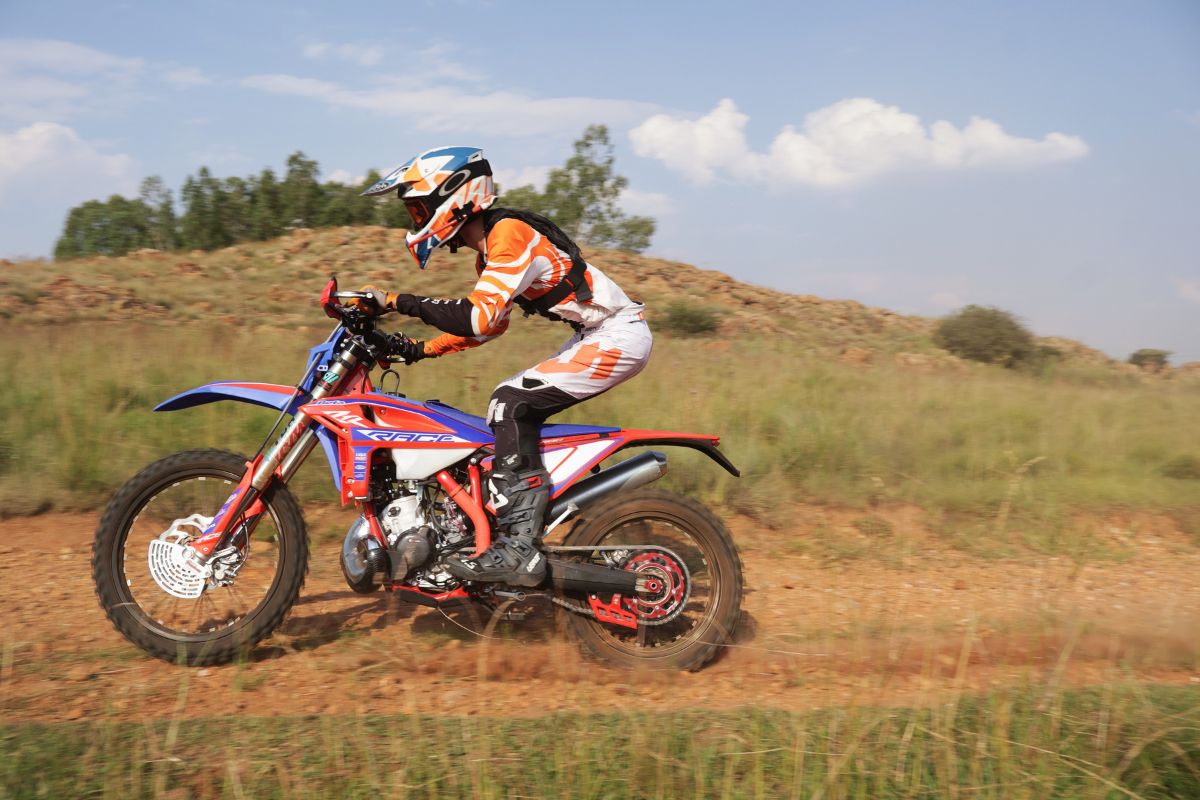
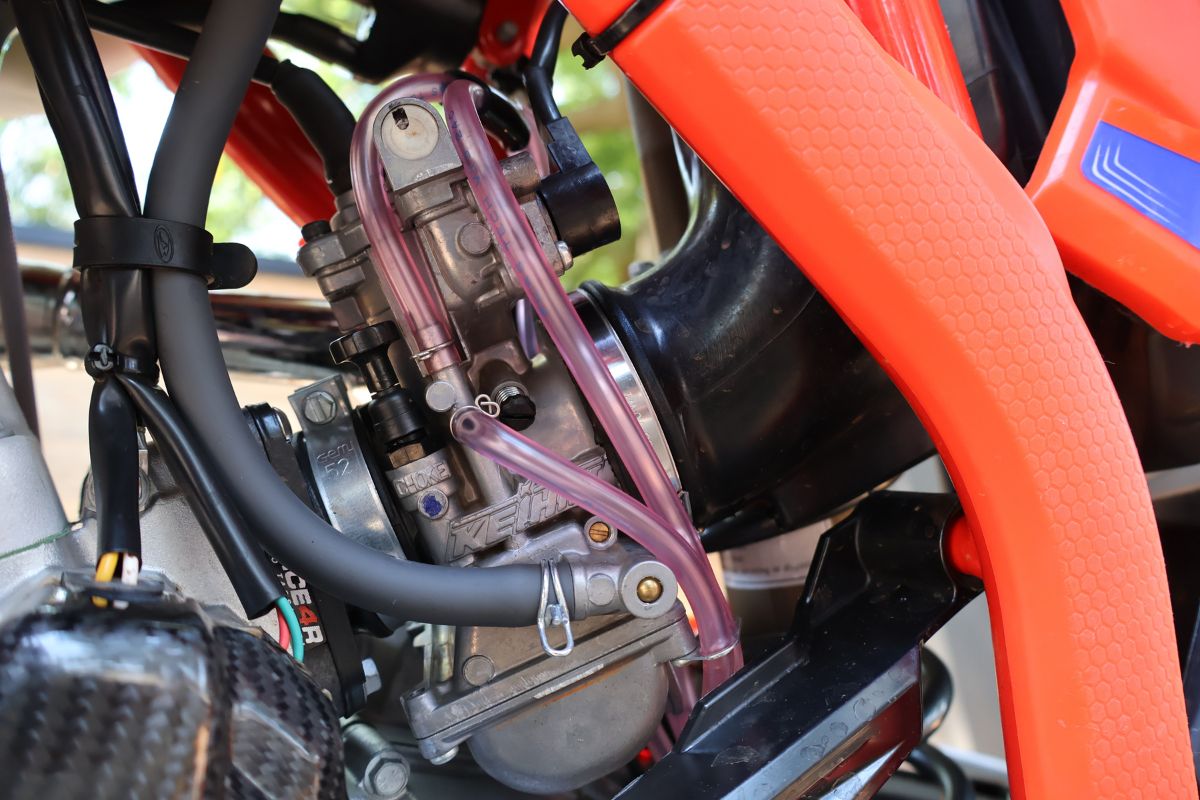
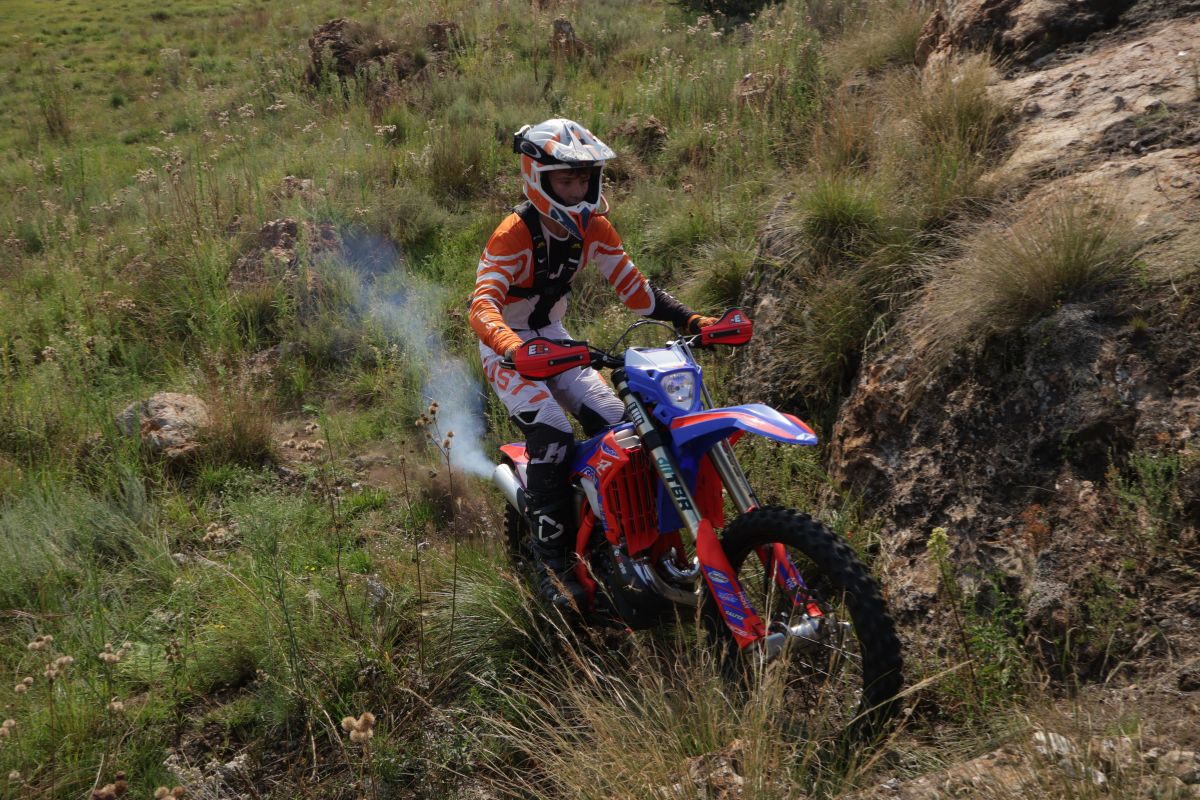
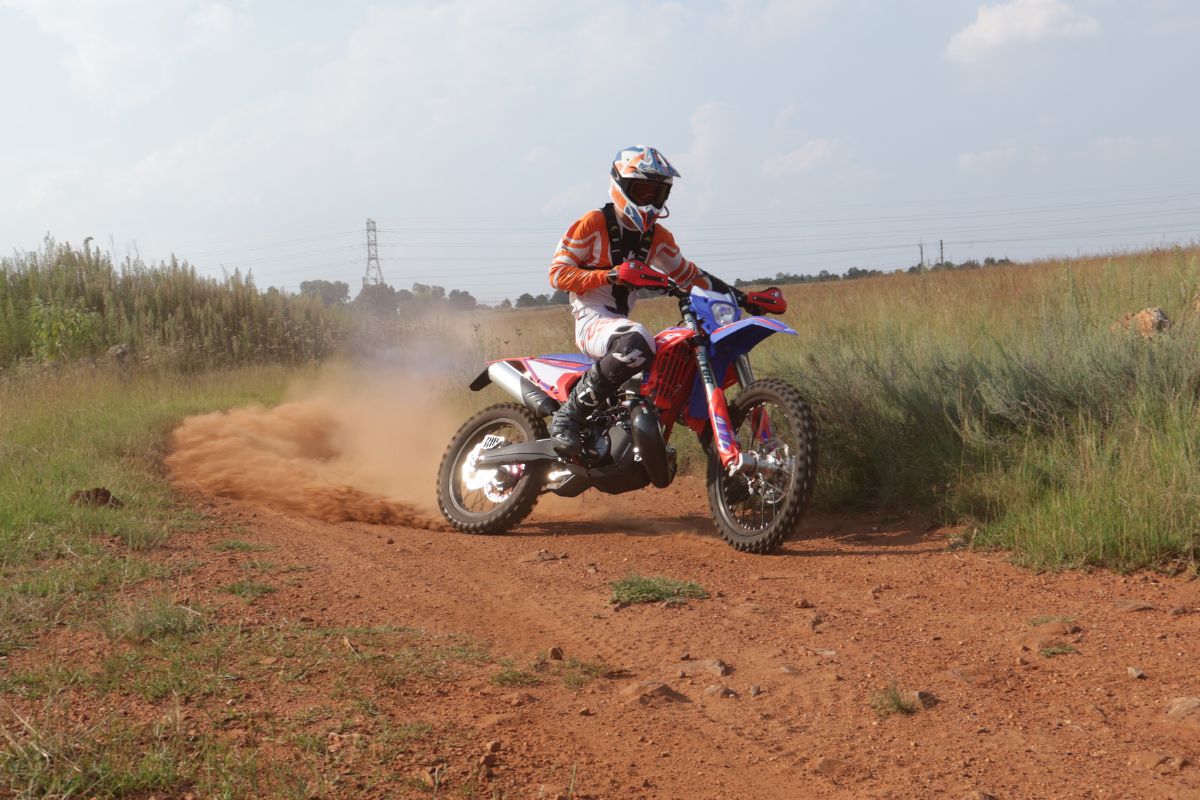
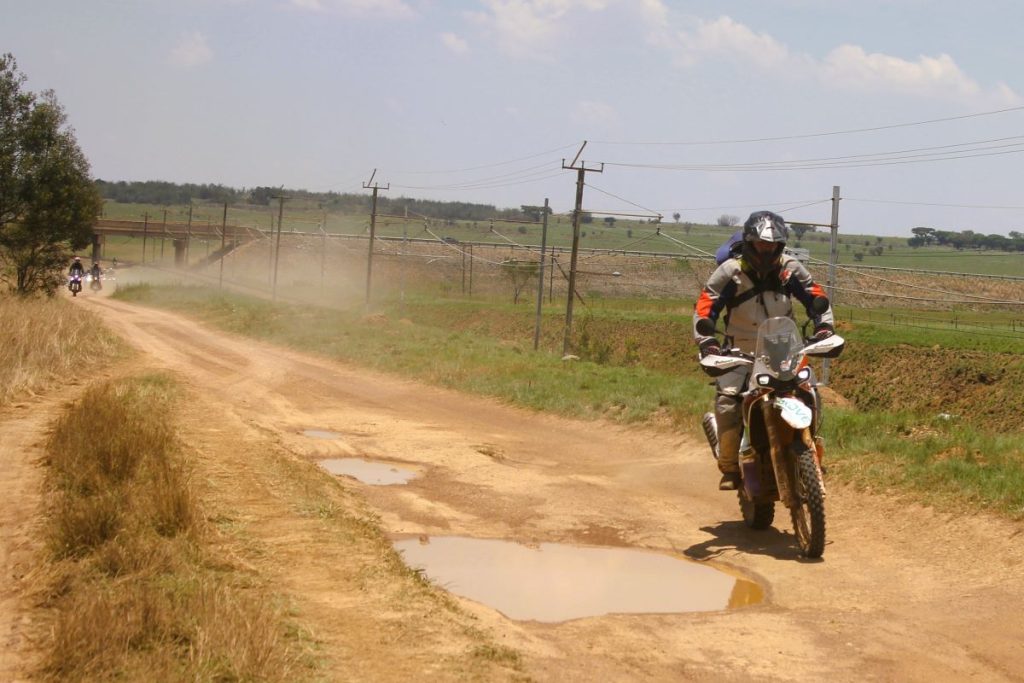
After pre-mixing the fuel (Yes she is pre-mix with a Kei Hin Carburettor) and filling her up, we tickled the starter button and pointed the bike out into the farmlands. The clutch is smooth, the throttle surprisingly responsive and shifting through the six-speed gearbox feels refined. We had Malan and Kyle who are both six foot something tall in the saddle and we also put some shorter shall we say “Ahem” more rotund guys into the saddle and it was a good fit for everyone
We get why 200cc two-strokes were so popular back in the day. The 200RR is a ridiculously good trail bike. It just makes everything happen so well, easily and in a linear fashion. The low-end power is calm, torquey and useable, it’s almost impossible to stall and there’s a lot of flywheel effect.
“What’s that?” You ask:
The flywheel effect on a two-stroke engine is the inertial momentum generated by the spinning ignition flywheel. It helps smooth out power pulses, prevents stalling at low RPMs, and improves traction by limiting immediate wheel spin.
A heavier flywheel makes power delivery more controllable for off-road and enduro riding.
This bike is aimed at low down torque and not top-end racing. Not to say that it’s slow, how fast would you like to go? But she feels more comfortable on tight, twisting trails – and of course, rocky climbs than racing around a mealie field.
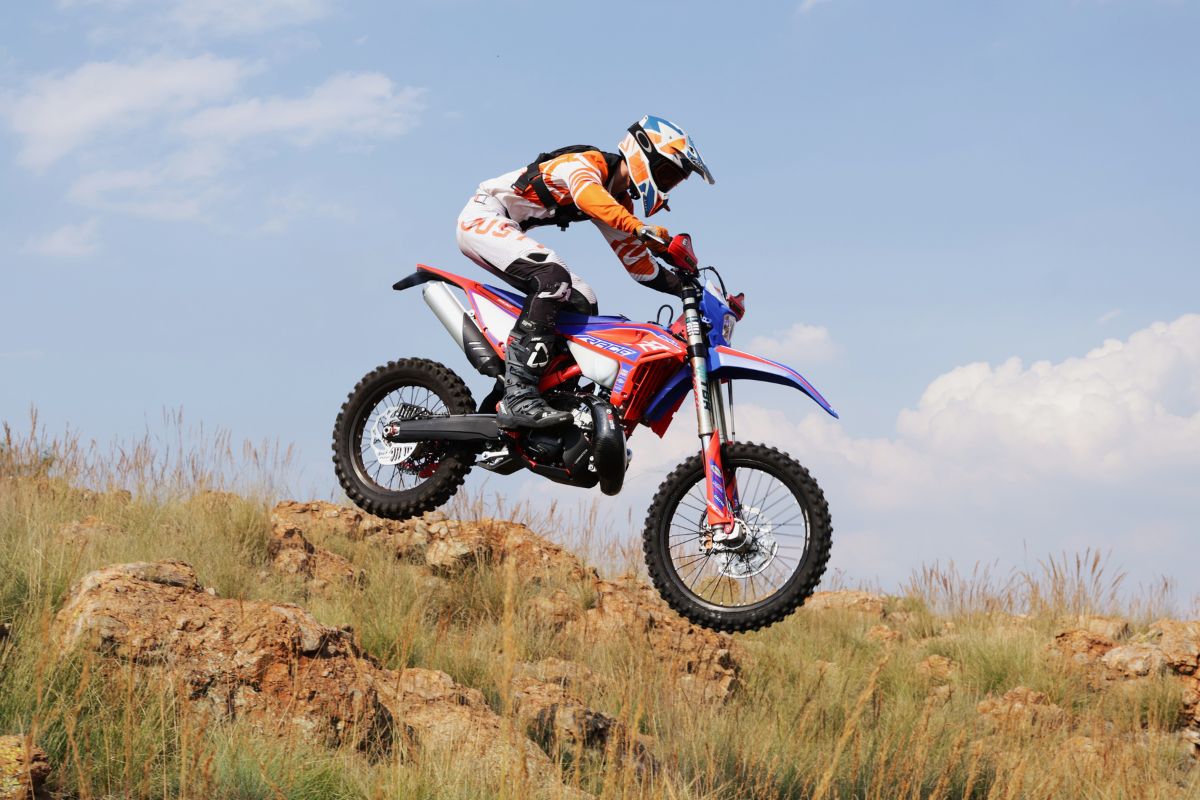
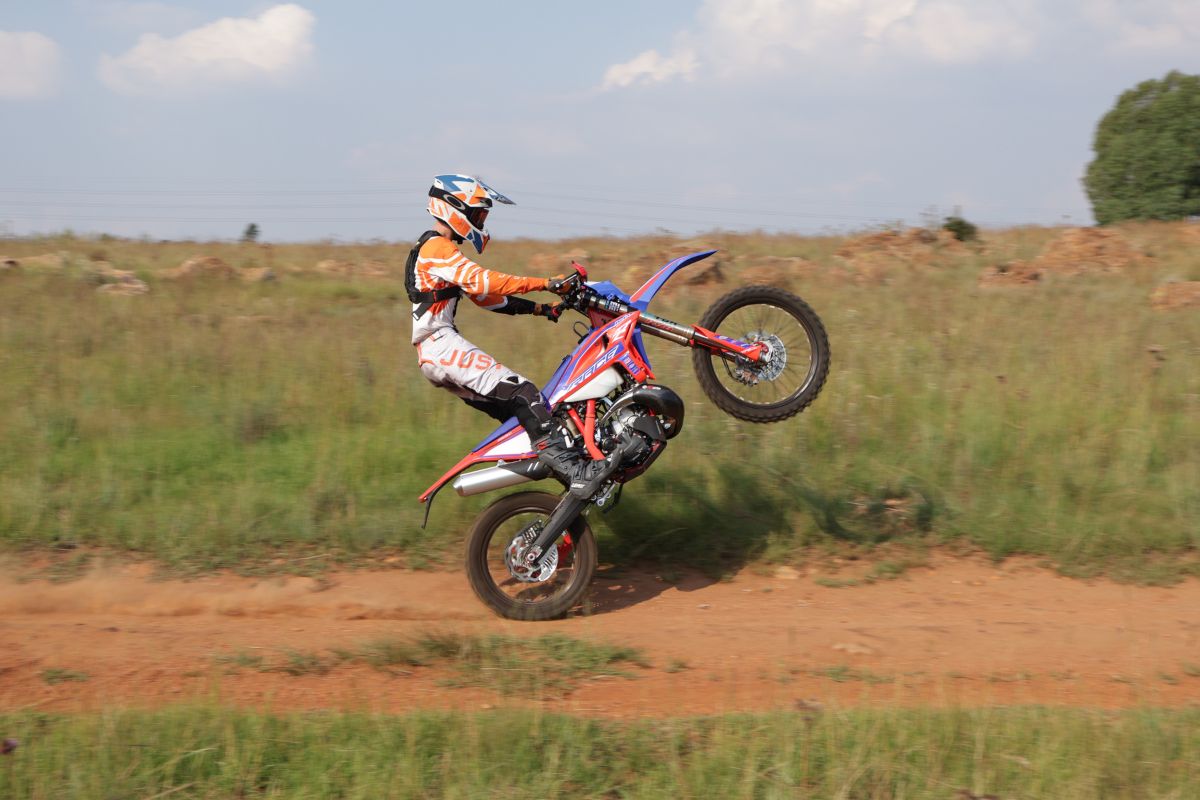
At speed, we were happy with the setup and suspension. There is nothing twitchy and we simply did not get out of shape. Weighing in at just over 100KG’s fully fuelled (Call it 105 with all the protective gear), it’s a really light, nimble bike to ride.
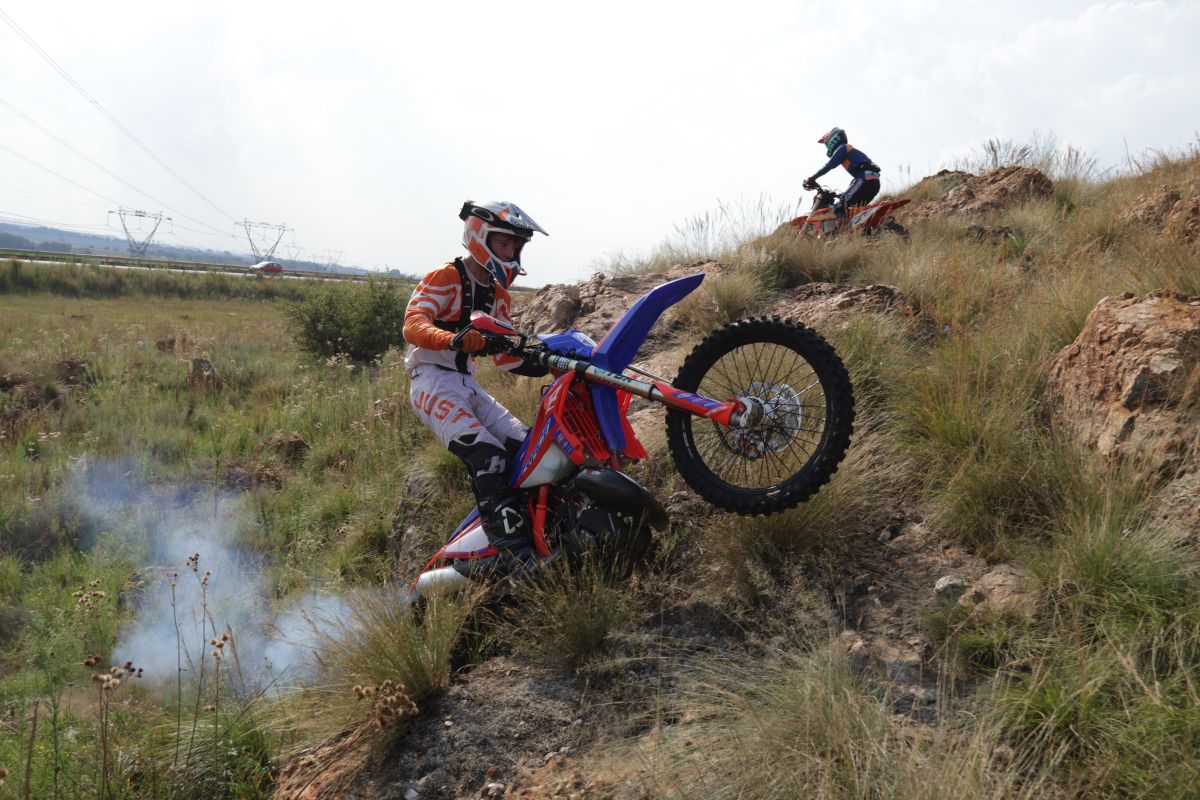
And that’s what you want when you hit the rocks, a bike that is softly sprung, not overly tall, weighs as little as possible and has torque to propel you up and over the step ups.
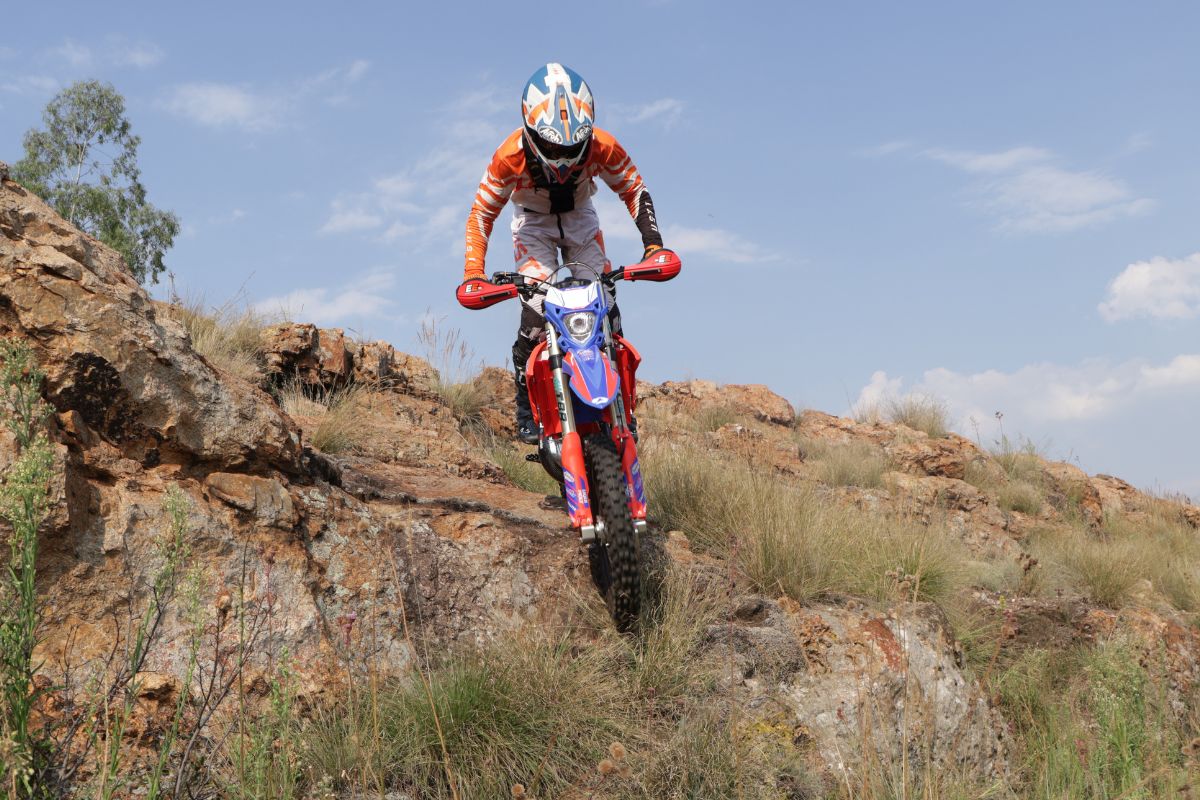
Young Malan was particularly happy with this bike’s ability to blip up and over the steps. “It’s easy to ride and does everything really easily. Low speeds in the rocks is where this bike really shines. There’s more than enough power on hand without getting out of shape. It’s tamer and slower than my 300 – but I can still go anywhere with it. It’s perhaps a bit less tiring. I enjoy the way it makes power – the jetting feels spot on – and I didn’t find myself stalling anywhere. The suspension is soft and comfortable, I didn’t find her bottoming out and I didn’t get out of shape at any time, even on the bigger hits and landings.”
“In a nutshell, this bike is just so easy to ride…”
We asked what he’d like changed. “Well nothing. It feels different to the bikes that I have grown up with – but in a good way.”
“Hang on… there is one thing. Ask them to fit a gripper seat cover please… this one’s a bit slippery.”
Same with our lot – and we’ll say it again, bigger is not always better. We don’t know why more manufacturers don’t make 200cc two strokes.
So – there’s no race class, but what about the peeps who just want to have a calm bike that does everything well, the toppies who no longer want to hang on for dear life and like something that’s light and that they can still climb with or youngster who wants to move up to something that less of a handful than a 250?
Well – this one’s certainly worth a look. Seriously easy, light and lots of fun to ride in the tight stuff.