I ask this question before any adventure trip. You don’t plan for trouble, but when you take the road less travelled, it’s good to be prepared. On some trips, no matter how meticulous you plan, you will be caught out, especially if you ride big adventure bikes in Lesotho.
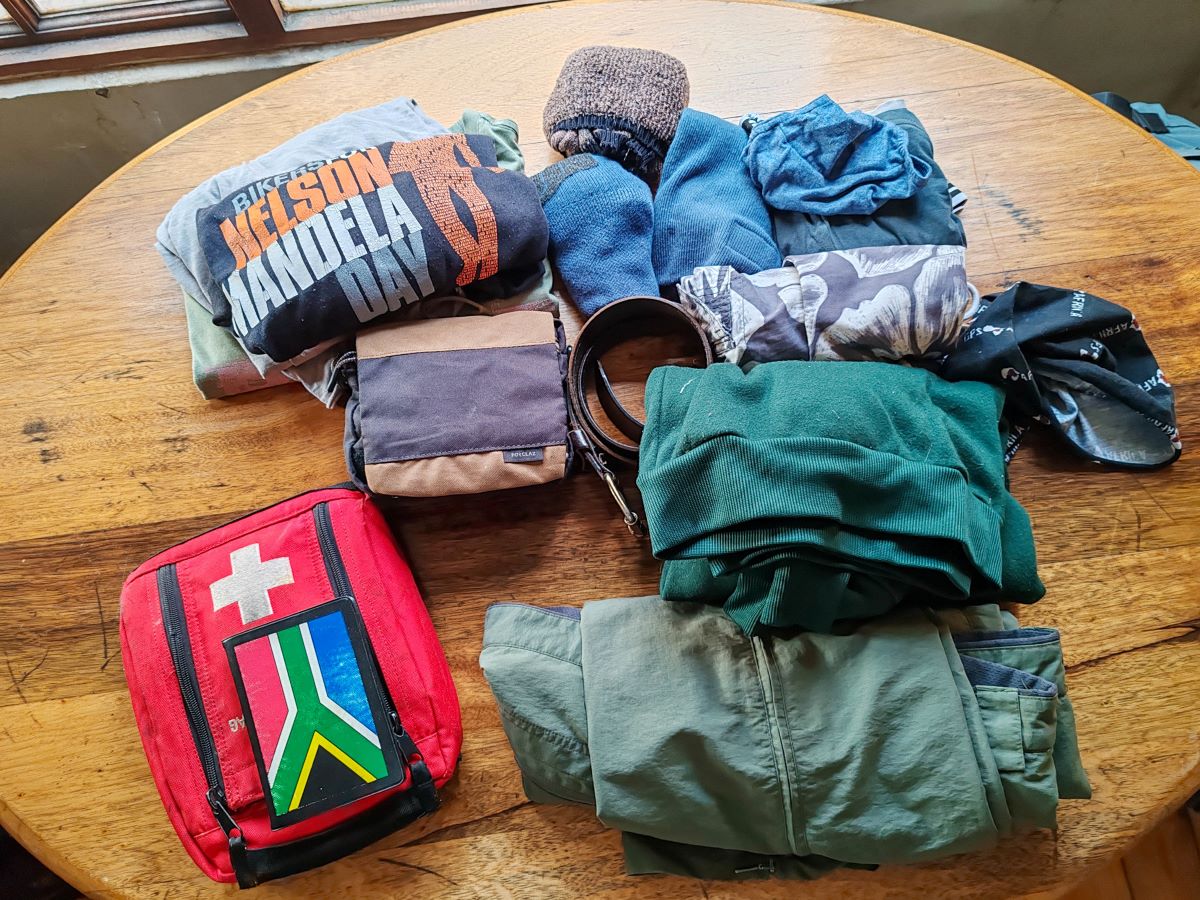
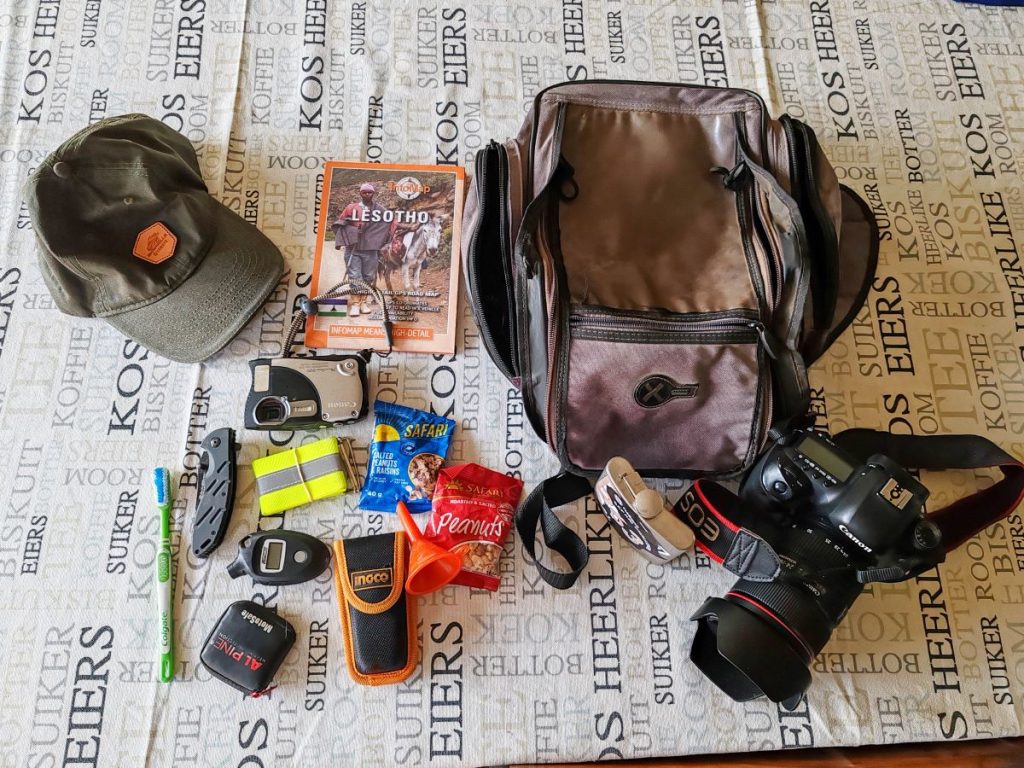
We set off on our September trip to Lesotho with a plan and a packlist. The route would take us to Venterskroon just outside Parys, and then to Fouriesburg, Mokhotlong, Sani Top, down Sani Pass and up again to Katse Dam and back to Johannesburg. We gave ourselves four riding days to do it. The packlist included rain coats, tow ropes, puncture repair kits and a map of Lesotho. In hindsight we should have included snacks.
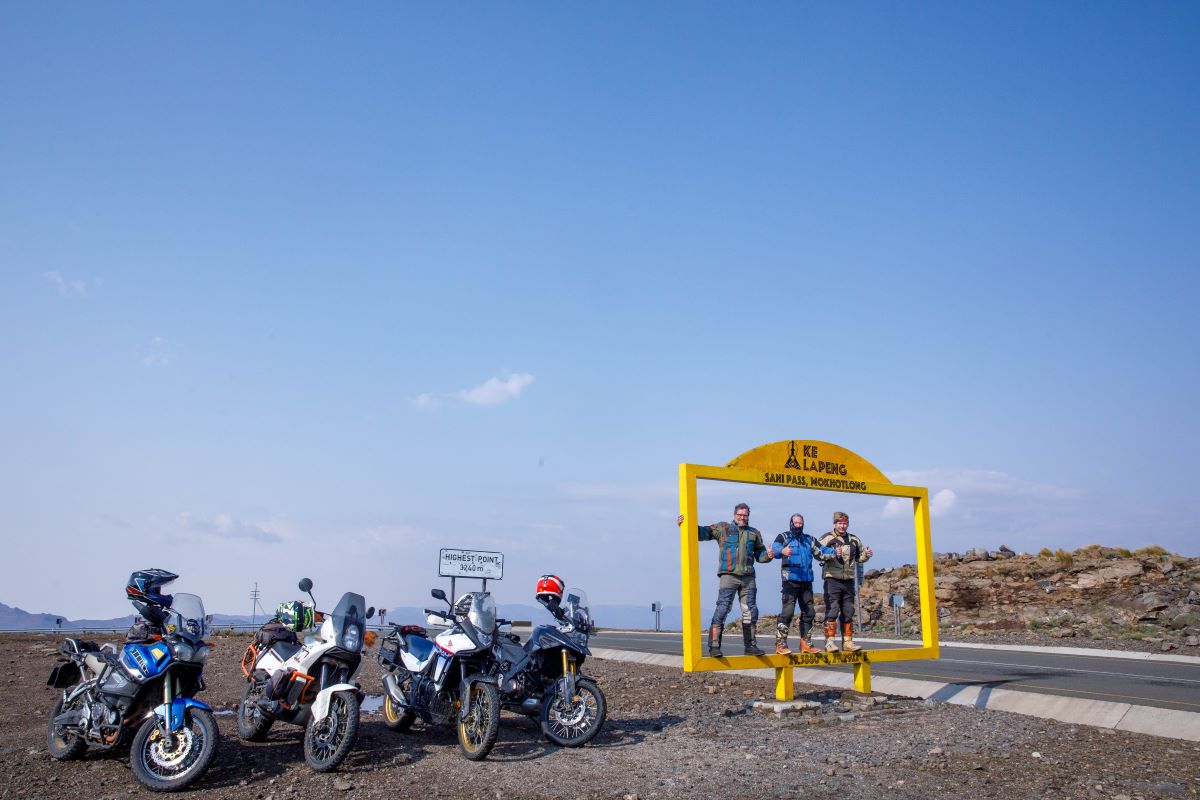
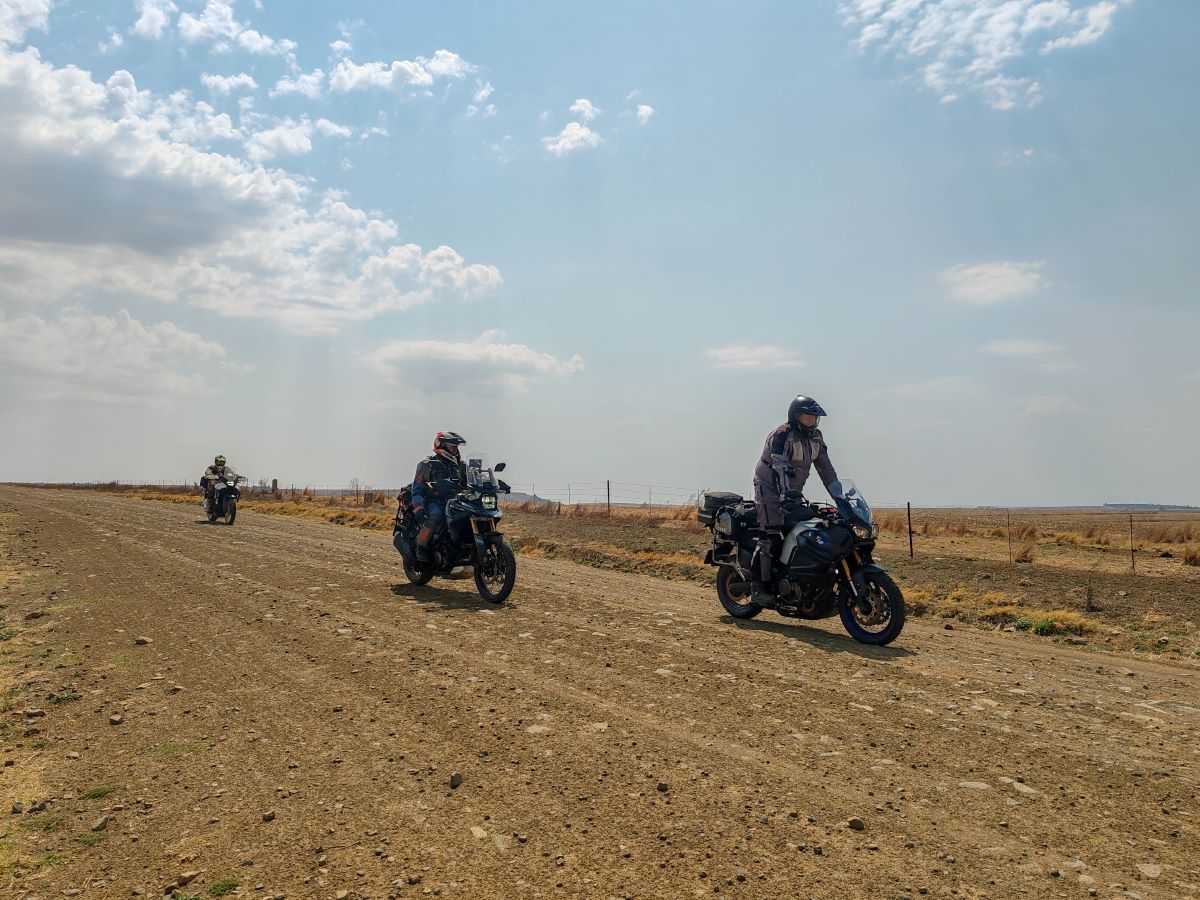
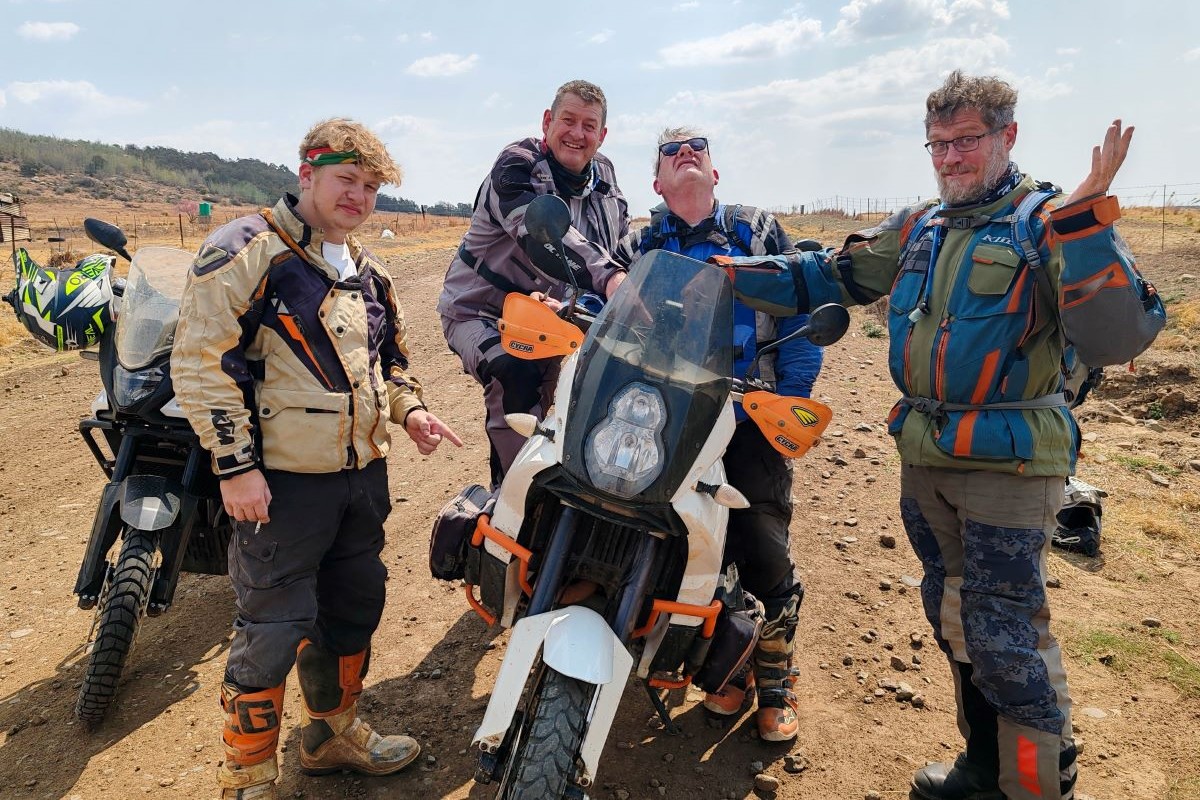
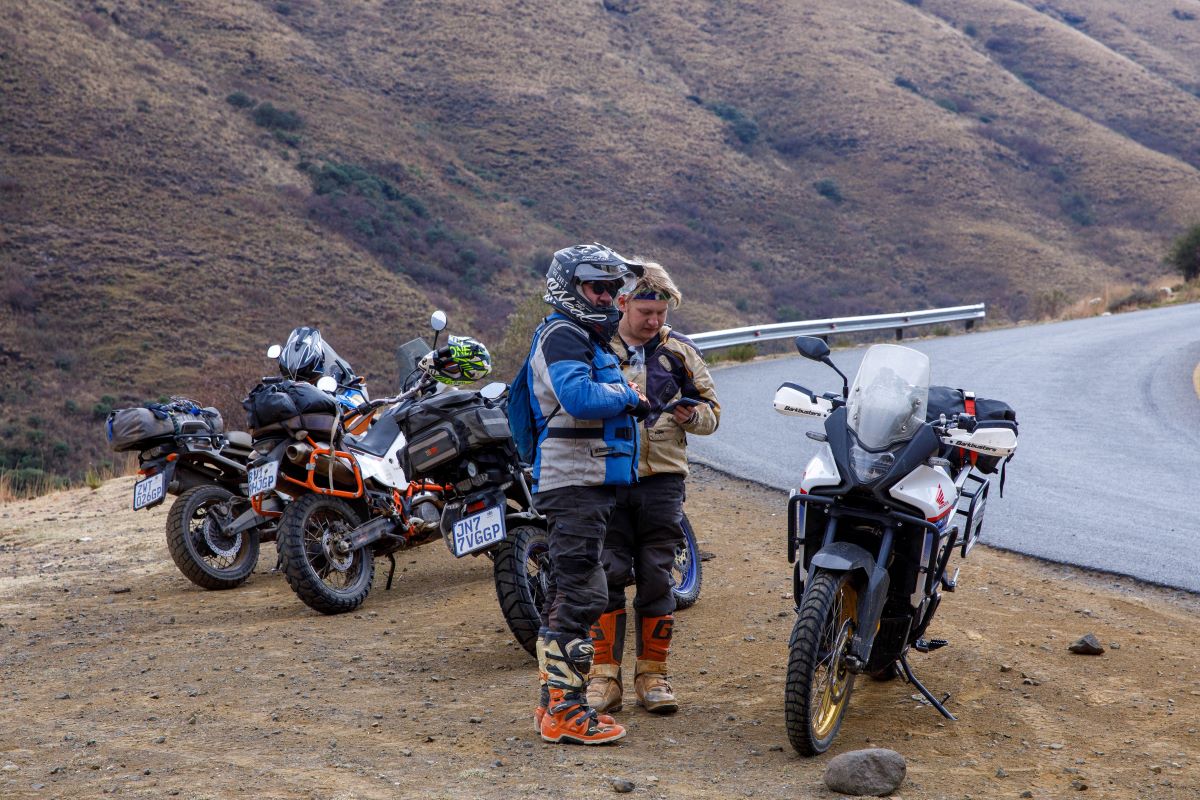
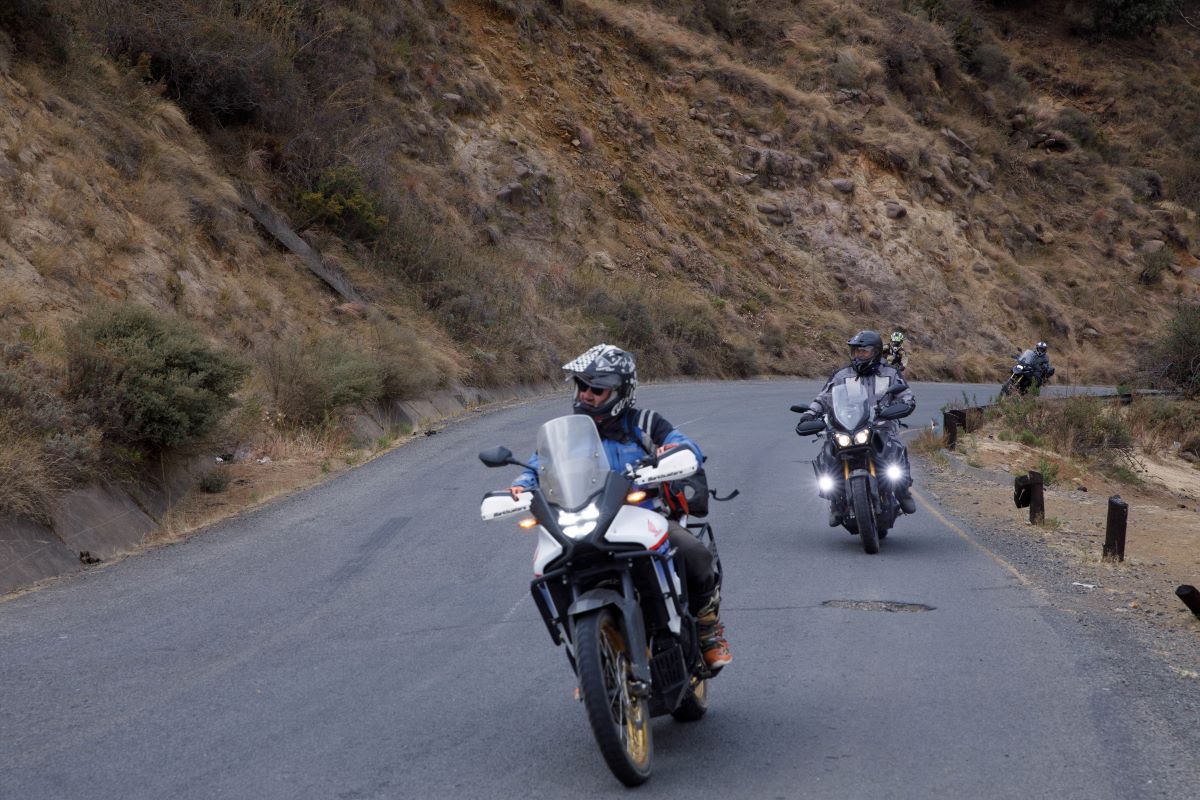
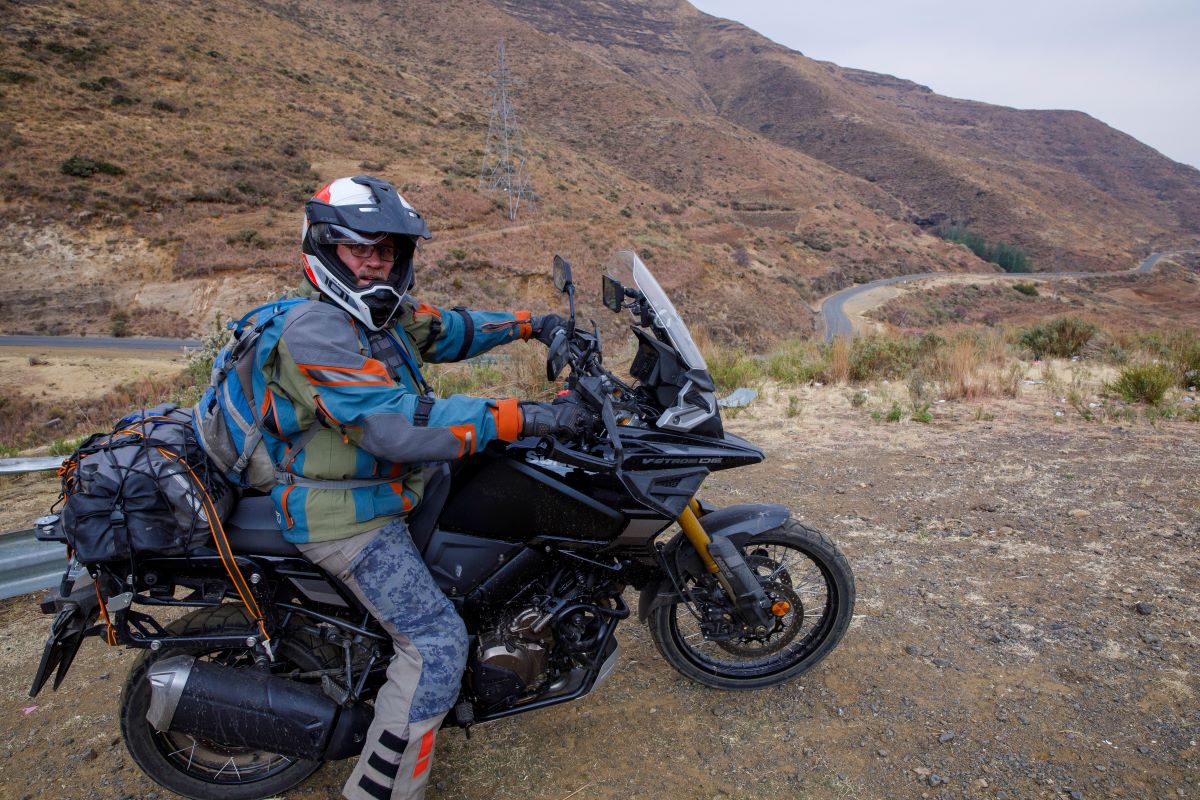
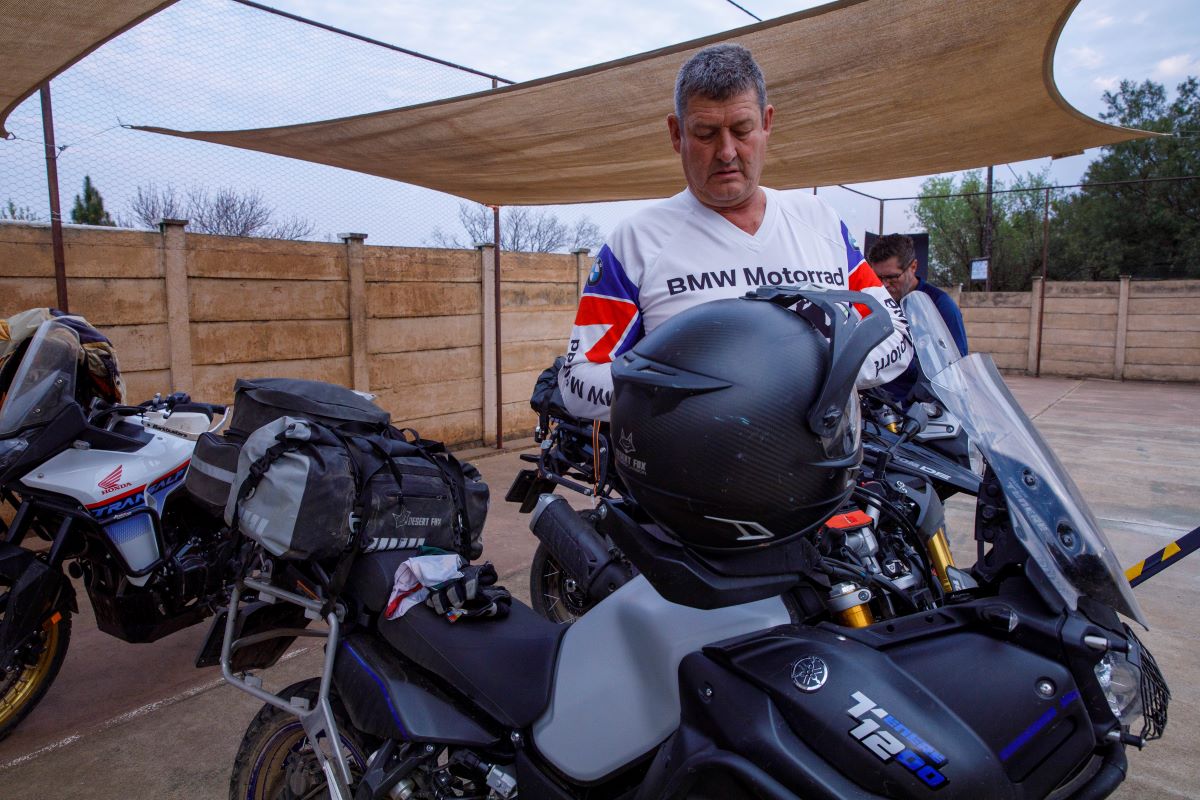
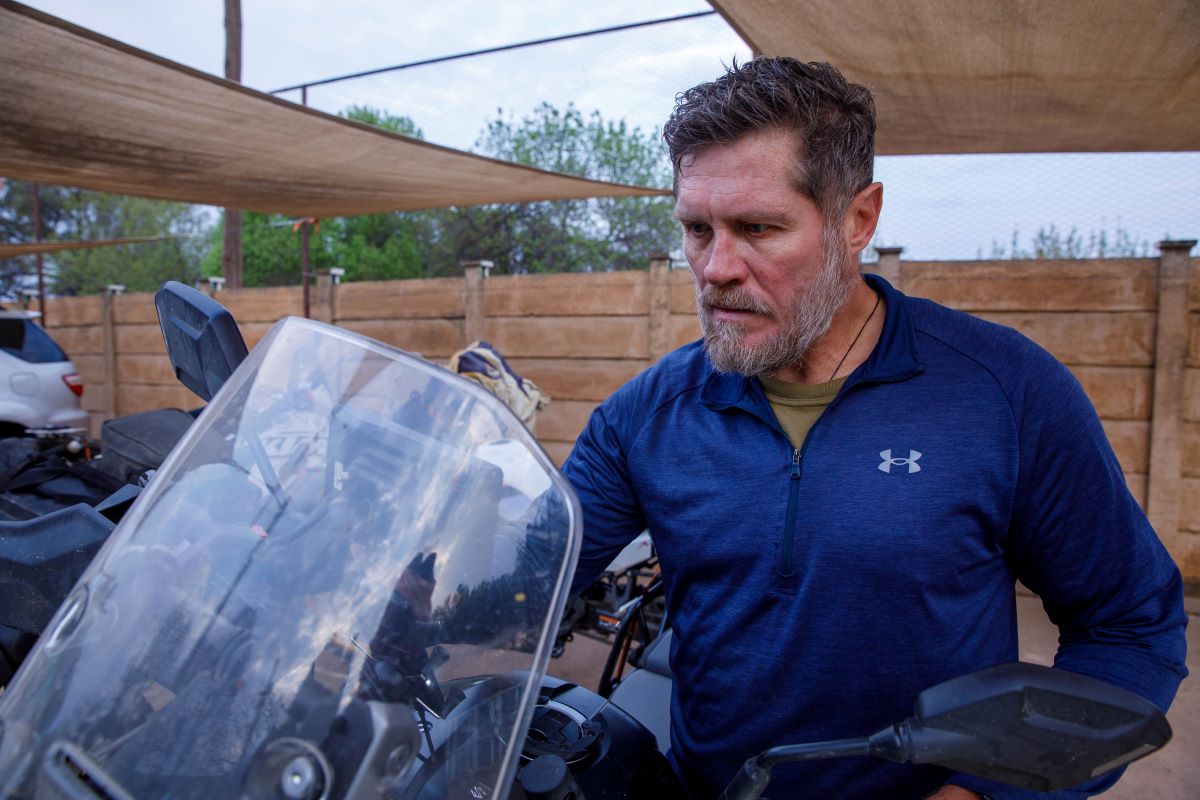
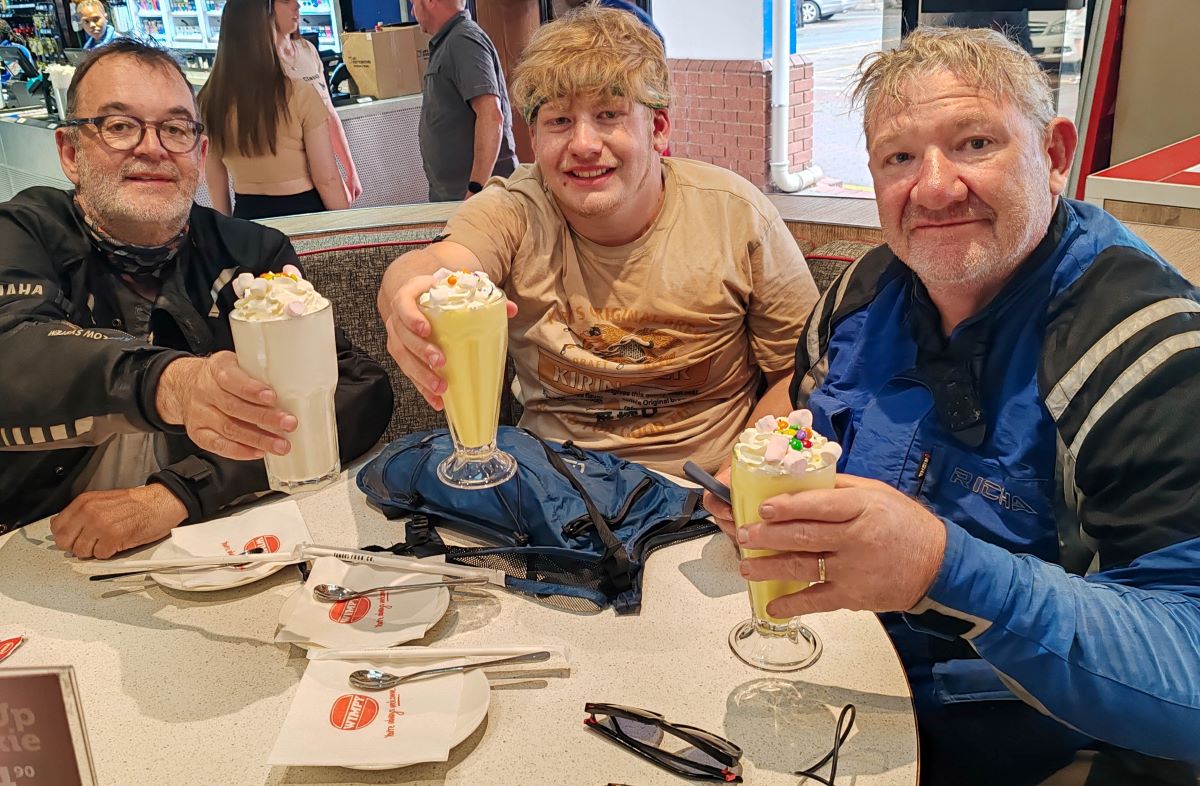
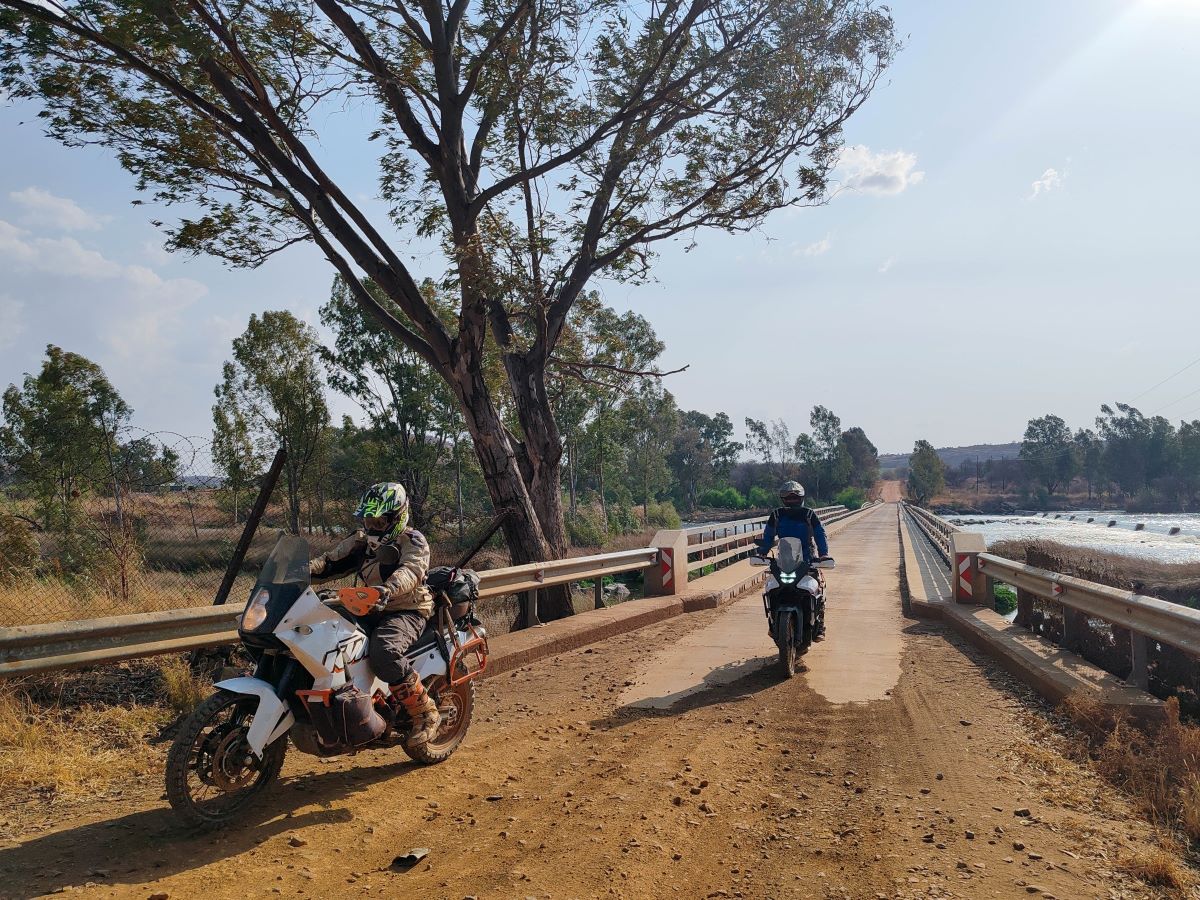
The group was made up of three university friends, all 57 years old and two youngsters, one in his forties and the other in his early twenties. Maarten and I rode our Yamaha XT1200Z’s, Connor, the tweeny, was on a KTM 990, Jason on the latest Suzuki V-Strom and Edward, also 57, on our test bike, the brand new Honda Transalp.
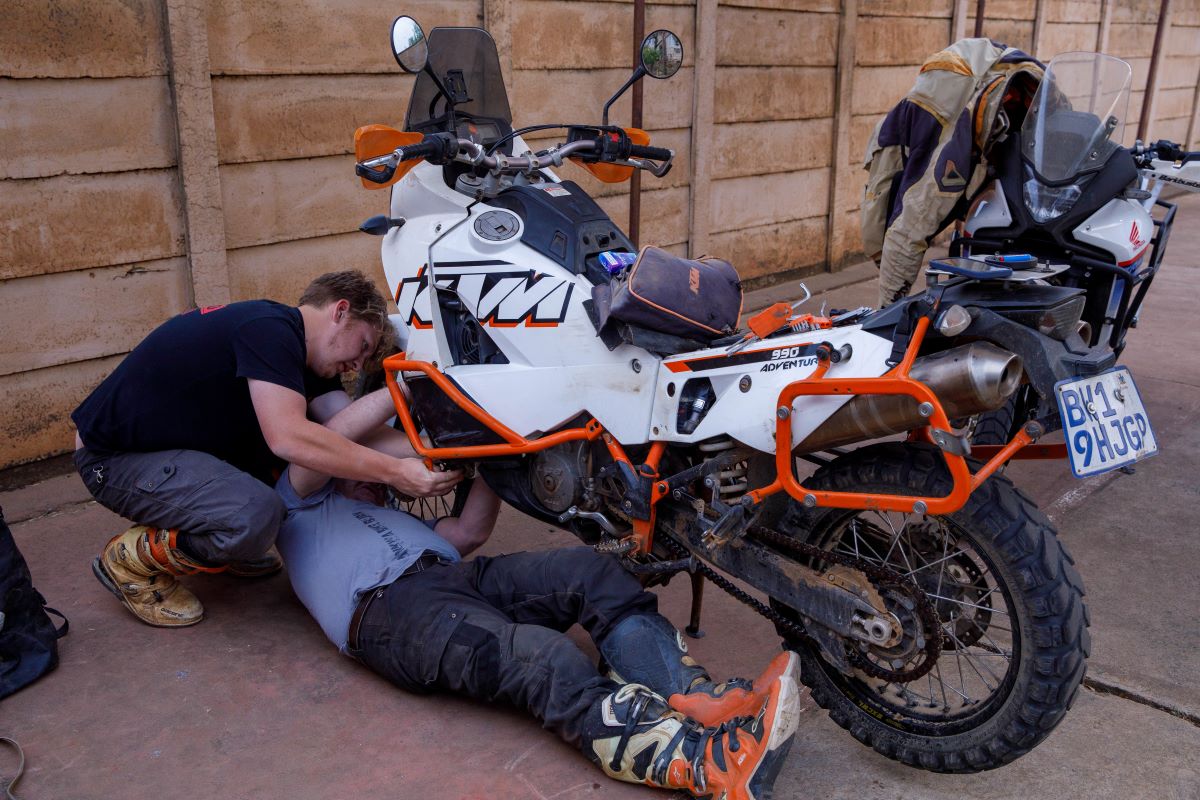
Our troubles started on day one when the KTM ran out of fuel on a very bad dirt road between Lindley and Rosendal. The tow rope came in handy and got us to the nearest fuel 25 kilometres away. They say it’s not an adventure trip until the tow rope comes out. Our trip was now officially an adventure.
For those who are wondering how you tow a bike, the answer is “peg to peg”. The bike in front will need its gear lever and the bike at the back its rear brake. So you put the rope on the right peg of the bike doing the towing and on the right peg for the bike being towed. Believe me, it’s the only sensible way to do it. We towed the bike like that for 25 kilometres to the nearest filling station in Paul Roux, maintaining a speed of between 30 and 70 km/h.
With all the bikes filled up we took back roads to Rosendal. We should have paid more attention to the sign that says “4X4 only at the turnoff from Paul Roux to Rosendal. Although not too technical, you have to concentrate and it’s definitely not for beginners. We then rode past Moolmanshoek and through Ficksburg to Fouriesburg where we slept at Dr. Place Guesthouse. I can highly recommend it. Nothing fancy, but clean and affordable with a jacuzzi right next to the bar. It proved very effective in relieving some of the aches and pains from day one.
Early on day two we crossed the border into Lesotho. On the Lesotho side of the border post you have to pay a road tax and tourism levy. You can pay with a credit card. The traffic police waiting for you a bit further down the road, don’t take credit cards. They prefer cash. I was going at a whopping 53 km/h in a 50 km/h zone and had to pay a spot fine of R200. There were also other spot fines payable, but I will rather not say what they were for.
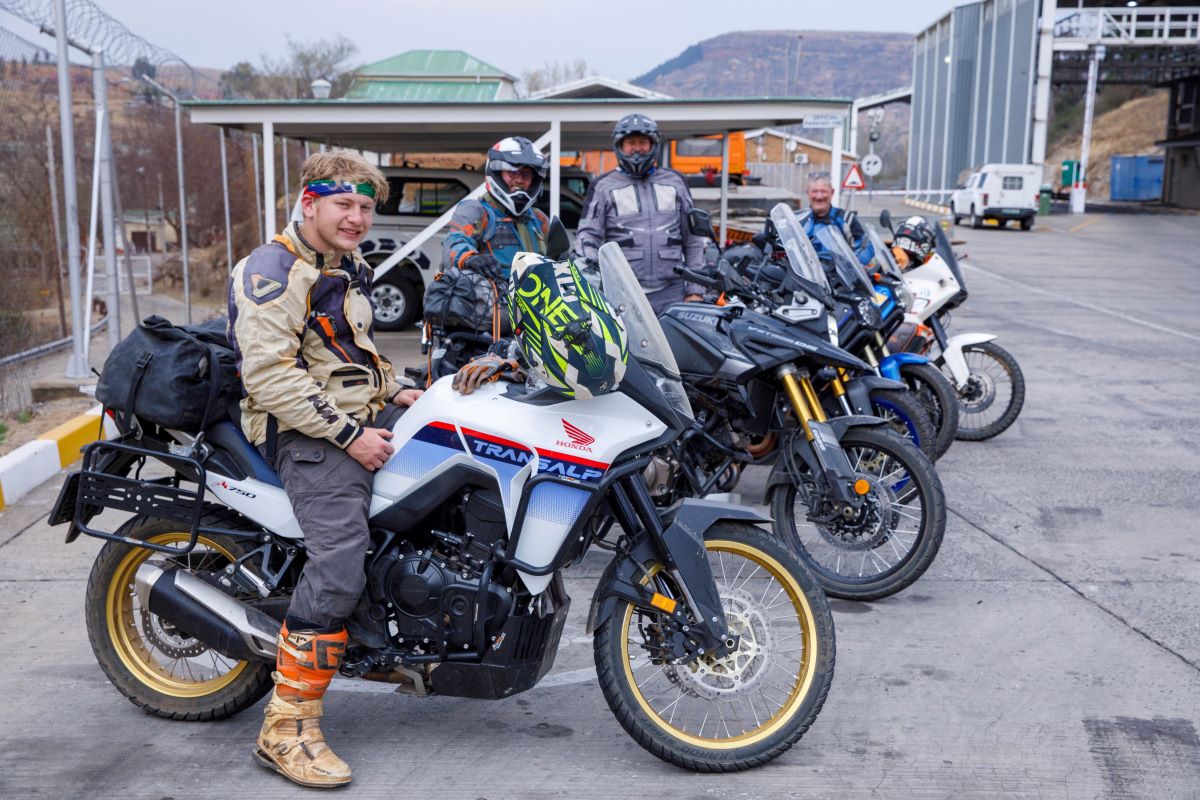
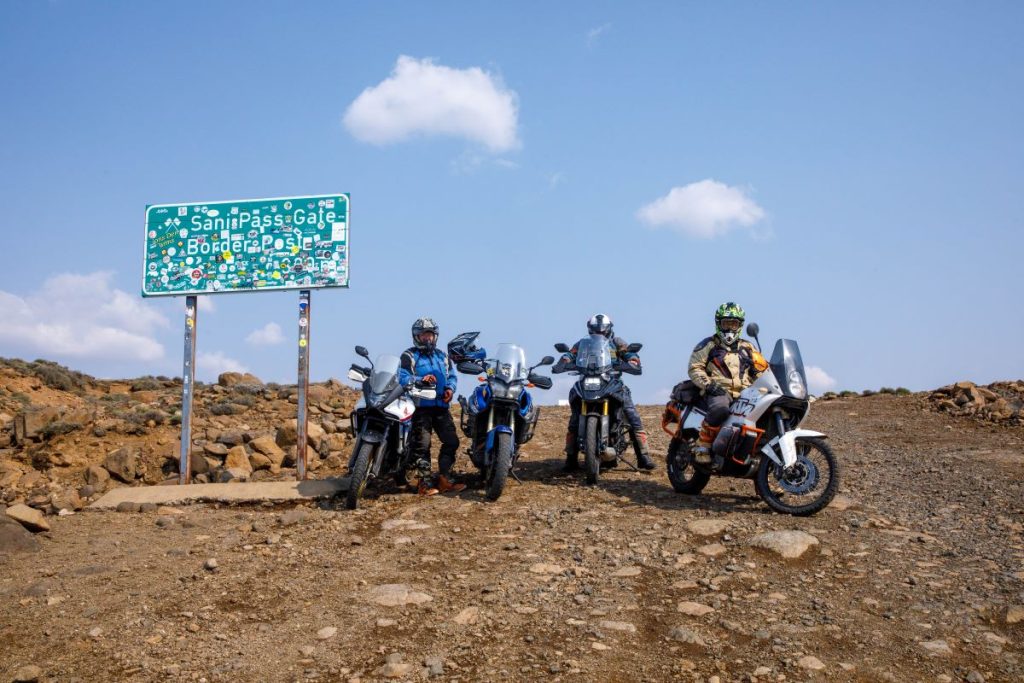
At the border post.
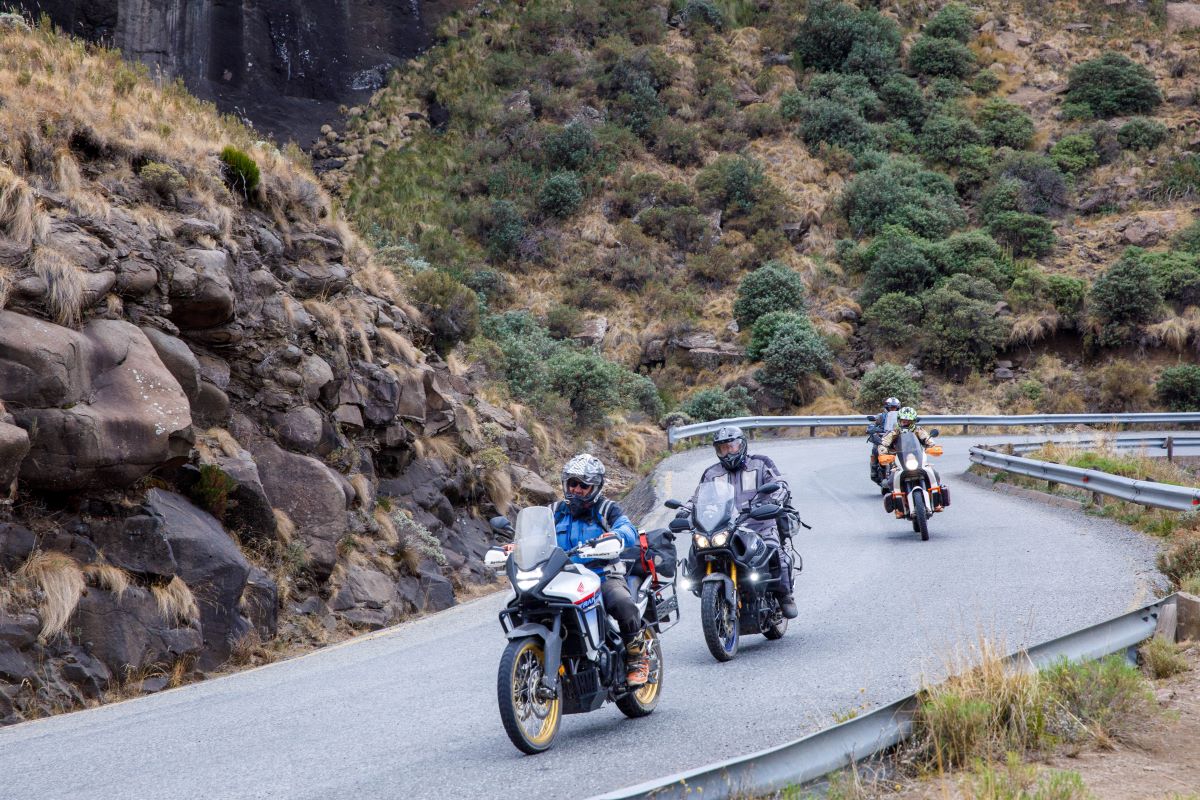
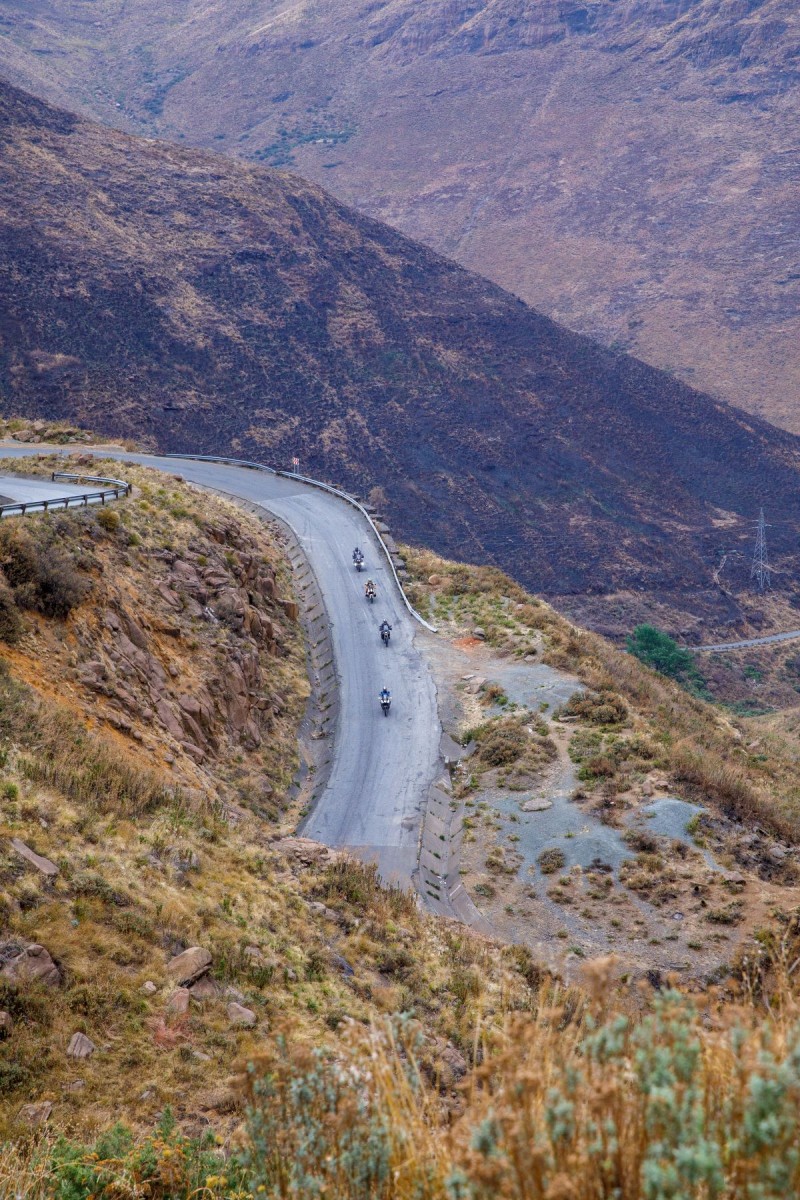
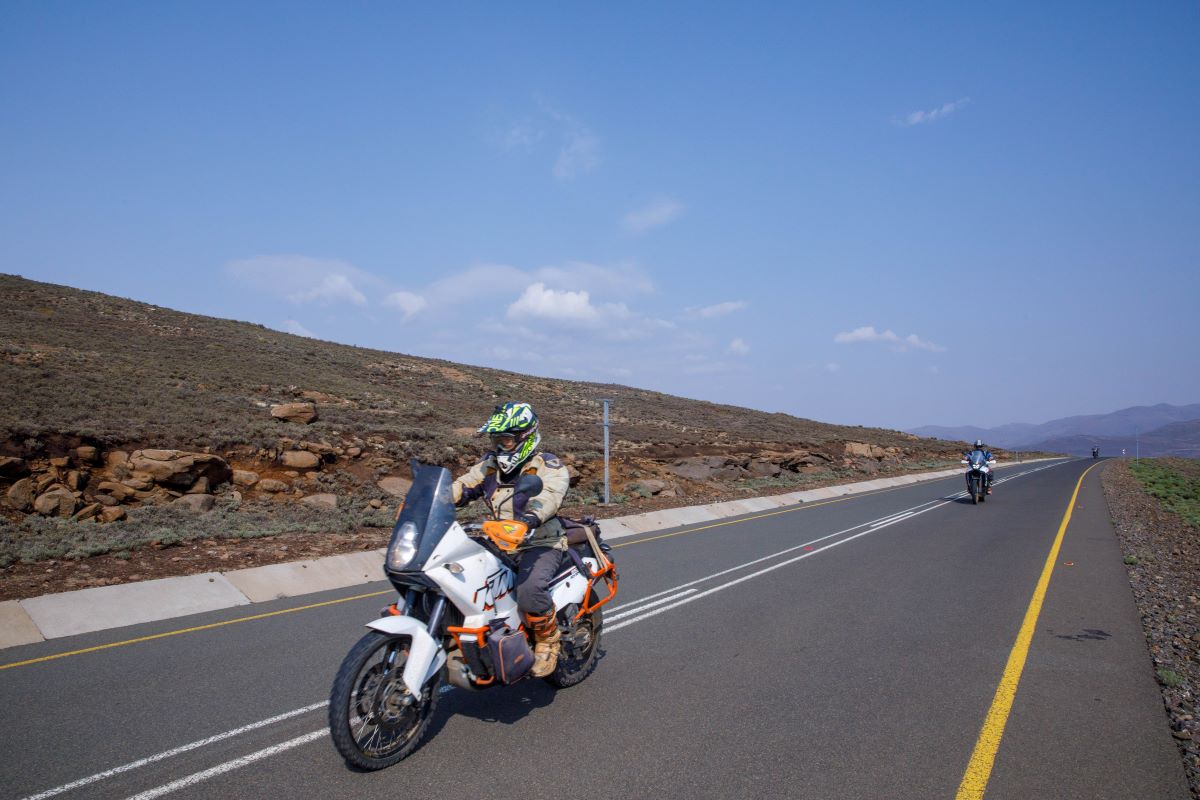
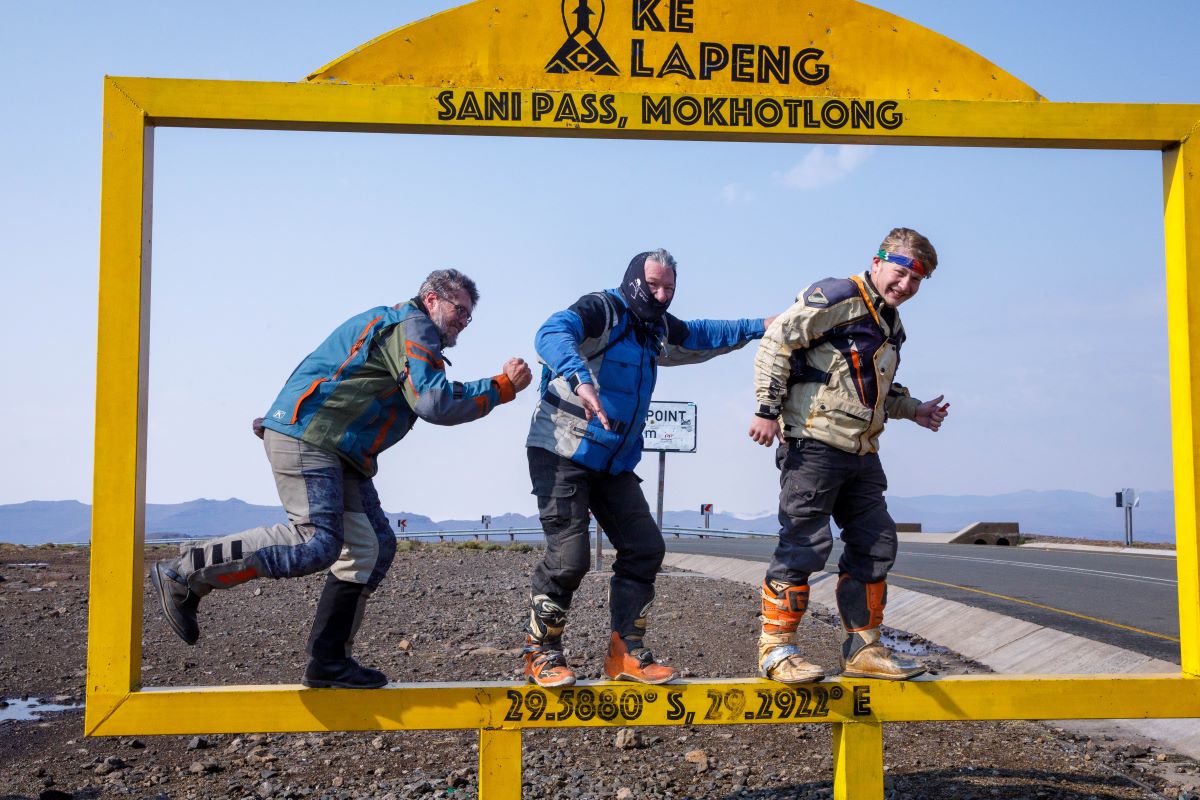
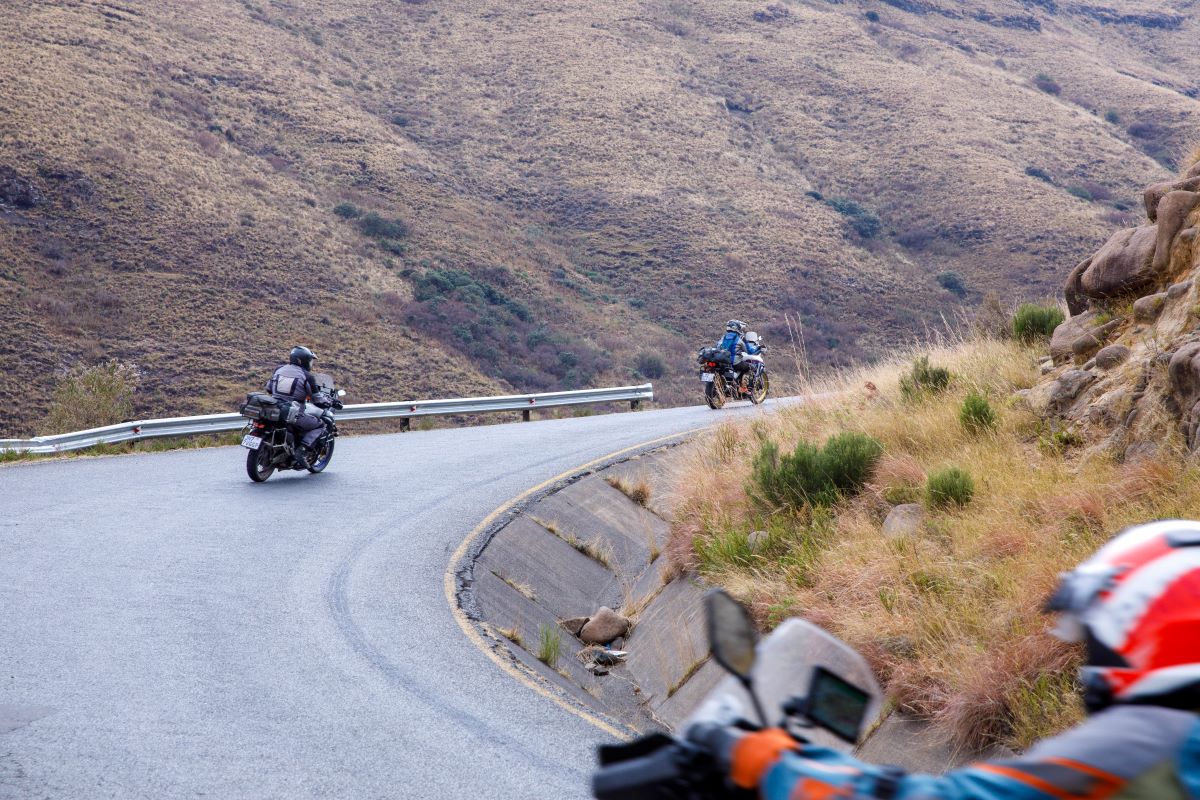
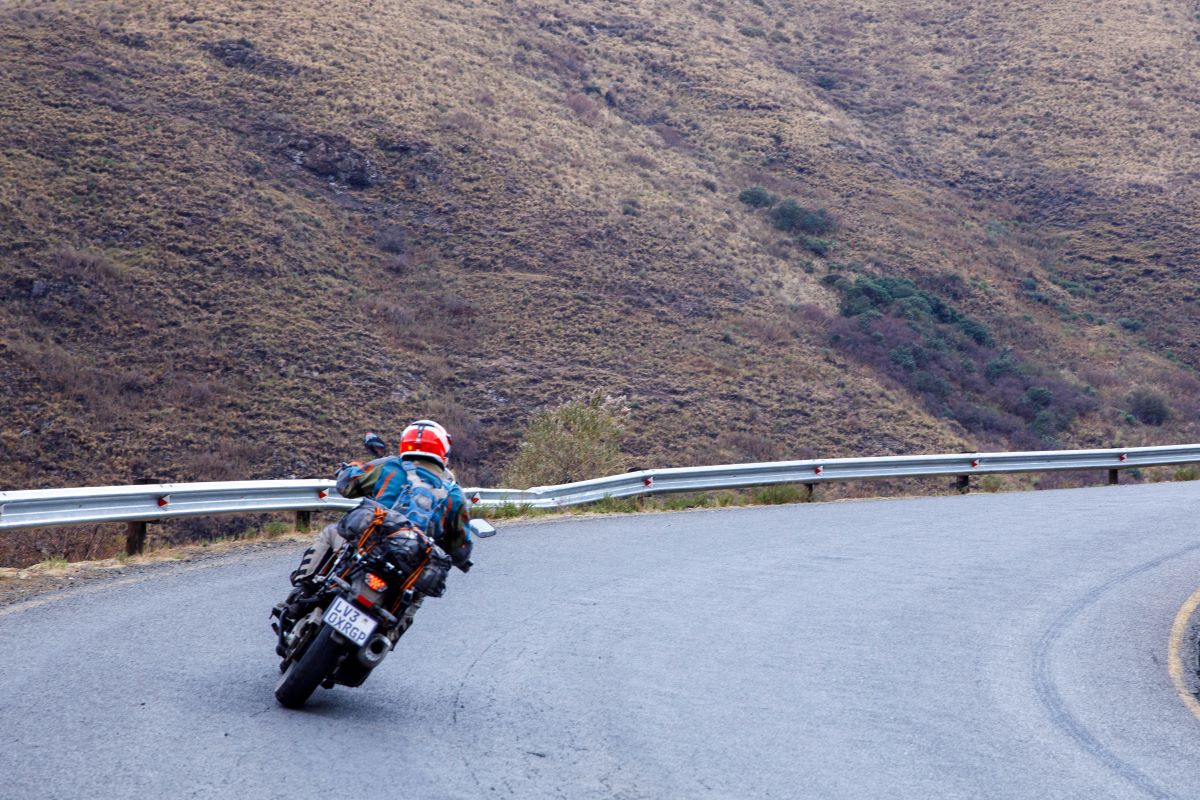
Once we made our way through the very busy town of Butha Buthe, we were in the mountain country. The A1 road takes you through some beautiful towns and mountain passes to Oxbow Lodge and Afriski. The Moteng Pass, between Butha Buthe and Oxbow Lodge has 76 turns. I counted them. At the top of the mountain, just past Afriski, the road opens up as it winds for more than 100 km through the mountains. You are literally riding on top of the world. It must be some of the best riding in the world. At Mokhotlong we filled up and rode through to Sani Top, 50 km further.
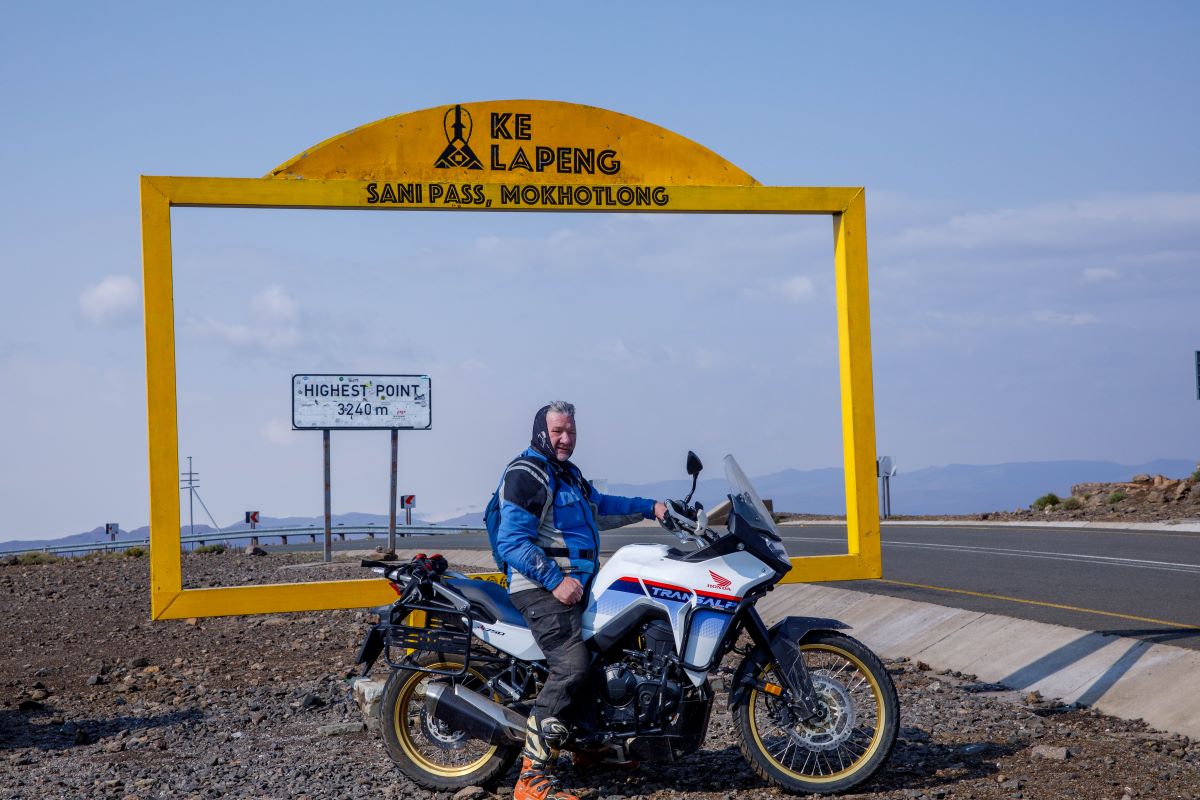
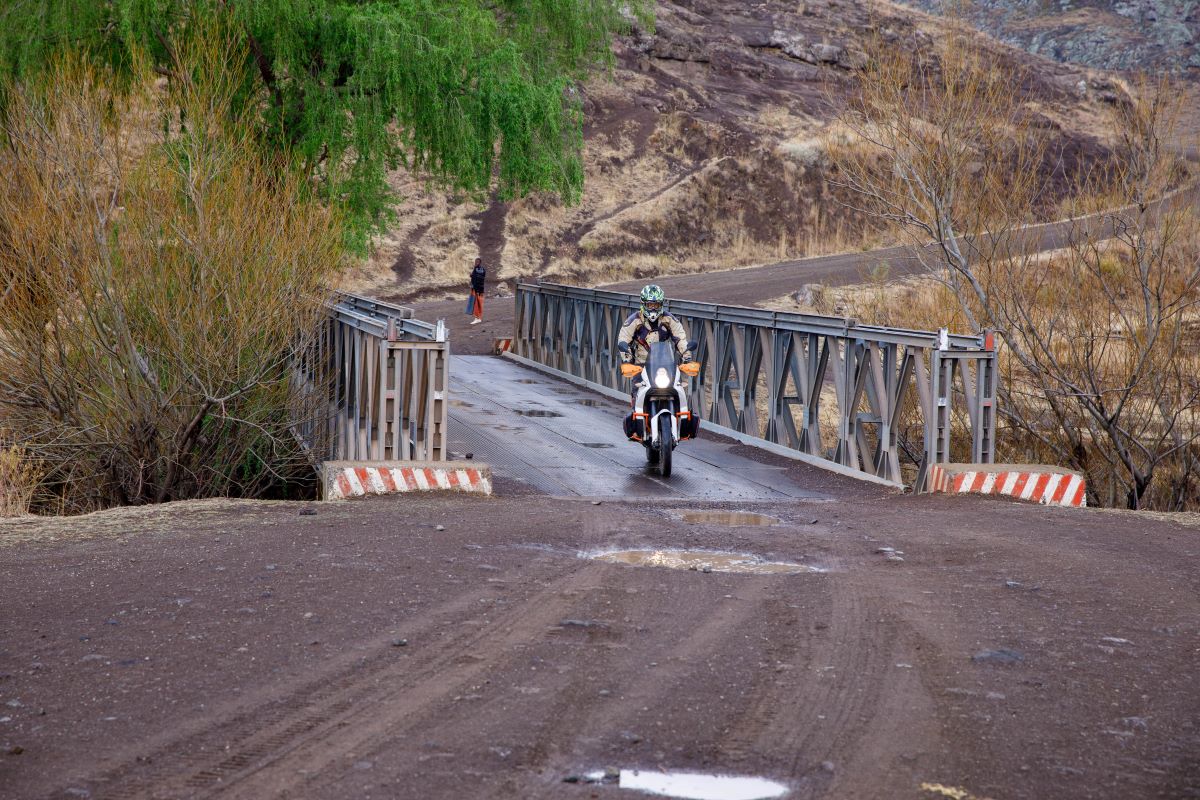
Our plan was to ride down the pass and up again, but it became clear to us that there were not enough hours left in the day to do it safely. We had a late lunch and made our way back to our lodging; the guesthouse at the St. James Monastery just outside Mokhotlong and 50 km back inland. The Monastery is set between majestic mountains and valleys. It’s really beautiful. The road there, all of it dirt, is an adventure in itself. We gave the adventure bikes a good taste of what was to come on the Sani Pass.
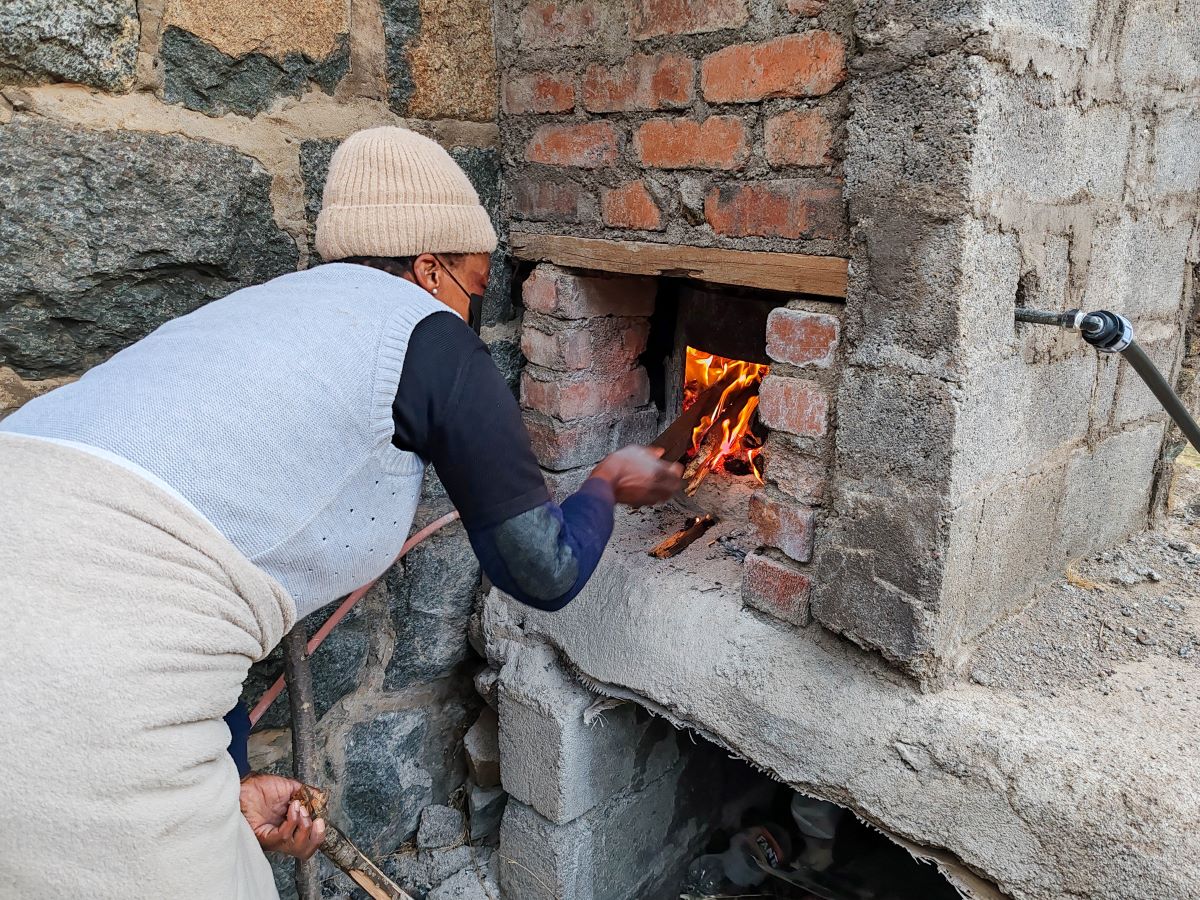
The right way to describe St. James is “rustic”. Electricity is generated by panels on the roof. It’s enough to run a couple of lights, but not much more. There is a gas stove and you have to make a fire under a water tank for hot water. Nobody told us that there would be no food and we feasted on what was left of our biltong and the two bottles of red wine we carried with us.
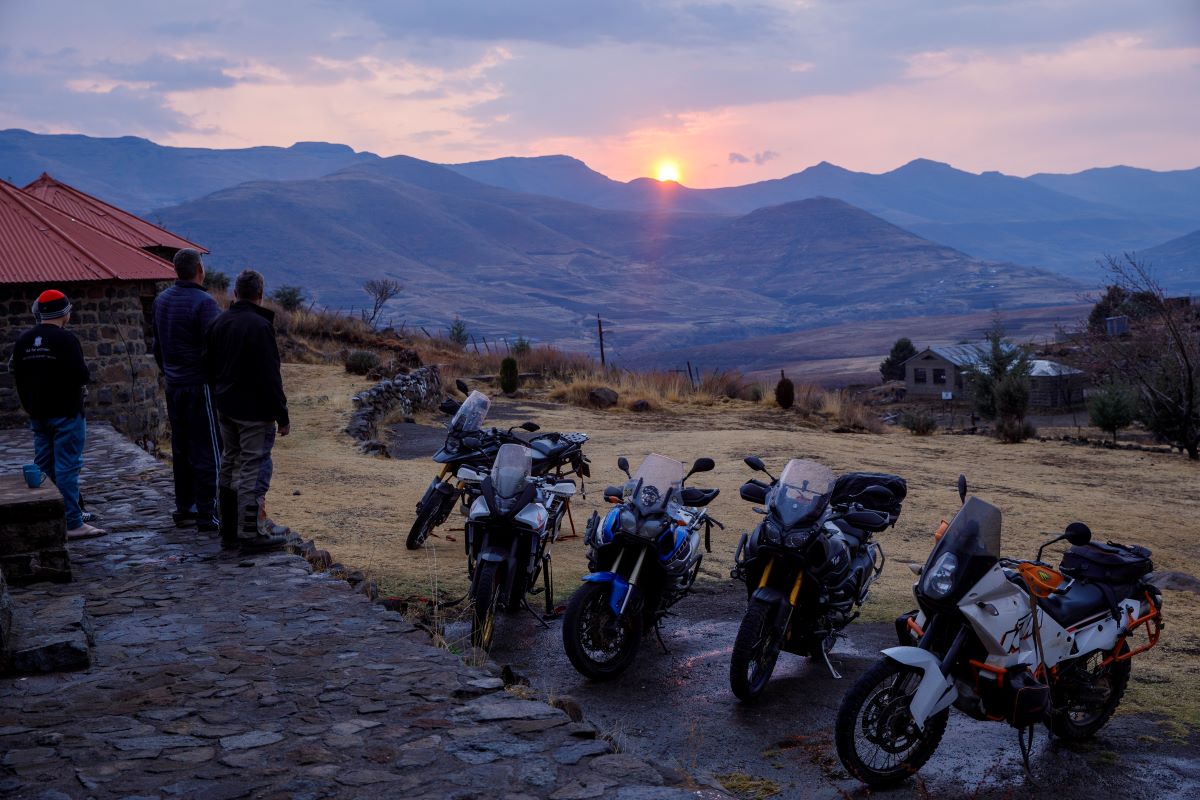
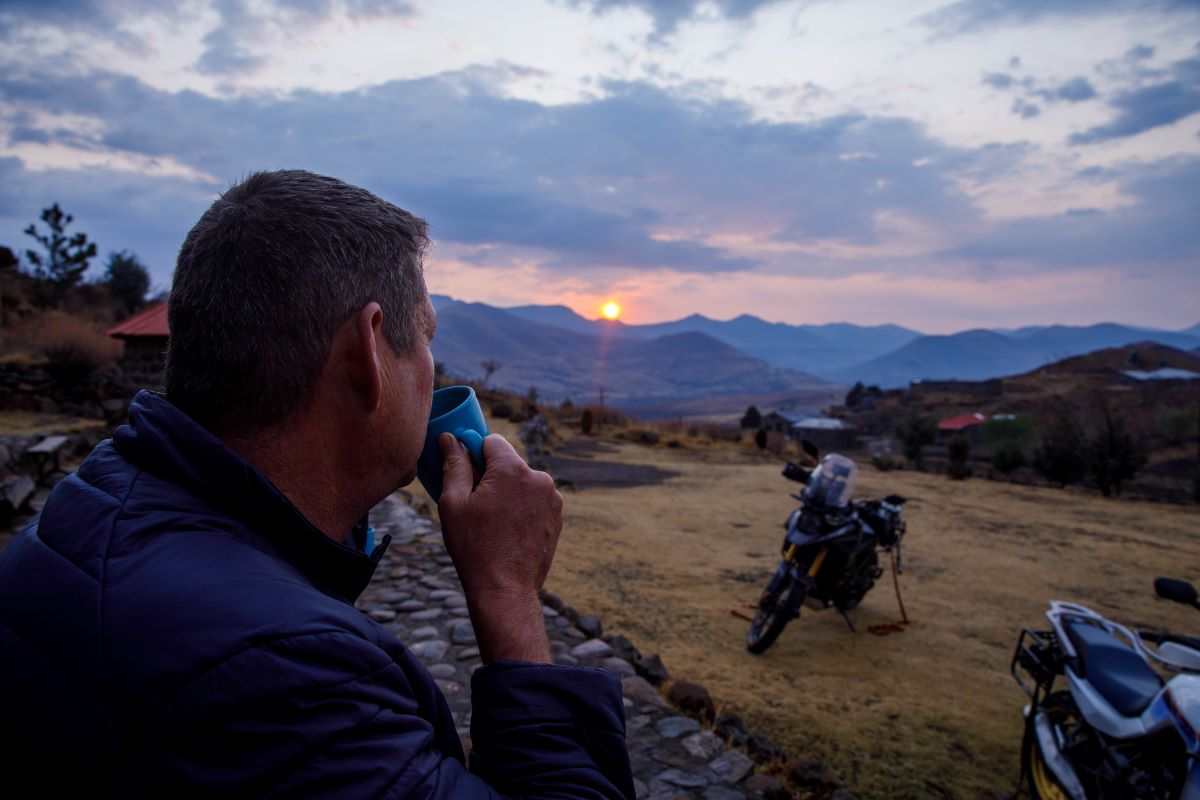
The next morning we woke up to a spectacular sunrise and some strange noises from the bathroom as Maarten was trying to deal with his food poisoning. We are not sure where he got it, but it was bad. It was decision time. Cool heads prevailed and we decided that Maarten would wait for us at St. James while we rode down and up the Sani Pass. By now it was clear that we had to forgo our plan to also ride to the Katse Dam.
St. James. Rustic but comfortable.
It was a glorious day. Not a cloud in the sky, perfect weather to ride Sani Pass. We rode the 50 km from St. James with gusto and determination. We were on a mission. We have all done the Sani Pass before, either up or down, but never down and up in one go. We were embarking on the stuff of legend.
But you don’t attempt the Sani Pass on an empty stomach and our first stop was the Sani Top restaurant for breakfast. That was the plan, but fate dealt us another bad hand. The restaurant was still closed and only opened at 10:00. The only option was to attempt our adventure on empty stomachs.
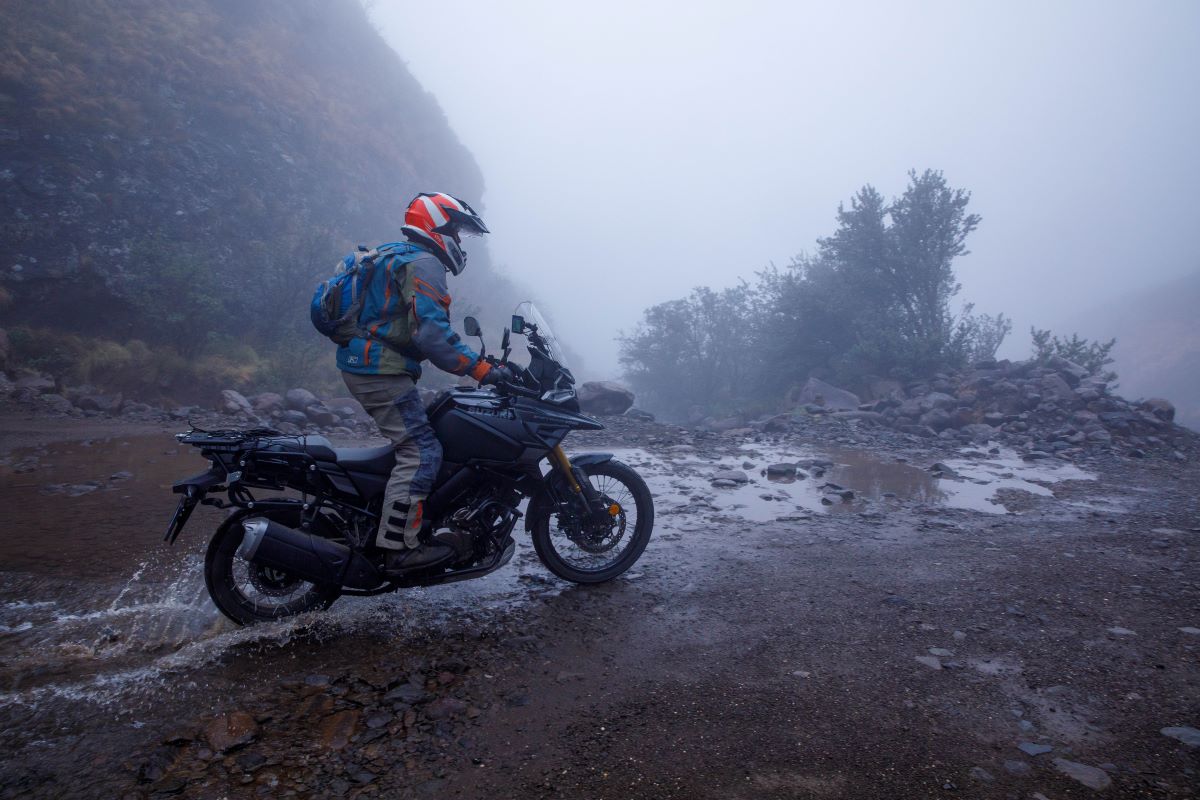
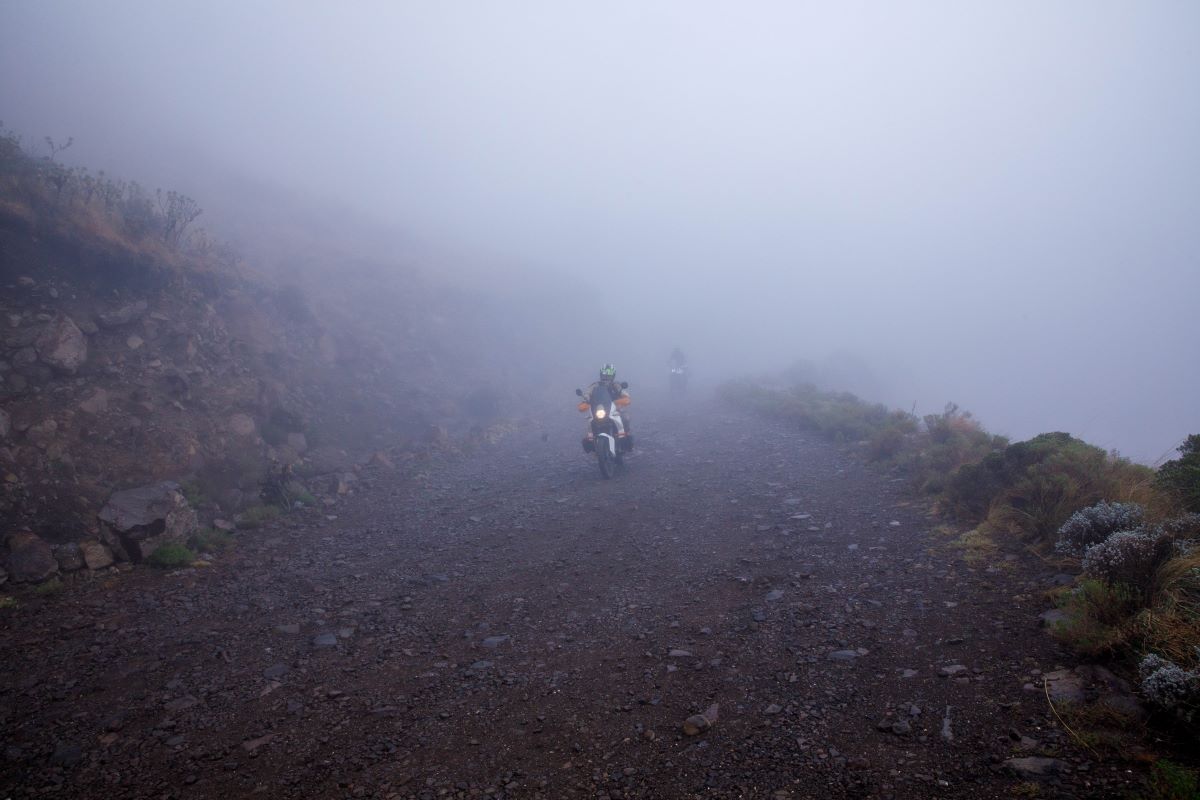
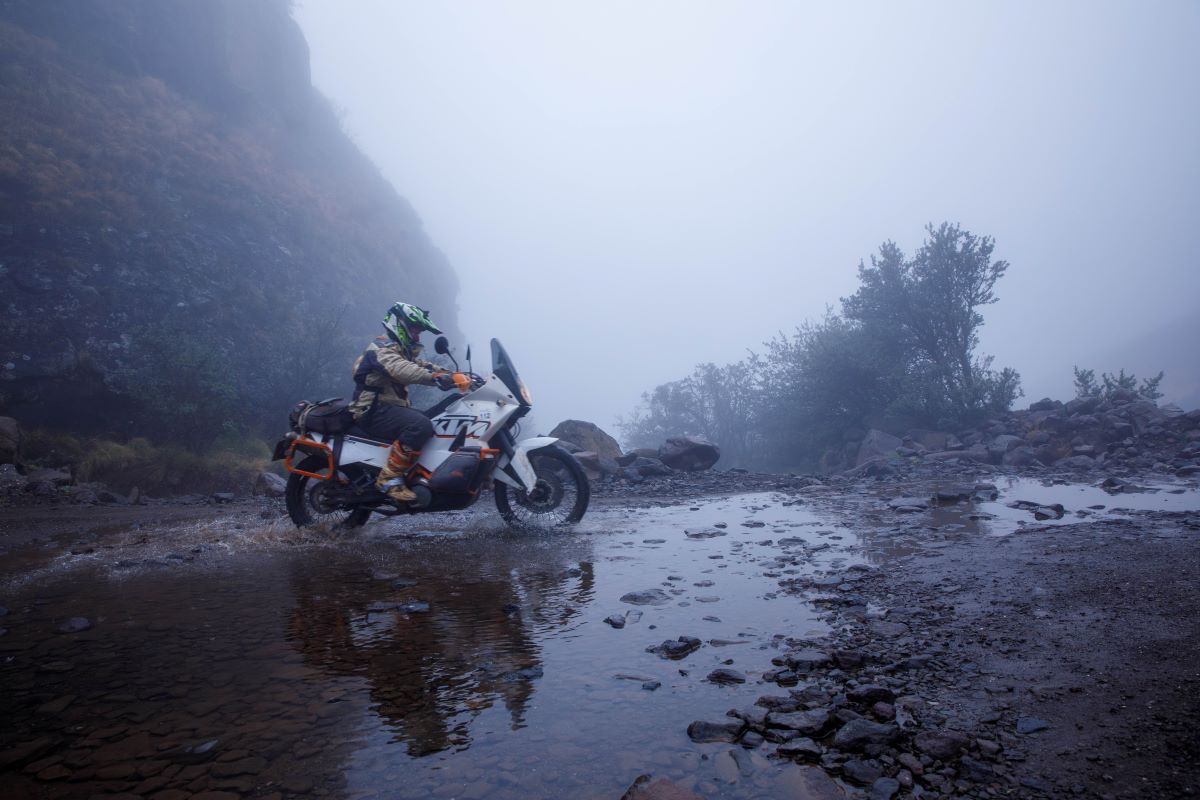
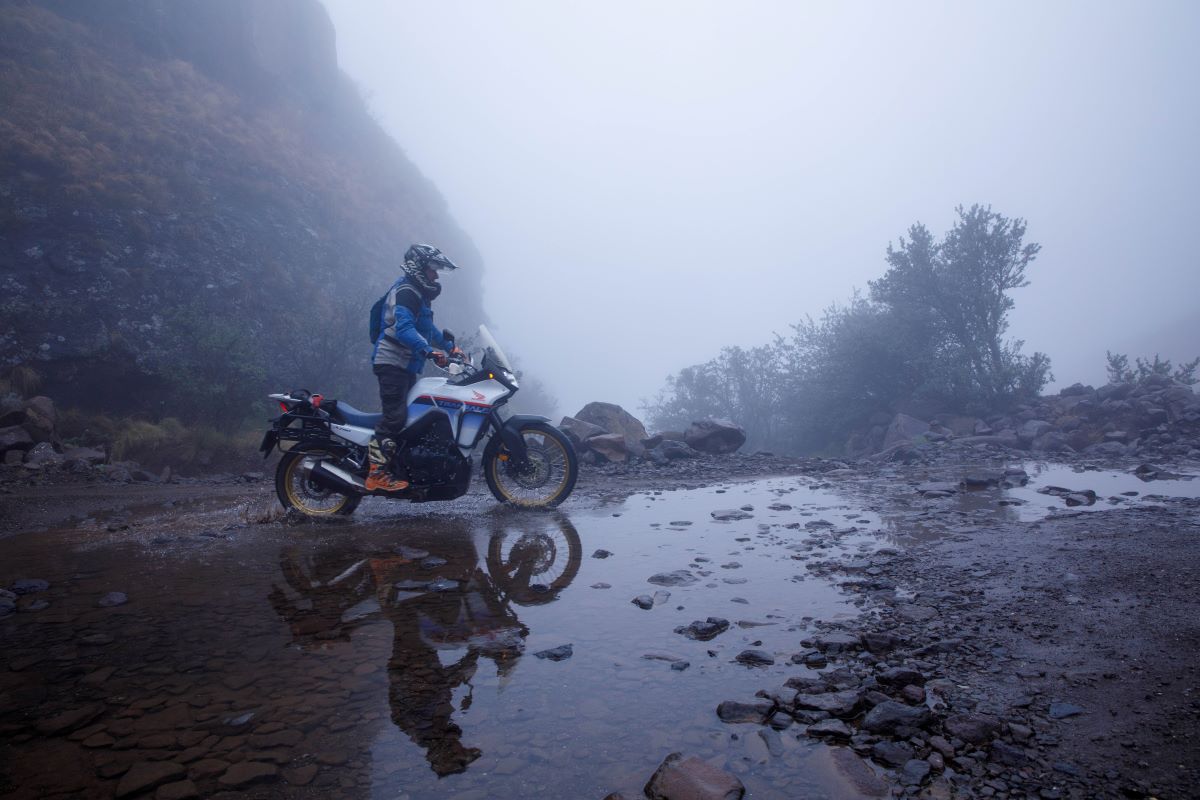
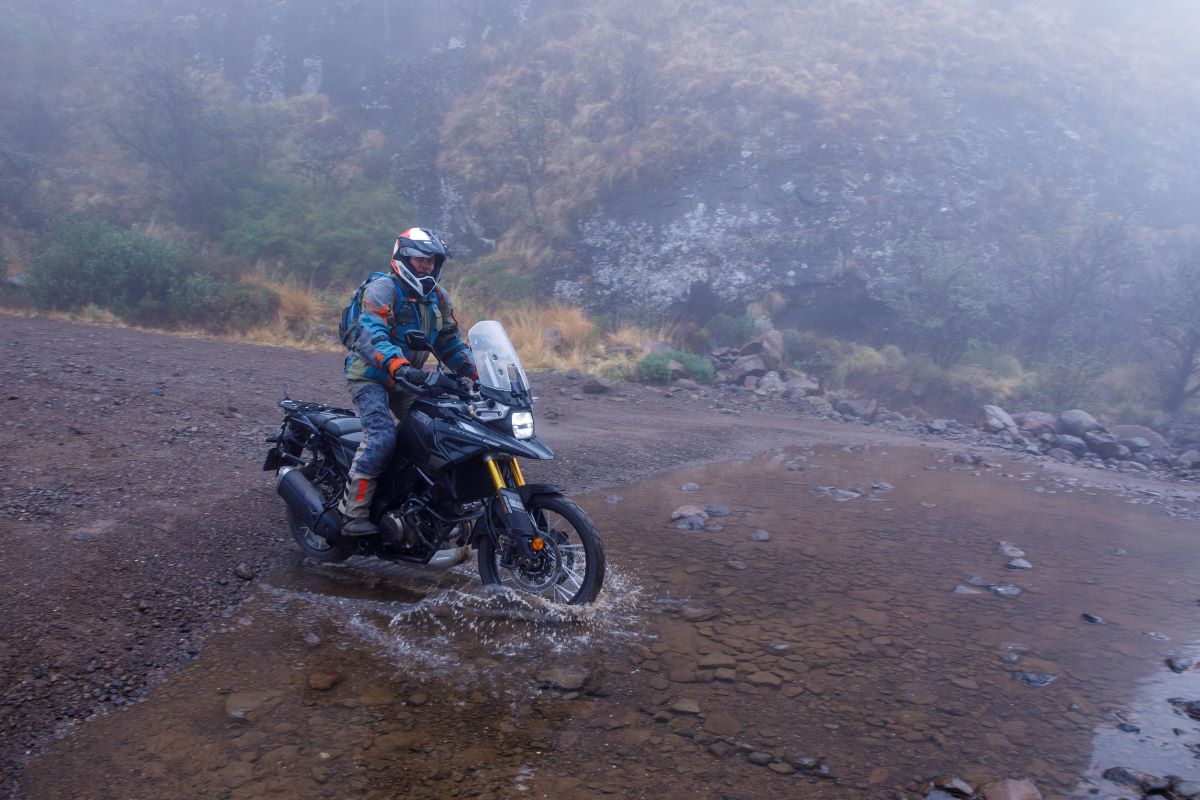
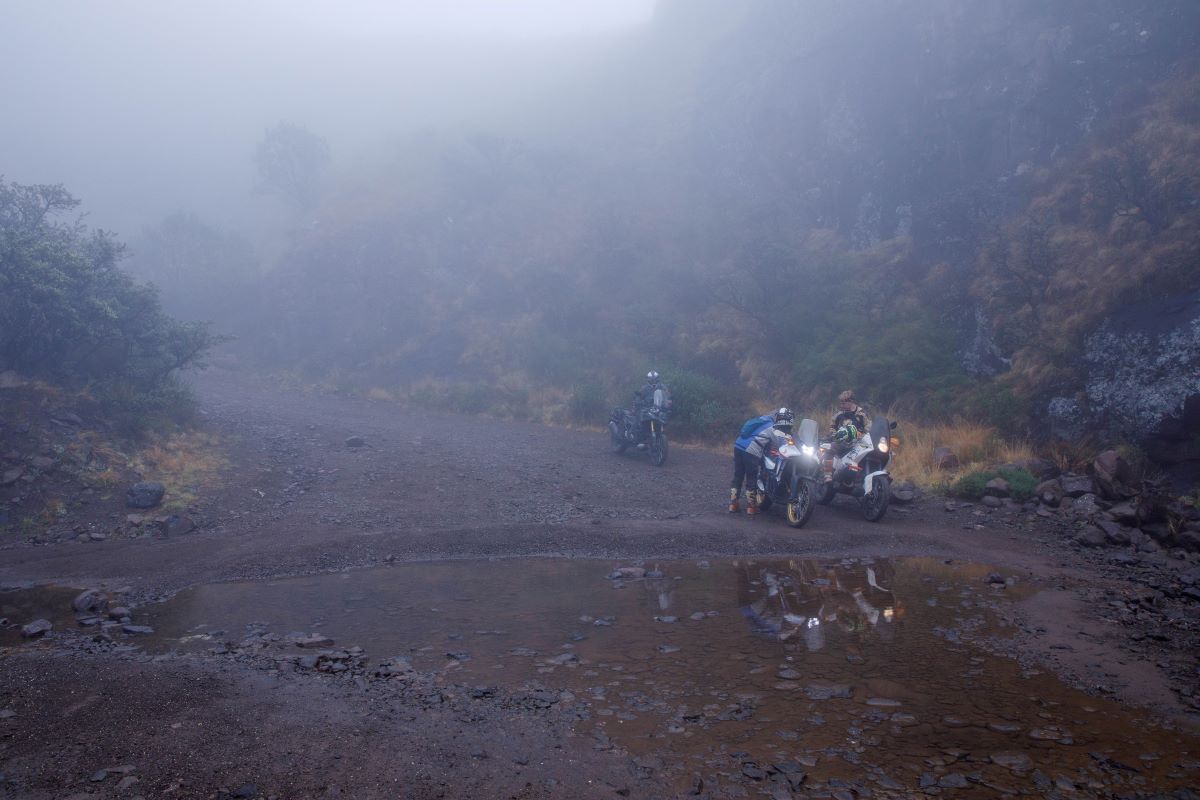
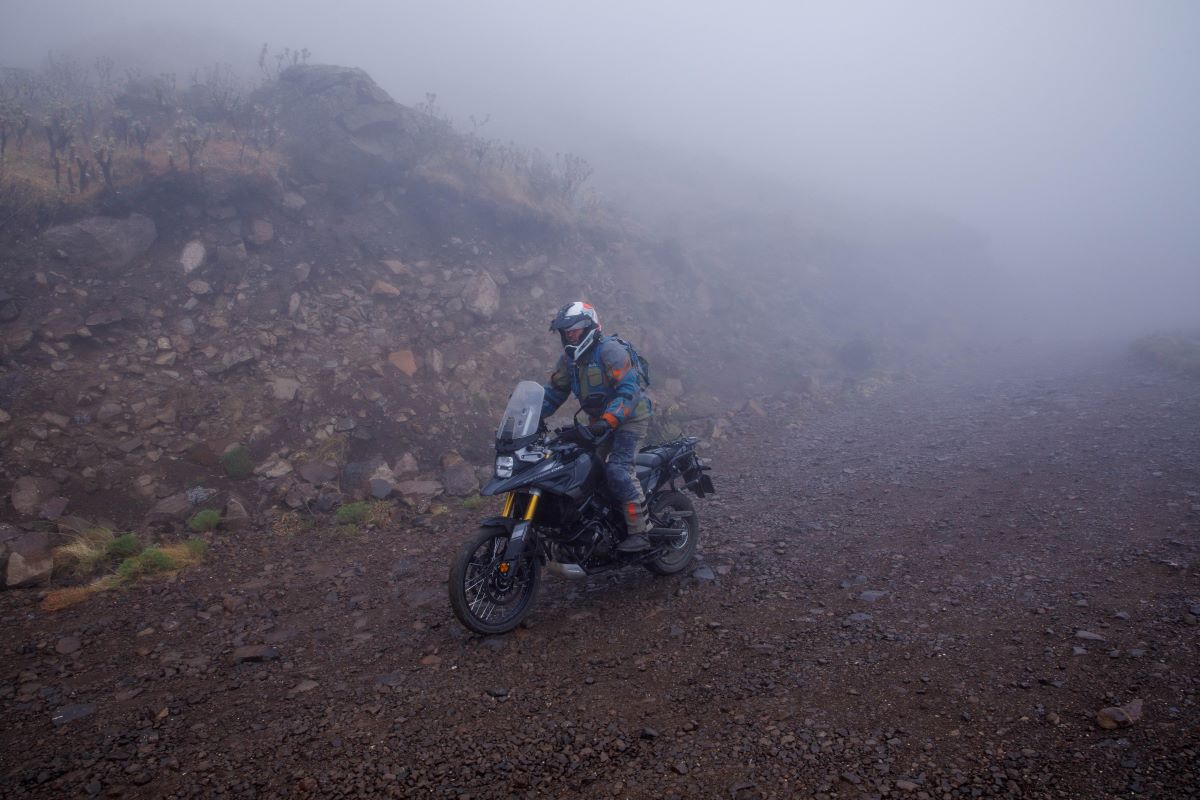
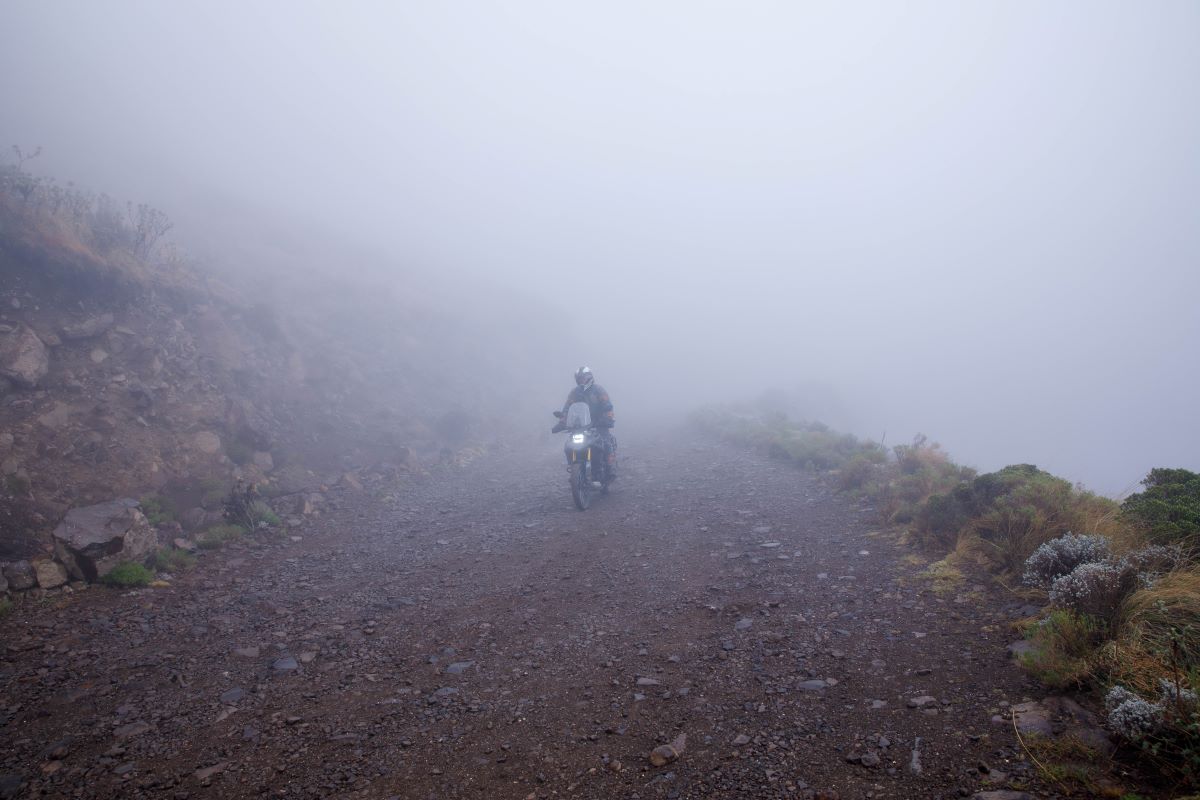
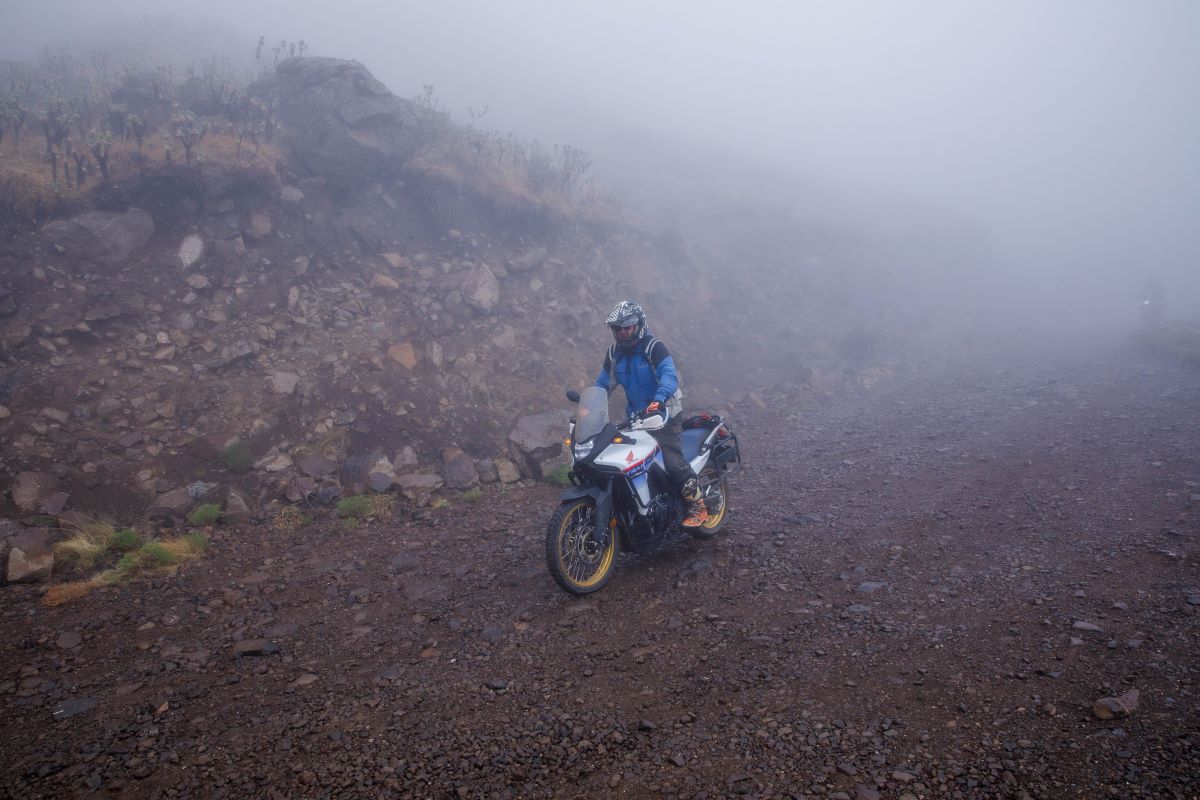
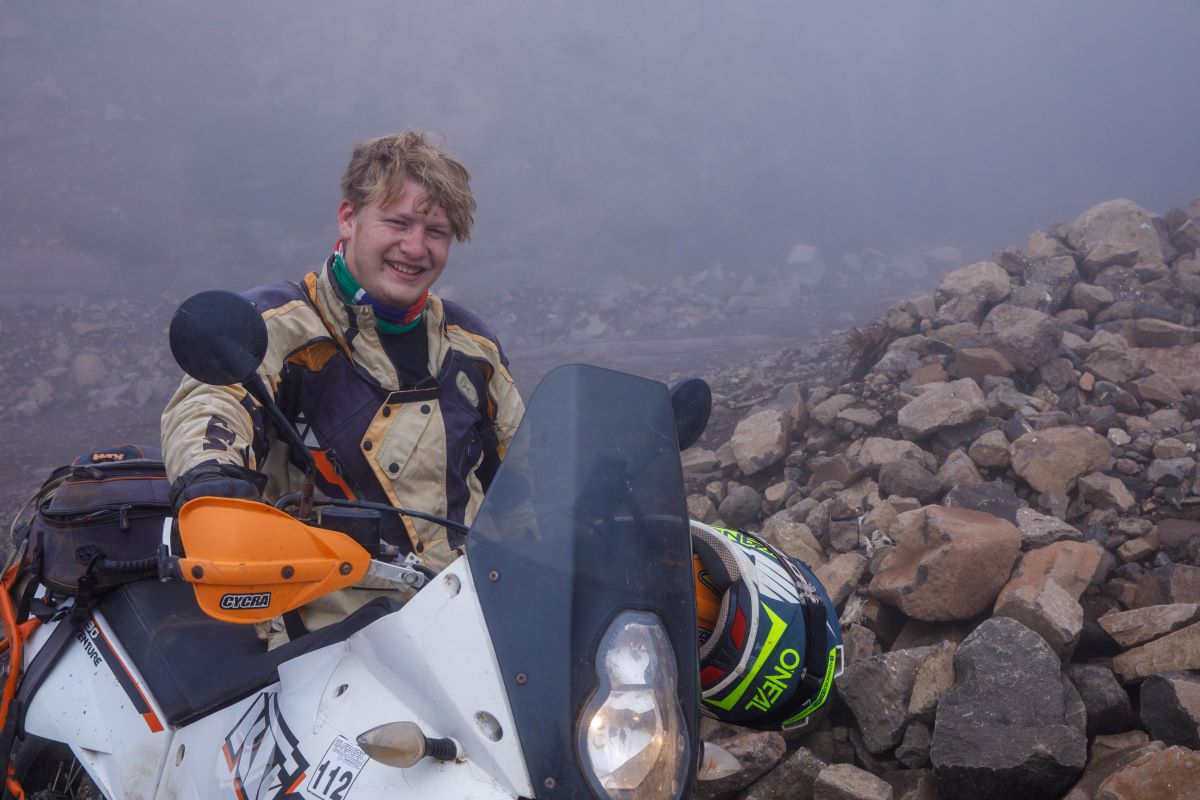
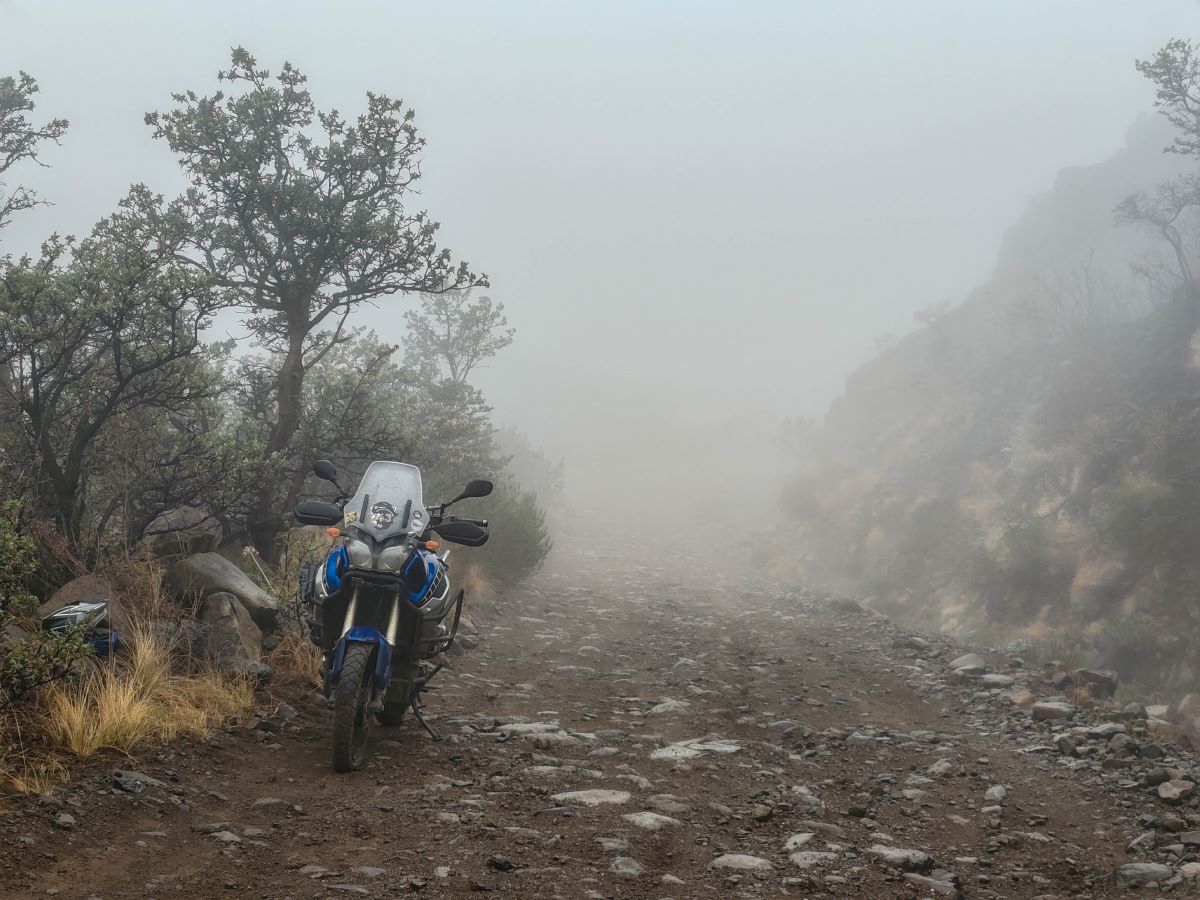
As we descended from the border post, we realised we were in trouble. Although the border post was basking in sunshine, the pass was covered in a blanket of fog. When I say fog, I mean FOG. We measured the visibility. I walked away from the bikes and 12 metres further, I disappeared in the fog. This is not a problem if you are walking down the pass, but on bikes, it becomes tricky. The rule is to look up and open up, even if you go downhill, but that was not going to help much with almost no visibility.
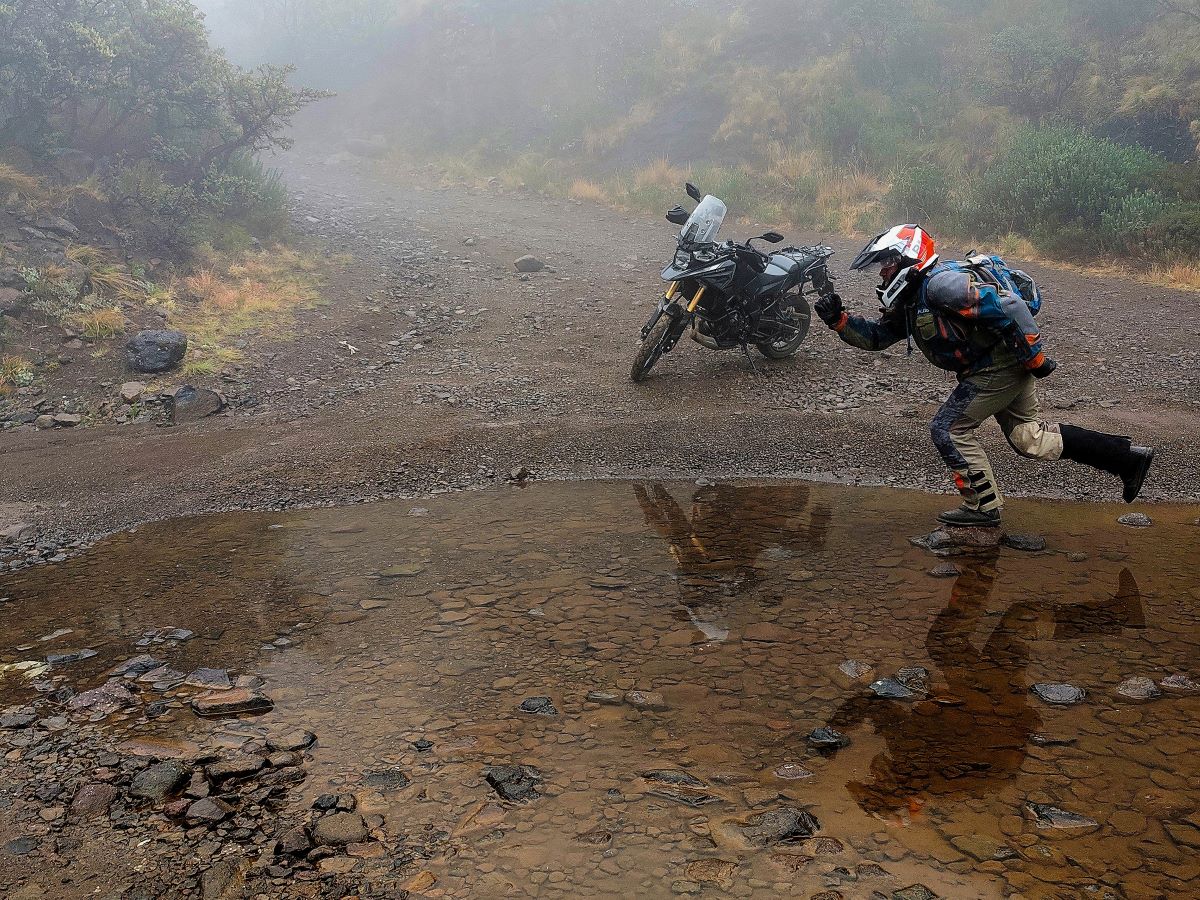
We pointed our front wheels into the abyss. With a firm foot on the back brake and the right hand covering the front brake, I let loose. Slowly and surely I made my way down. Half of the time I was on my own ride, unable to see the other bikes. When the road opened up a bit in corners, we waited for each other before attempting the next stretch. I also realised that the pass was not only misty, but also in very bad condition; maybe the worst I have ever seen.
Pea soup down Sani Pass.
It was a relief when the South African border post appeared through the mist. One by one we arrived, tired, a bit rattled, but happy to have made it. There was even a feeling of achievement. It took us an hour to ride down the pass. We did well.
We waited for about an hour hoping the mist would lift. It didn’t. We had no choice but to start our climb up, again with little or no visibility.
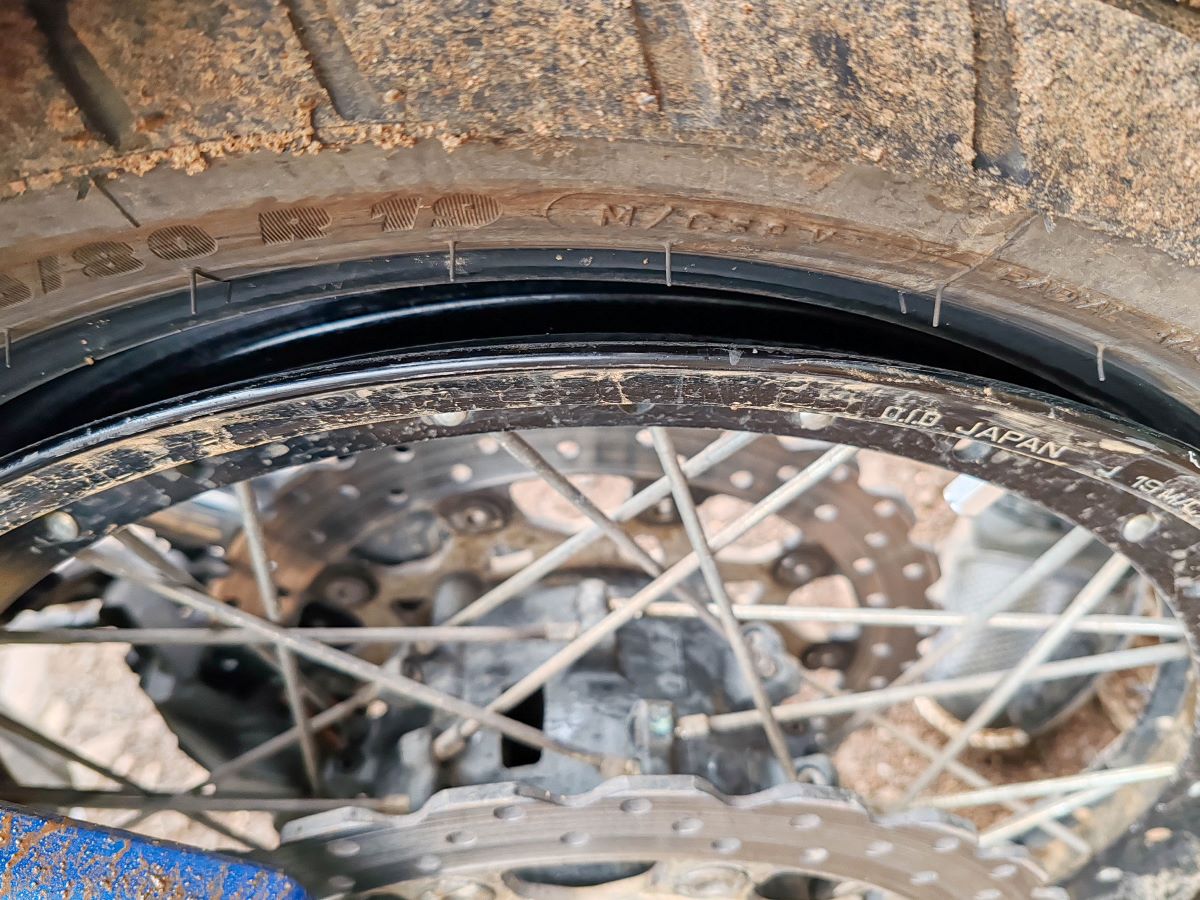
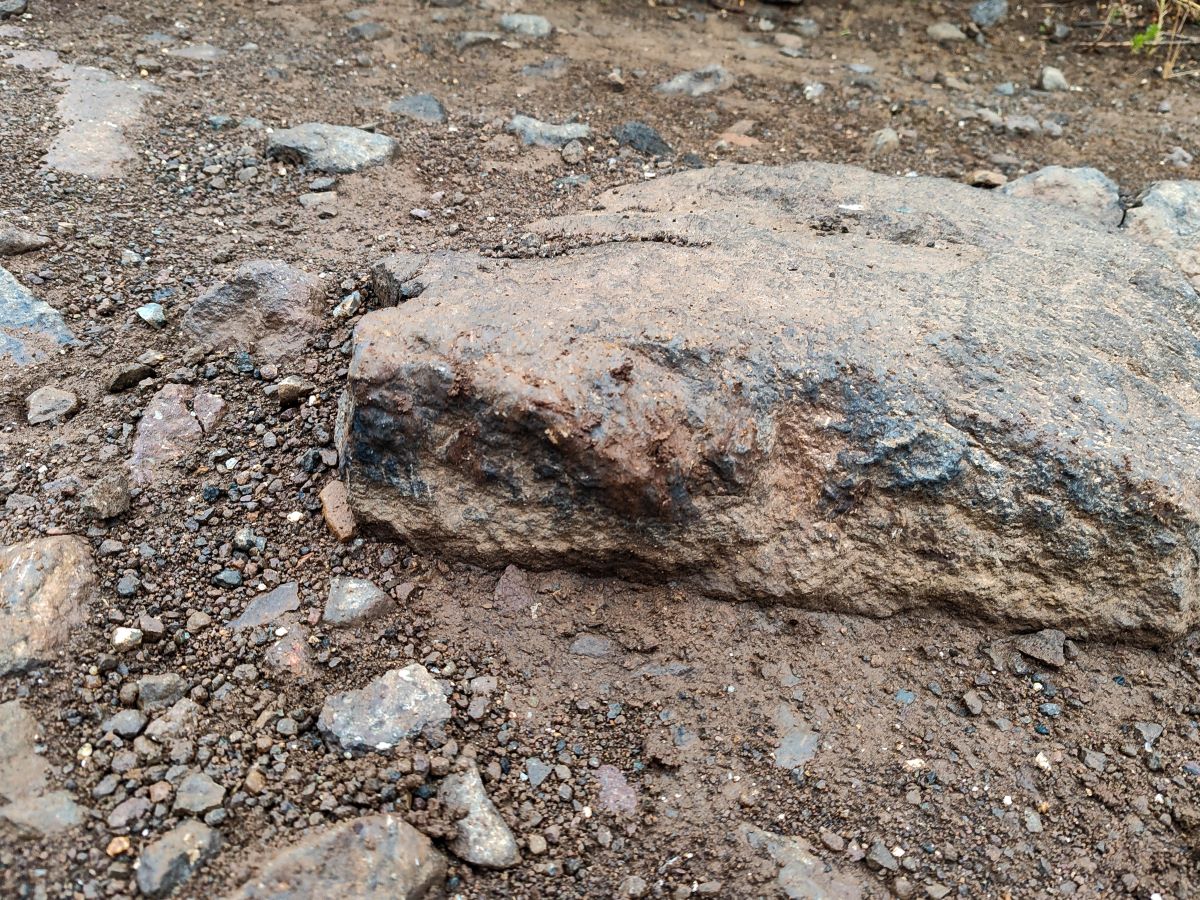
My strategy was simple. Look up, open up and go. It worked like a charm until it stopped working. Out of the blue, my front wheel lost traction and I had to brake hard on the back brake to stop the bike from rolling down the hill. After inspecting what went wrong, I discovered a rock had pushed the tyre off the rim. There was no air left in it. The small electric pump we had available, was not able to inflate the tyre to a pressure where it sealed properly. The only option was for me to wait at the bike while the others rode to the top and get help.
Waiting is not one of my best traits and it turned out to be three hours. The rest of the group, now safely at the top, managed to convince the Yamaha dealer in Himeville, the first town you come across on the South African side of Sani Pass, to launch a rescue mission. They had the right equipment when they arrived and with the wheel pumped properly, I could attempt the ride up again.
I got lucky. The mist had lifted and I could enjoy the ride. Within half an hour I was at the top, but my fellow riders were nowhere to be seen. At the Sani Top Restaurant I connected to WiFi to see if the rest of the team left any messages. They did and their plan was the only sensible one. Jason had collected Maarten from St. James and they were making their way to the border post. Edward and Connor were on their way back to Sani Top. Since they did not know whether the tyre could be fixed they assumed that I would be casavacked to Himeville. If that was the case, Edward and Connor could help me get the bike fixed and accompany me on the ride home the next day.
The SA side is mostly tar.
With this information I started riding towards St. James on the road my buddies would have to take to get back to Sani Top. Ten minutes later I saw them approaching from the front. After a short discussion we decided to head back to Mokhotlong to fill up and then make our way to the border post.
It was slow going. The wind was howling and evening set in. Twenty kilometres from Afriski we realised that we would not make it to the border. We were tired, cold and miserable. We checked into Afriski for a decent meal and much needed rest.
At the lodge we could also make contact with the rest of the team. They had made it safely to the border and decided to sleep over in Fouriesburg. We agreed to stay split as a group and allow Maarten and Jason to make their way home on their own. We would do the same, but only a couple of hours behind them.
Surely this was now the end of our adventurous misfortunes. Nope. Lady luck had one more card to play. About 80 km outside Johannesburg the Honda had a sudden loss of pressure on the front wheel. Like a champion Edward brought it to a stop. We inspected it. The valve had come loose from the tyre. Like many adventure bikes the Honda has a tube tyre in the front and tubeless at the back.
There was no way of fixing it and Edward dispatched one of his drivers from just South of Pretoria with a vehicle and bike trailer to rescue us.
I waited with them for an hour and then made my way home to Johannesburg before it got too dark. Two hours later Edward and Connor were on their way home with the two bikes on a trailer.
What can possibly go wrong? Well, apparently a lot. Does it matter? No. They don’t call it adventure biking for nothing. We rode a total of 1561 km. We reconnected as friends. We achieved our aim to ride the Sani Pass down and up and we managed the troubles as they came. With a positive mindset and a little bit of ingenuity you can overcome any challenge and have memories to share for years to come. And since we did not make it to the Katse Dam, there’s already a reason to ride again. Who’s joining?
The Bike
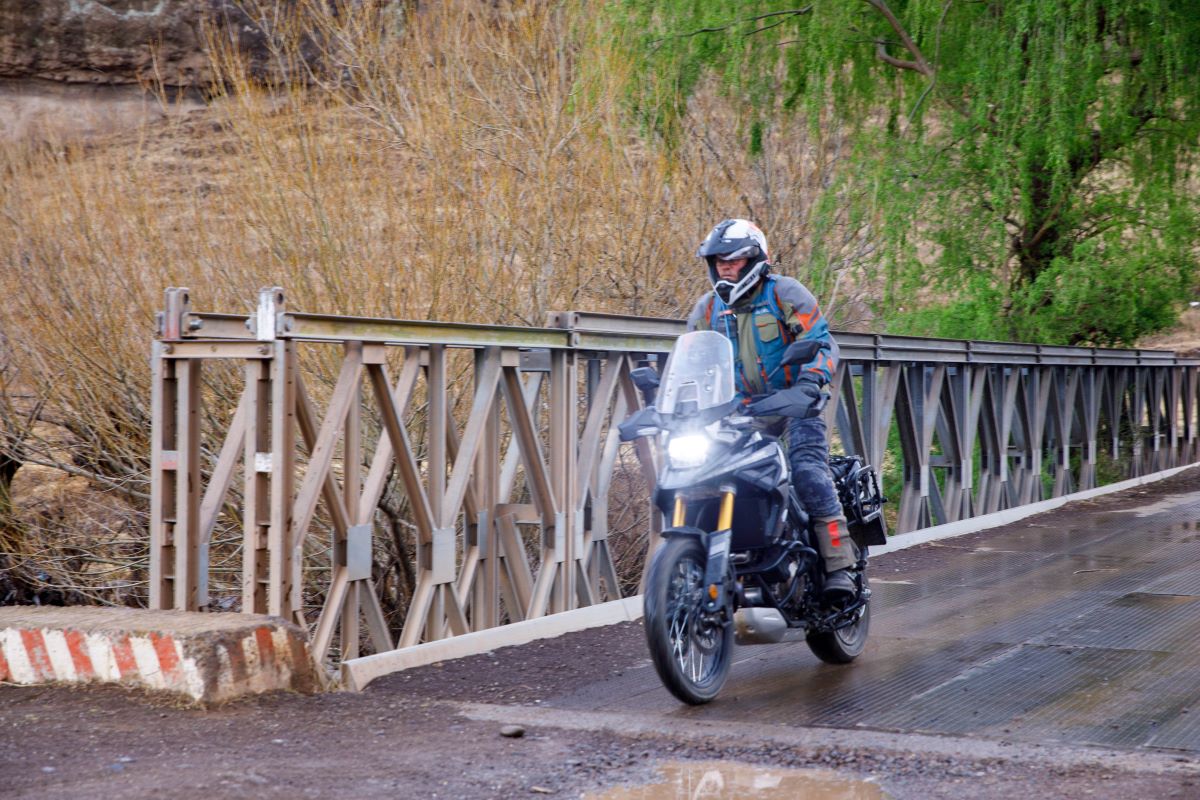
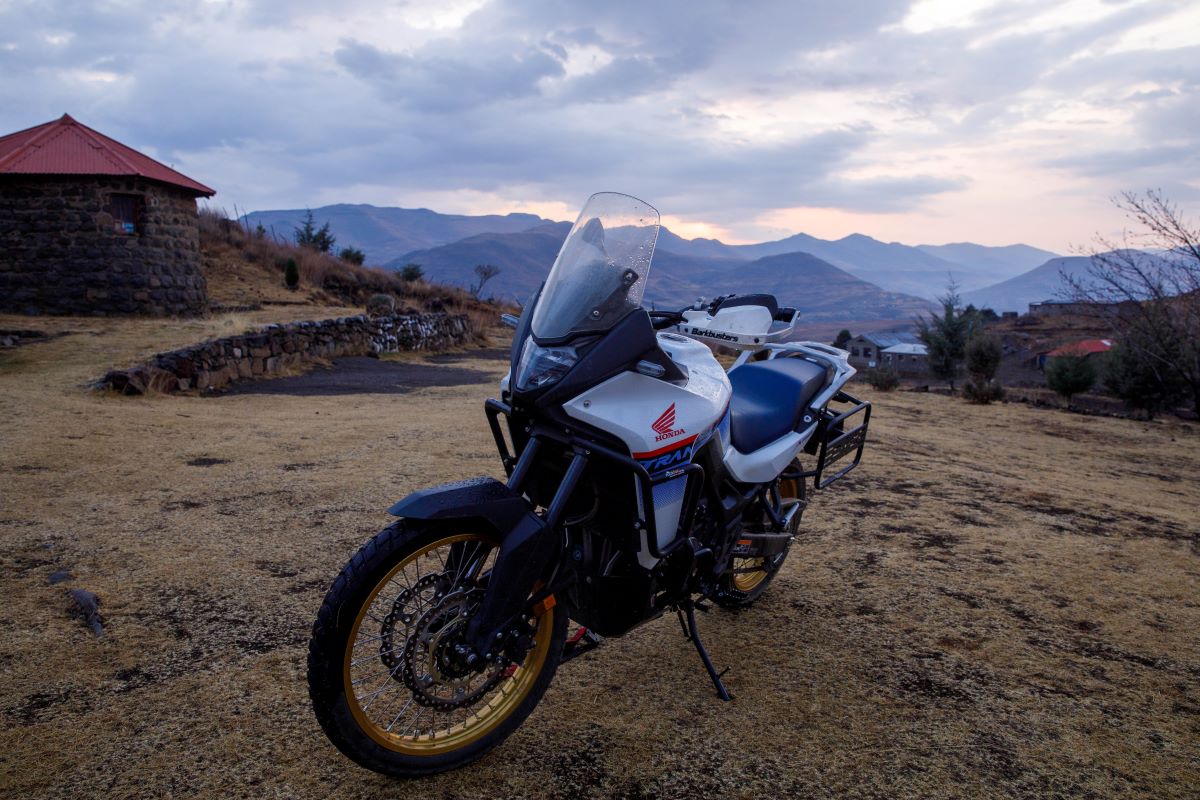
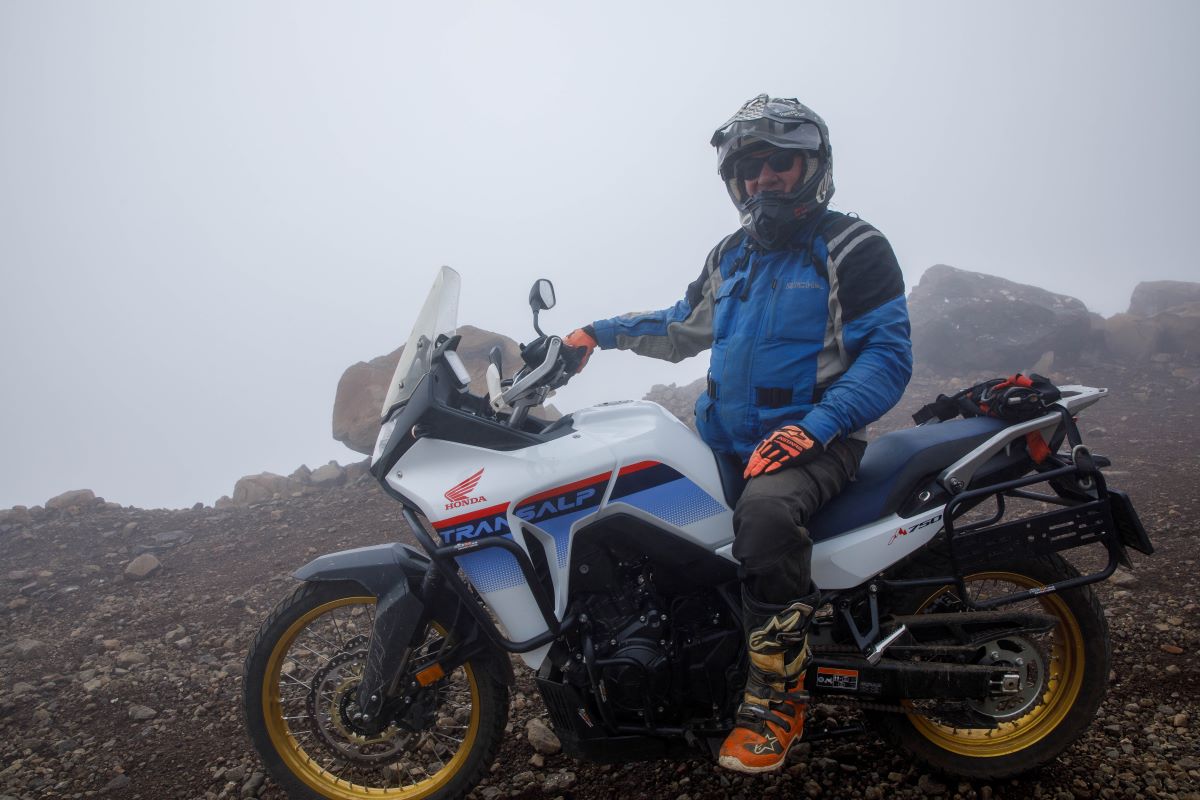
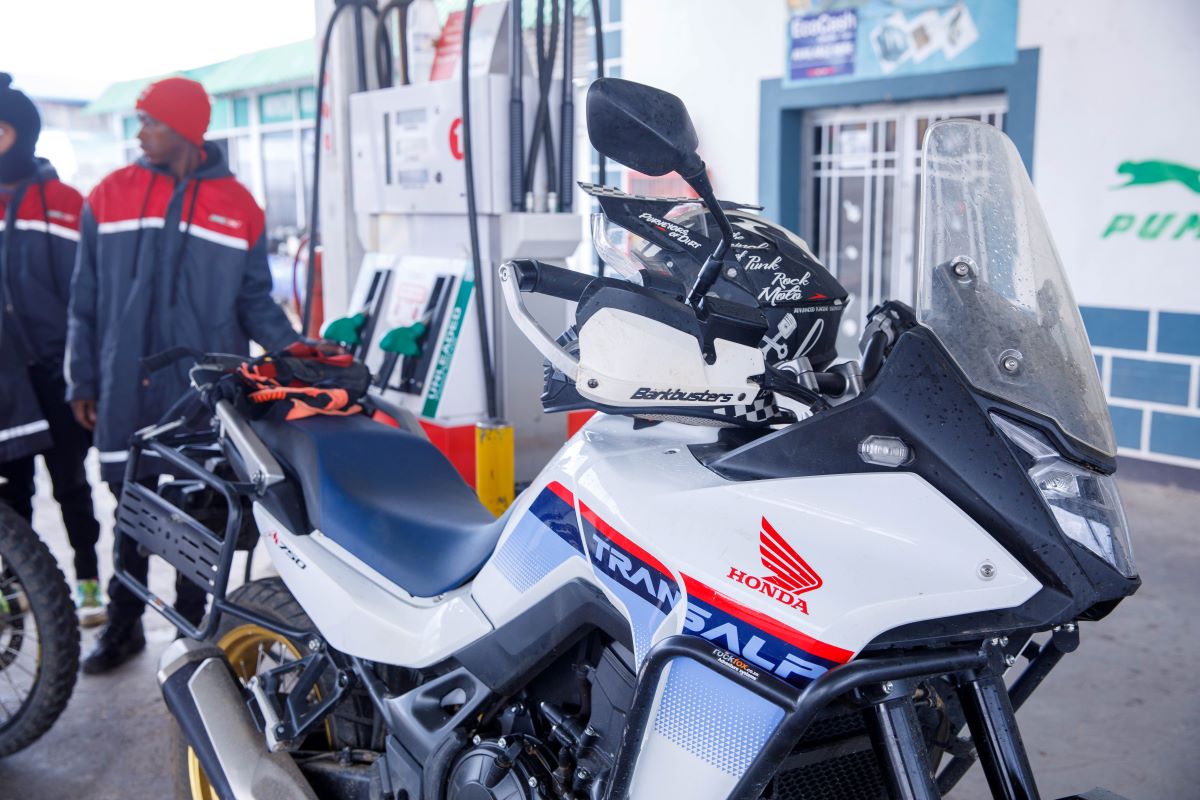
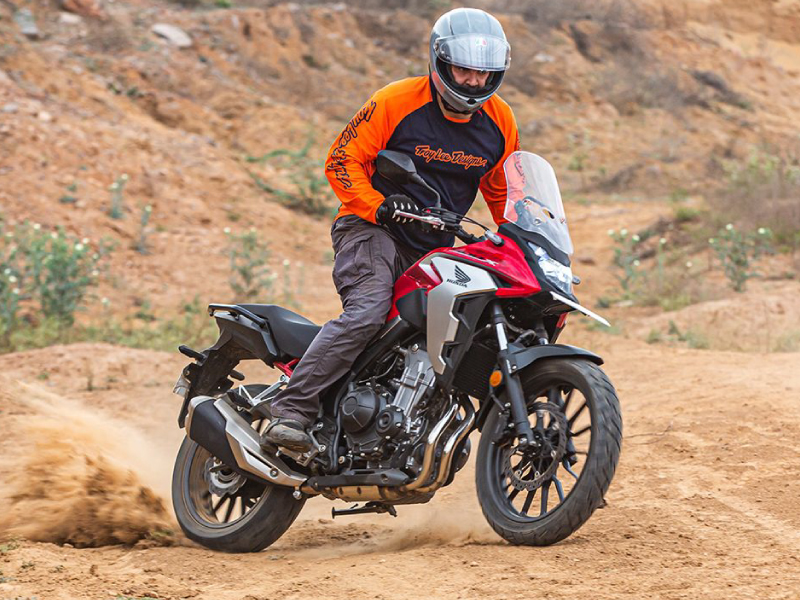
We like to take a bike we have not ridden before on our trips. For this trip it was a Honda Transalp. Thank you Honda South Africa for trusting us enough to make it possible. We don’t do a road test, but rather try to ride the bike in a real-life situation and see how it performs. Yes, we put this bike through all the trials and tribulations of our trip.
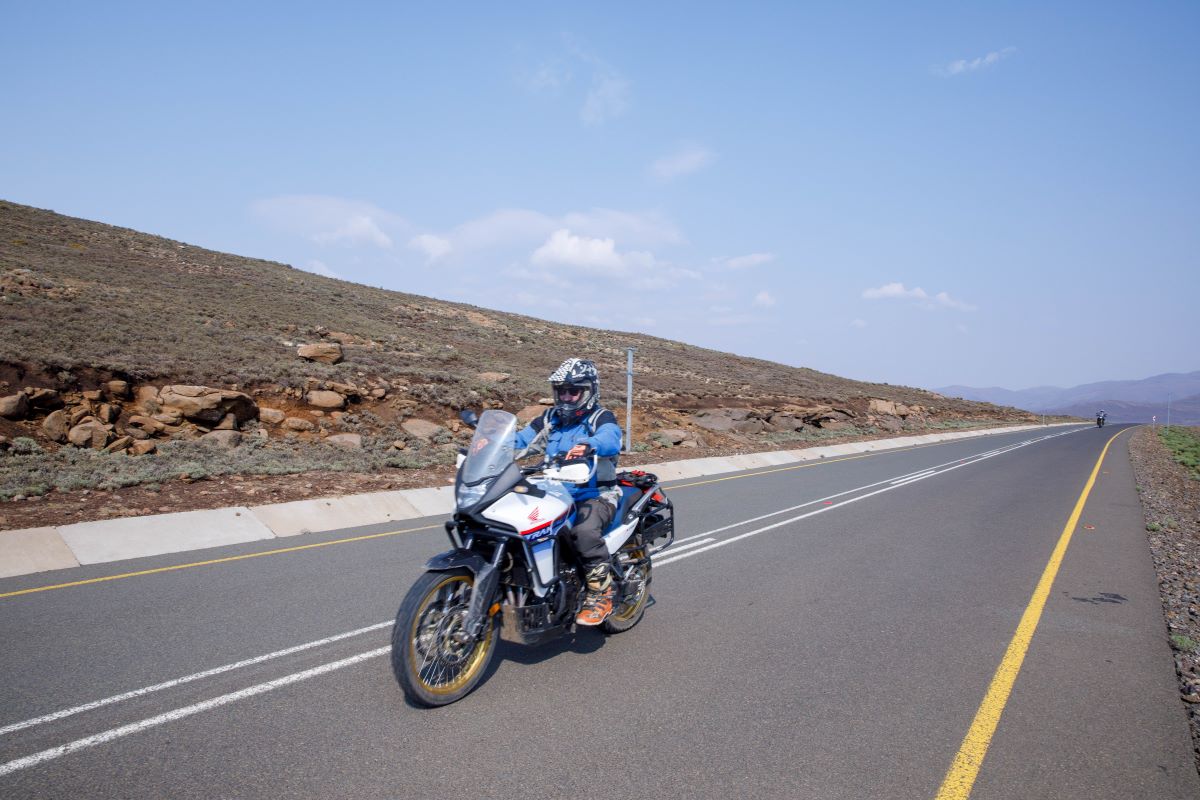
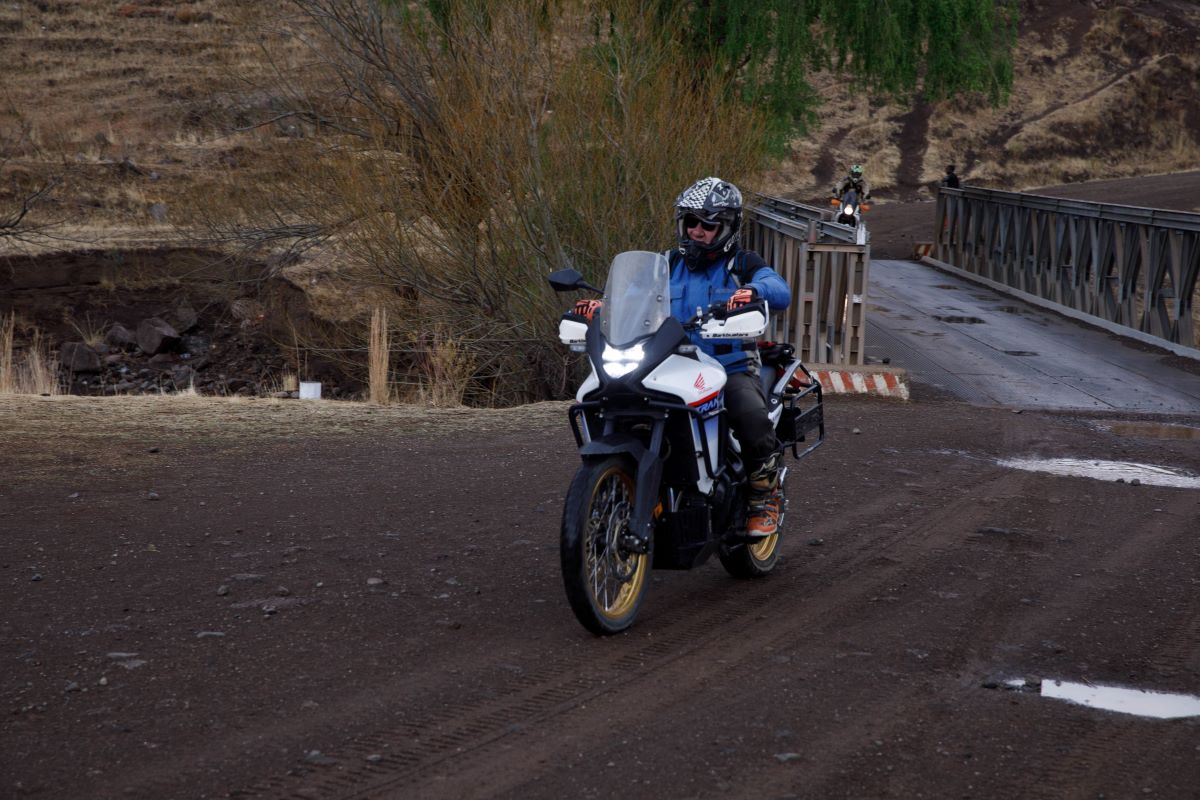
The first thing to understand, is that it’s not an offroad bike, but rather a bike that can do most of what the typical adventure rider will need. At first glance you might be fooled into thinking that it’s a “soft roader”, but you will be mistaken. This bike was a pleasure to ride on tar, had no issues on dirt highways and it gobbled up the more technical bits of the trip. It’s just good at everything. Even up and down Sani Pass it performed as if it was designed for it.
The bike is balanced, nippy, has a fair amount of grunt and in spite of its ground clearance, never bottomed out. We are not enduro champions, rather weekend warriors, and we were surprised by its agility. It was also the most frugal of the bikes on the trip. It does not use petrol, it only sniffs it.
We had one gripe, but this might be due to our technical disadvantage given our ages; we could not switch off the traction control. We could set it to “almost off”, but not off completely. In some of the more rocky uphills we felt that the job could have been done better by the right hand on the throttle rather than the computer. We could be completely wrong.
For the average adventure rider that has to use the bike to ride to work and back and on adventure trips, we strongly suggest you test drive this bike before you make a final decision. Bigger is not always better.