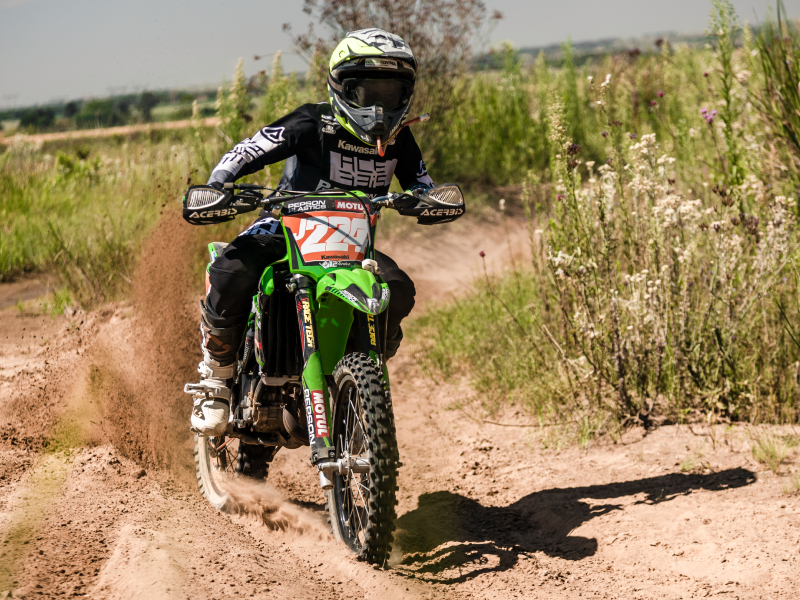
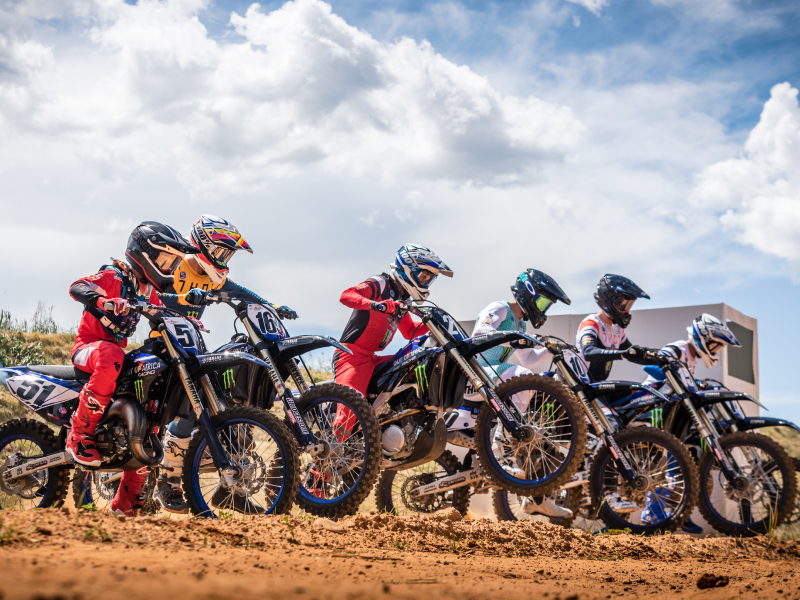
As mentioned in Part 1 of this series, Pro Motocrosser Anthony Raynard has noticed that traumatic tooth and jaw injuries are pretty much forgotten about in the world of motorcycling – until it is too late. Using protective equipment like helmets, boots, neck braces, a proper riding kit, knee support and elbow guards are pretty much a given, especially if you are a racer. Very few people, if any, give any consideration to the protection of teeth and jaws, and even your tongue – honestly now – Who of you have ever thought about it? We haven’t, until Anthony approached us to do this article, and most of us are sporting grins with chipped or damaged teeth from face planting off bikes. We have been fairly fortunate thus far, – one of our mates, a regular test rider, had a broken tooth which got infected and required a couple of surgeries to correct the issue. His biggest problem was that he couldn’t ride for a few weeks…. Man oh man was he not happy about that.
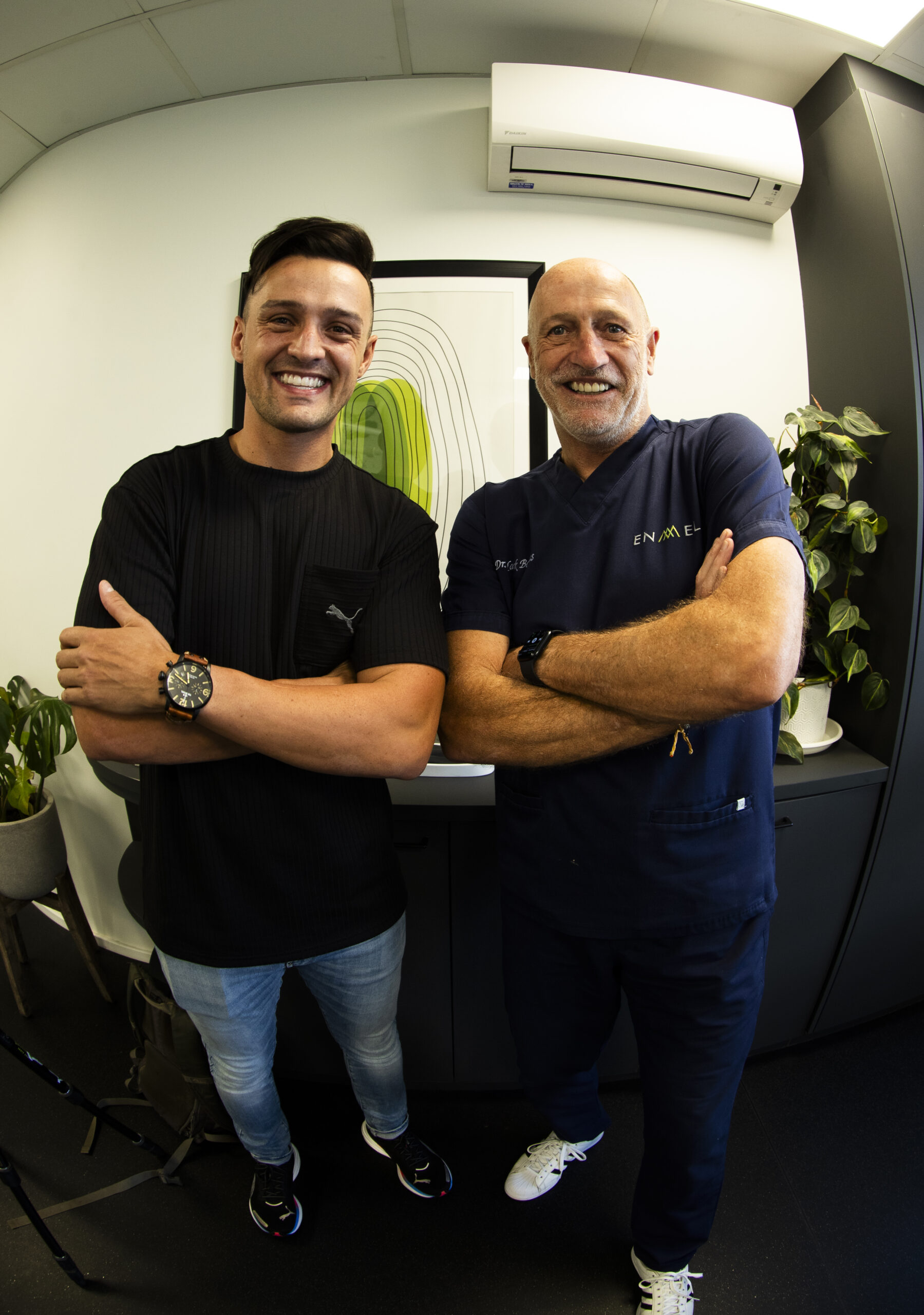
Anthony Raynard (@antraynard23 on Instagram) and
Dr Mark Bowes (@dr_markbowescpt on Instagram)
For part 2, Anthony has sent us along this questionnaire relating to his journey completed by *Dr. Mark Bowes*, this is important stuff and helps with understanding the process and really gets you thinking:
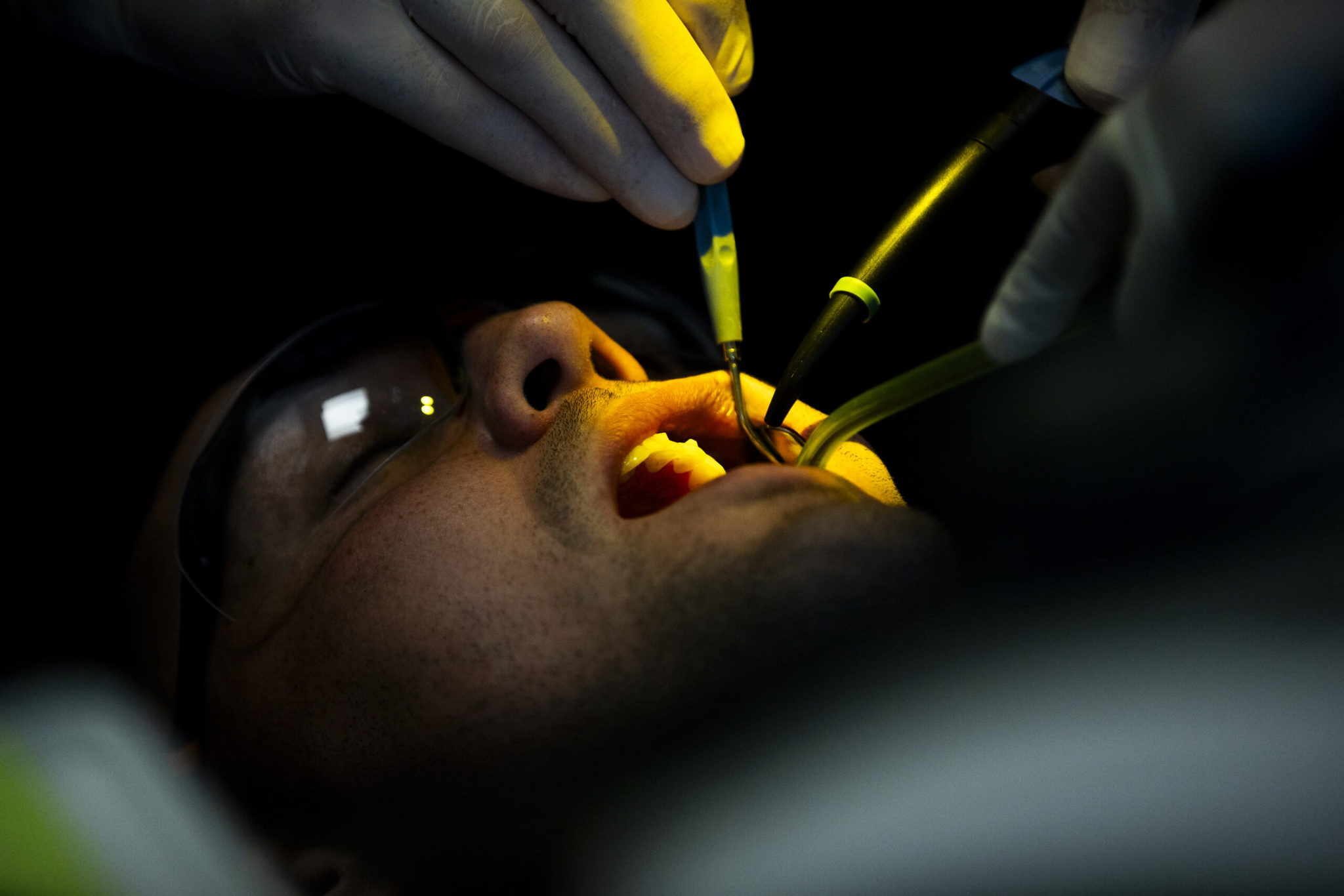
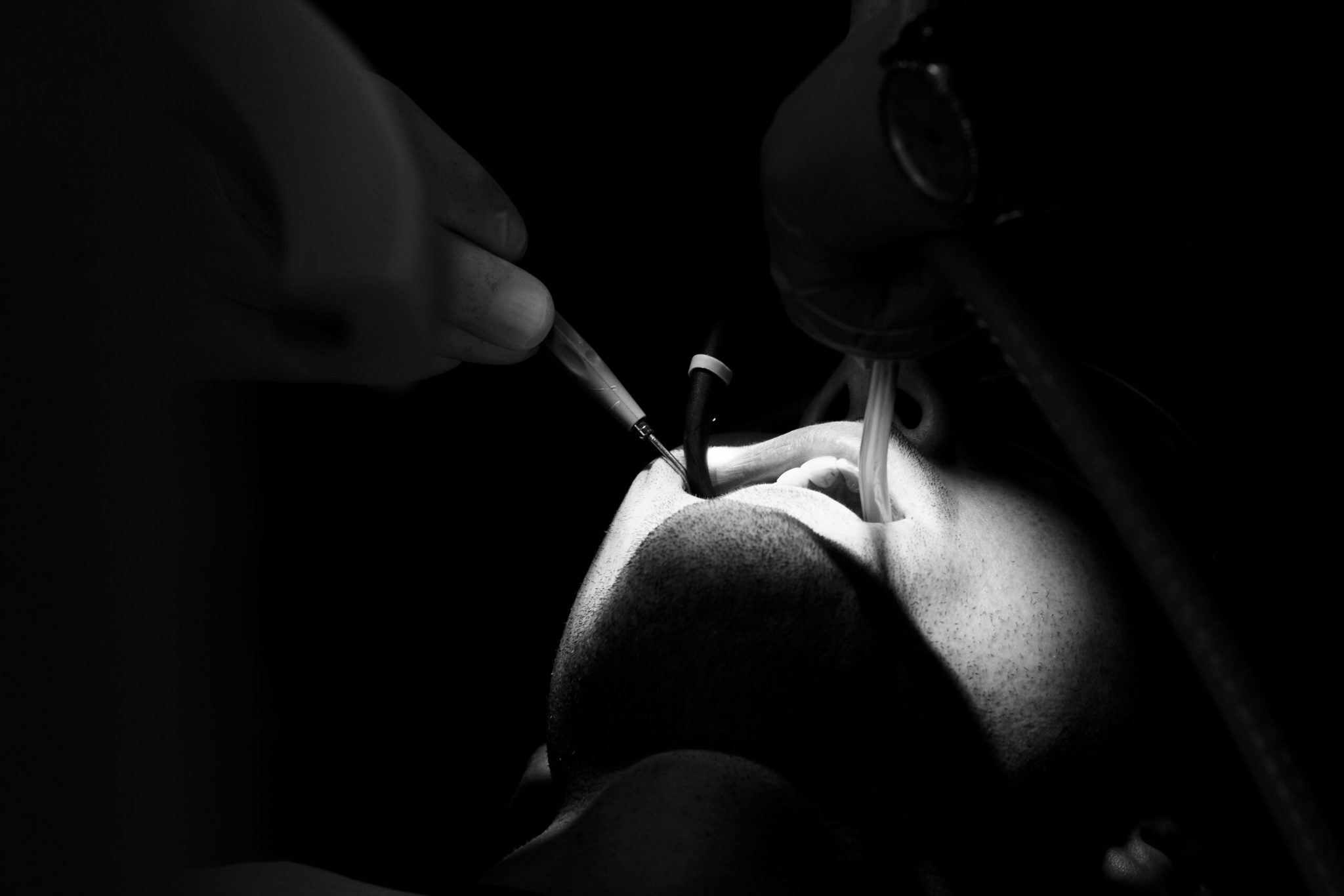
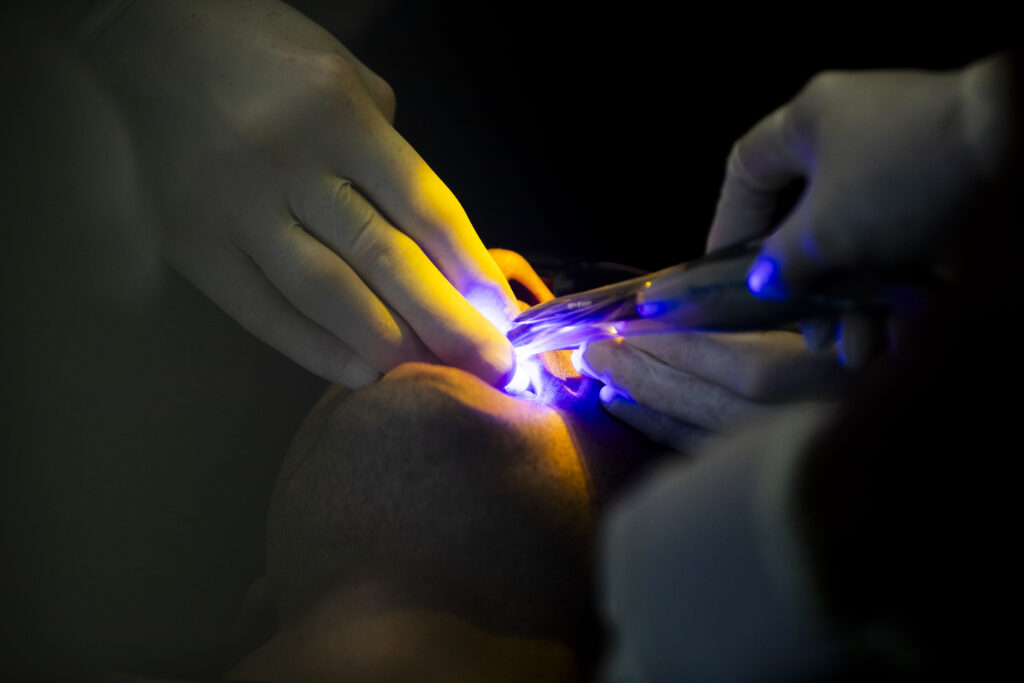
What is the processwe are going to go through on this journey with Anthony? – we are aligning Anthony’s teeth to correct the teeth positioning as well as the bite. Once this has been achieved, we will conclude the treatment with aesthetic bonding, to restore the aesthetics of Anthony’s smile
What is the differencebetween aligners and traditional orthodontics? – Aligners are clear trays that are worn throughout the day and night in order to move the teeth into the ideal position, in order to correct the patient’s teeth and bite. They are removed only to eat or brush and floss. Although traditional orthodontics, or wire braces, have the same function, they consist of metal brackets and wires being fixed to the teeth for the duration of the orthodontic treatment. Aligners are not fixed devices, and so can be removed when eating or drinking hot beverages, and cleaning the teeth.
Benefits to aligners? – Aligners are less visible than traditional braces, more convenient, and much less invasive and disruptive to one’s daily routine. They are easy to wear and maintaining your oral hygiene is not troublesome at all, which is not the case with the patient having to navigate their way around the fixed brackets and wires that come with fixed orthodontics. Fixed orthodontics are also more likely to break if proper care is not taken when eating or through certain daily activities, which require a visit to the orthodontist for repairs.So, patients are more open to proceeding with this type of orthodontic treatment, which is also a vital part of treatment prior to the restoration phase. (D&T: The other advantage we can see is the fact that face planting with a mouth full of wire can would be significantly more painful than a easily removable polymer device with nice soft and smooth rounded corners)
What are the finishing touchesto a perfect smile? Composite bonding? – Composite bonding is the process of adding composite without drilling the teeth. Whether it’s the most ideal restorative option really depends on the health of the patient’s teeth. If the patient’s teeth have not been structurally compromised with previous dental work, we would proceed with composite bonding. If the teeth have had quite a bit of dental work and have been compromised, we will look into ceramic restorations, such as veneers or full coverage crowns
Due to my time as a pro motocross rider, can you explain what you as a professional and leader in the dental field can tell what has happened to my teeth due to crashes etc – The most visible damage to your teeth was the chipping of the tooth structure, due to your not wearing protective gear, like a mouth guard, during racing.
Due to the nature of extreme sports like mountain biking/skateboarding and motocross as examples, what do you feel could prevent this from happening to me in the future or worse, and to other extreme sports competitors? – Racing of course takes you through relatively rough terrain. Moving over bumpy roads, at high speeds, will cause your upper and lower teeth to knock against each other. In the absence of a mouth guard to act as a barrier, this would cause a considerable amount of chipping and damage. This applies to any activity that would place your mouth, and everything included, at risk of damage. So, to all the extreme sportspeople who are looking to protect their teeth and jaw, I’d say wear a mouth guard. It’s the best form of protection.
While I wear a full helmet, I have still had damage done to my teeth. What can I do or wear in the future to prevent the safety of my teeth and to educate others to do the same? Are there any particular guards you would recommend? – Don’t underestimate the power of a mouth guard. They do wonders to protect your teeth and jaw.
So, what we are understanding here is the fact that even though Anthony wore all the high end protective gear he still managed to damage his teeth to the point where he did have to have quite costly remedial work done. Possibly, had he been wearing a proper mouth/tooth guard, most of these injuries and subsequent remediation could have been avoided.
Keep an eye out for part 3, this is where it really gets interesting, particularly how it affects your performance on your bike and in competitive riding.